ADVERTISEMENT

Hyundai Trucks and Buses unveils electric truck and bus, Pinoy-made HARI Cab

Future-forward transport at EV-olution Expo

Published May 6, 2025 11:53 am

At A Glance

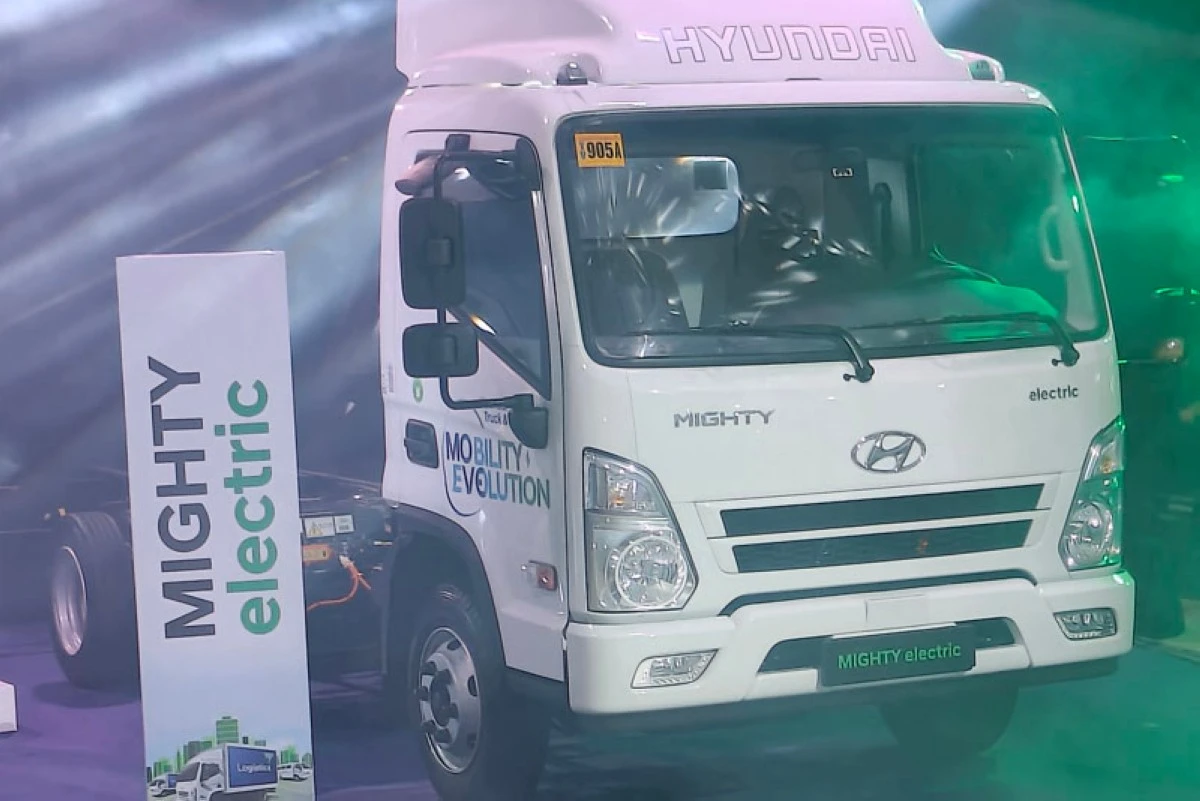
  • Hyundai Trucks and Buses is ensuring a sustainable future even for the commercial vehicle sector with its initial lineup of electric commercial vehicles (ECV): the Hyundai Mighty Electric, and Hyundai Country Electric.
 

Hyundai Trucks and Buses is ensuring a sustainable future even for the commercial vehicle sector. Hariphil Asia Resources, Inc. (HARI), distributor of Hyundai Trucks and Buses, showcased its latest sustainable mobility solutions at the Hyundai Truck and Bus Mobility EV-olution Expo, held May 2, 2025 at the Filinvest Tent, Alabang.

The event highlighted the company’s innovative transport solutions geared to move the country toward a future-ready and resilient transportation system.

Innovative vehicles

A key highlight was the launch of HARI’s initial lineup of electric commercial vehicles (ECV): the Hyundai Mighty Electric, and Hyundai Country Electric.
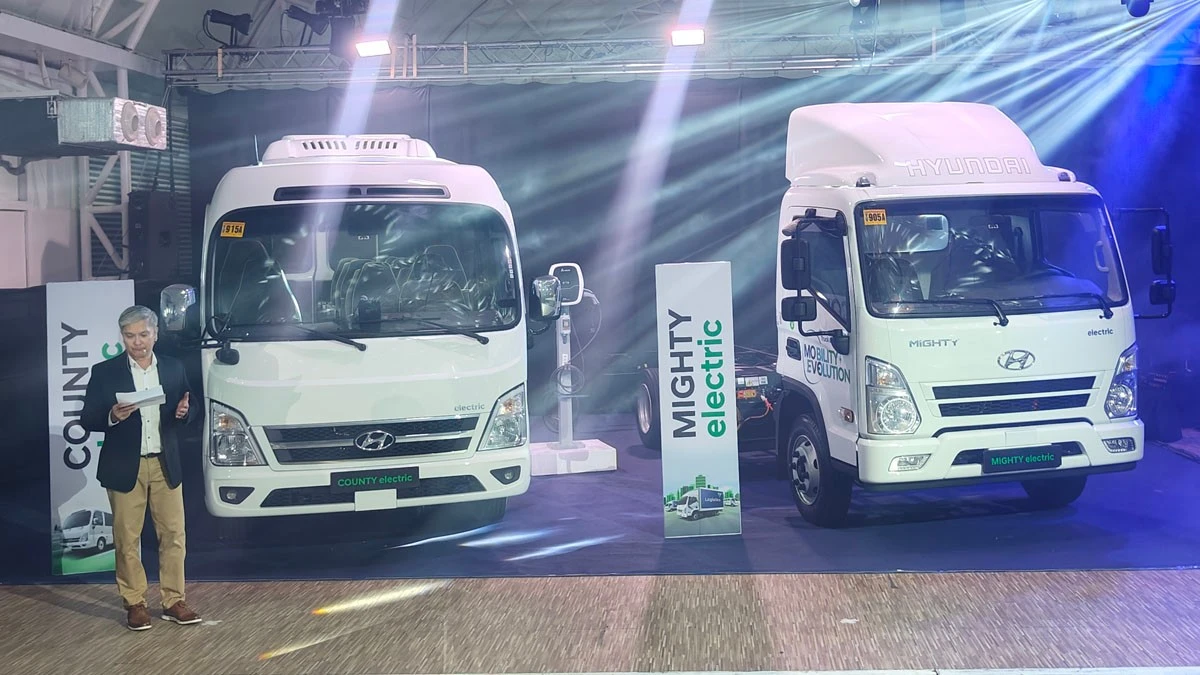
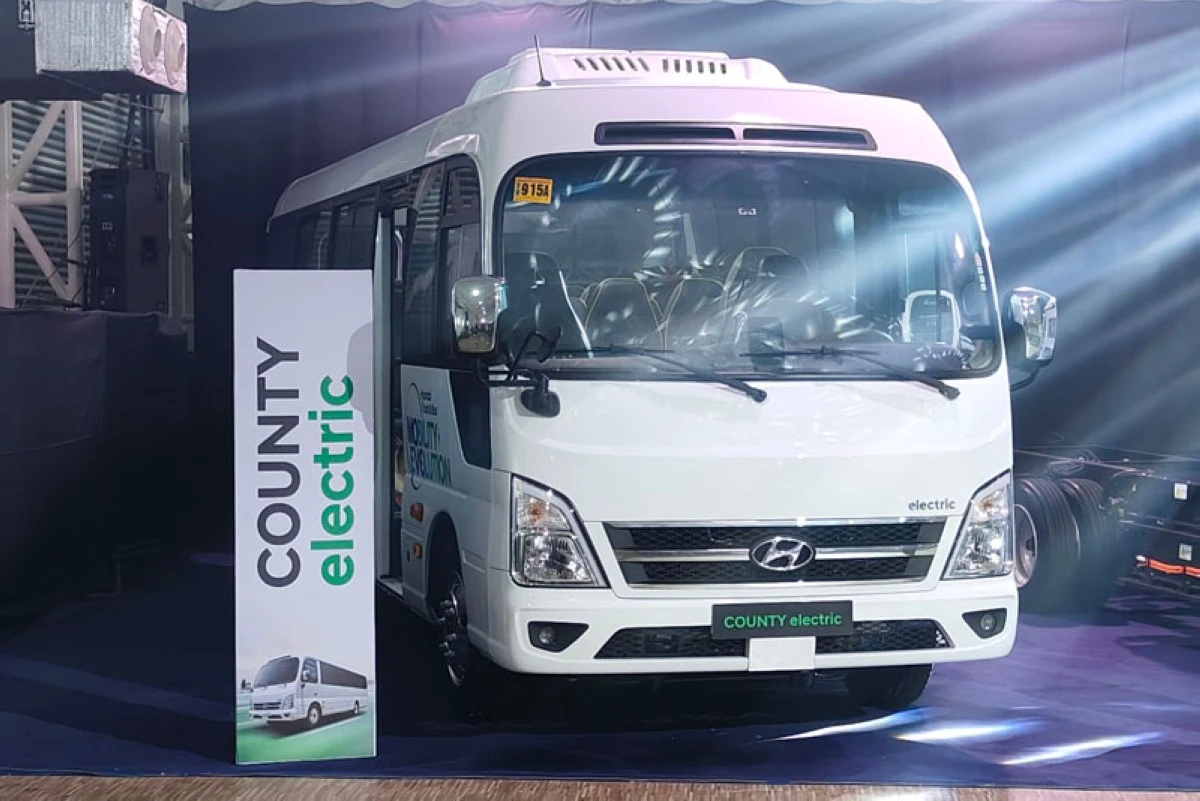
 
 
The Mighty Electric is a light-duty electric truck powered by a 120-kW permanent magnet synchronous motor, producing 163-Ps and 32.6-kg-m of torque. With a 114.5-kWh lithium-ion battery, the Mighty EV offers an all-electric range of 260-km. Charging is fast with a 100-kW DC charger providing a full charge in just 71 minutes. Being a versatile electric cab, the Mighty Electric offers businesses multiple applications; and dealerships can coordinate with HARI’s partner builder, Centro Manufacturing Corporation, to customize the Mighty Electric to their specific business requirements. 
 
 
The County Electric, on the other hand, is an efficient and zero-emissions people movers with its 150-kW (204-Ps) motor, delivering 40.3-kg-m of torque and a range of 303-kilometers per full charge. Equipped with a 128-kWh lithium-ion battery and rapid 72-minute charging time, the County Electric can transport a large group of people quietly and comfortably.
 
 
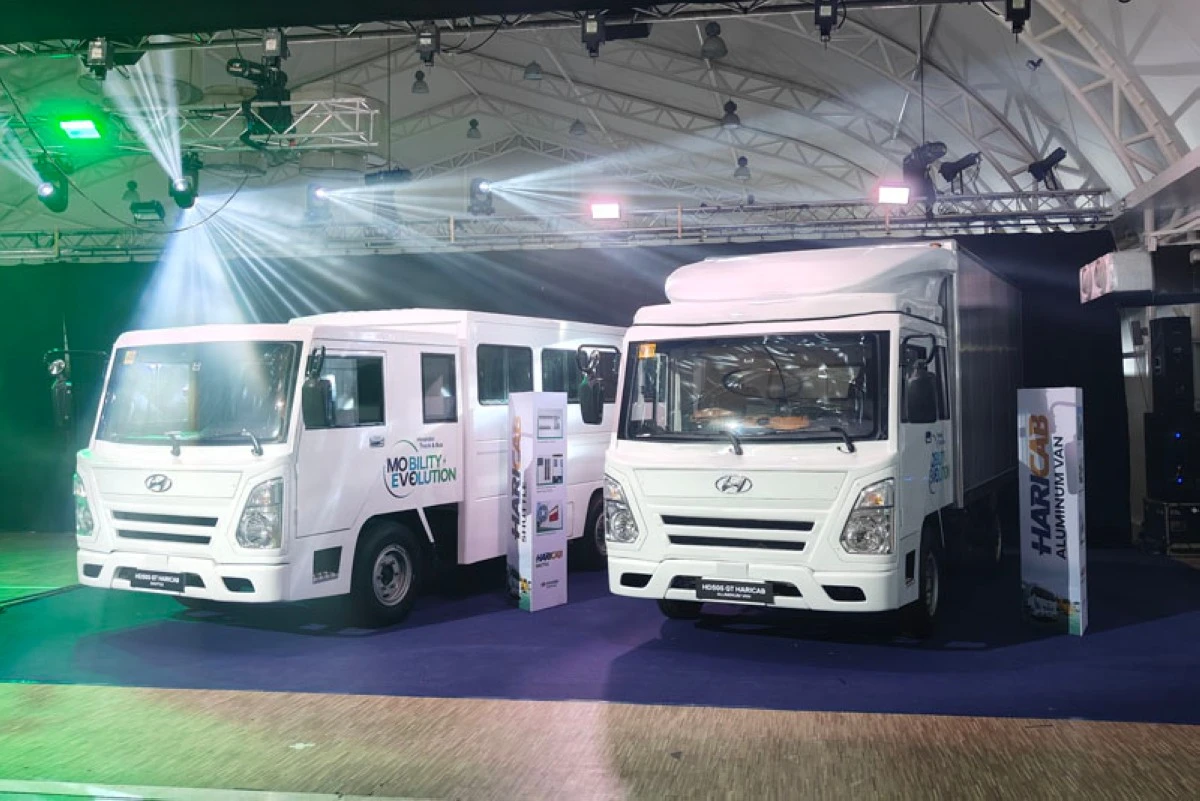
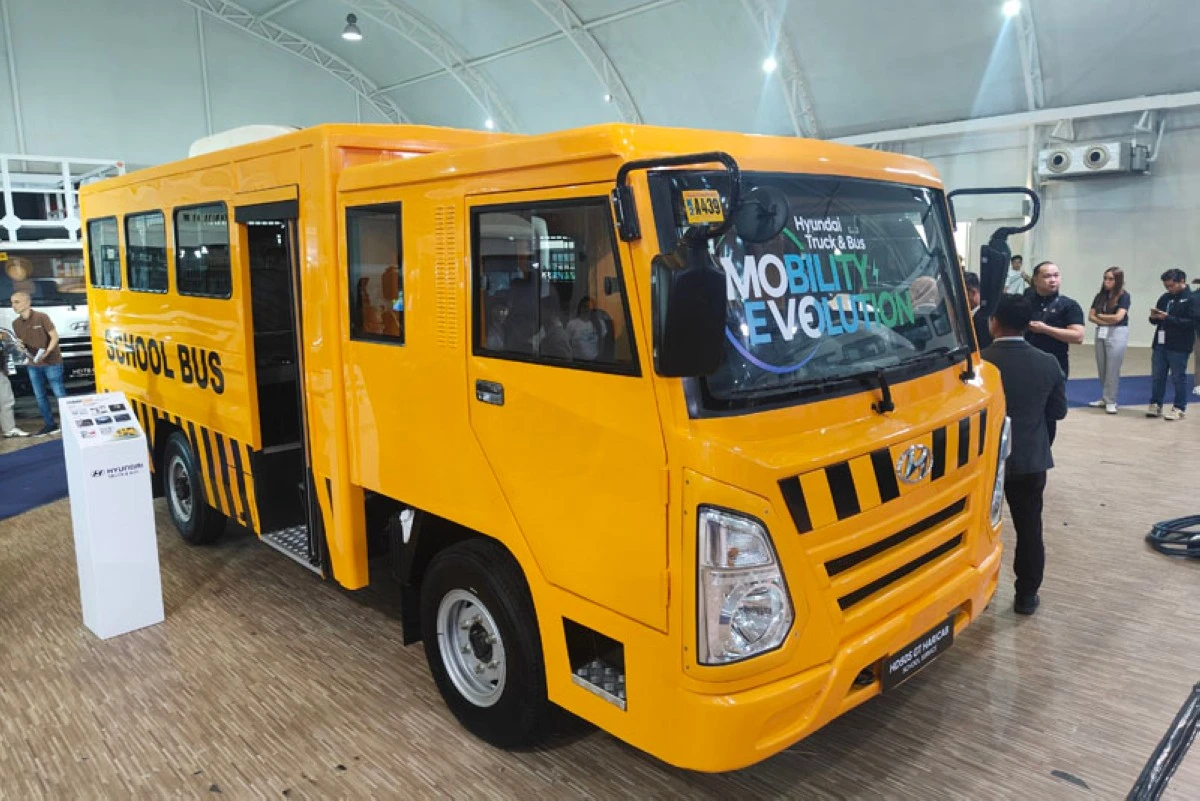
Yet another innovative vehicle unveiled was the HARI Cab, a locally assembled Internal Combustion Engine (ICE) workhorse tailored for Filipino communities. Powered by a Euro 4 D4CC diesel engine, it offers 160-Ps at 3,000 rpm and a maximum torque of 40-kg-m at 1,250-2,800 rpm. 


With a 2,891-cc displacement and a 100-liter fuel tank, the vehicle delivers best-in-class performance while supporting local jobs and transport efficiency for both urban and rural areas. Best of all, the HARI Cab is also affordable, starting at P1,787,000 for the Cab Chassis configuration.

A partner in every way
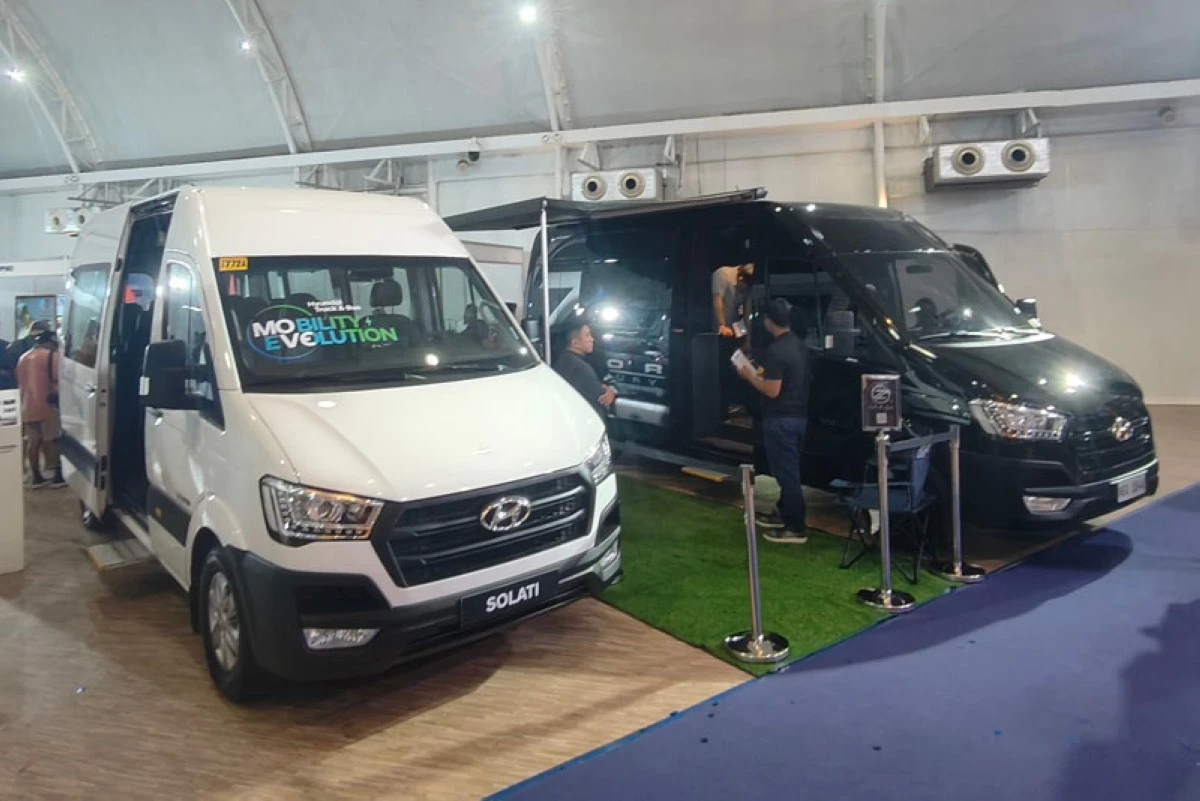
 
 
The Hyundai Truck and Bus Mobility EV-olution Expo was held on the month of the nation’s celebration of the Filipino worker and anchored on its vision to be a “Partner in Every Way.” With HARI’s solutions, it hopes to go beyond vehicles, opening to participants future-forward options to succeed in business today. 
 
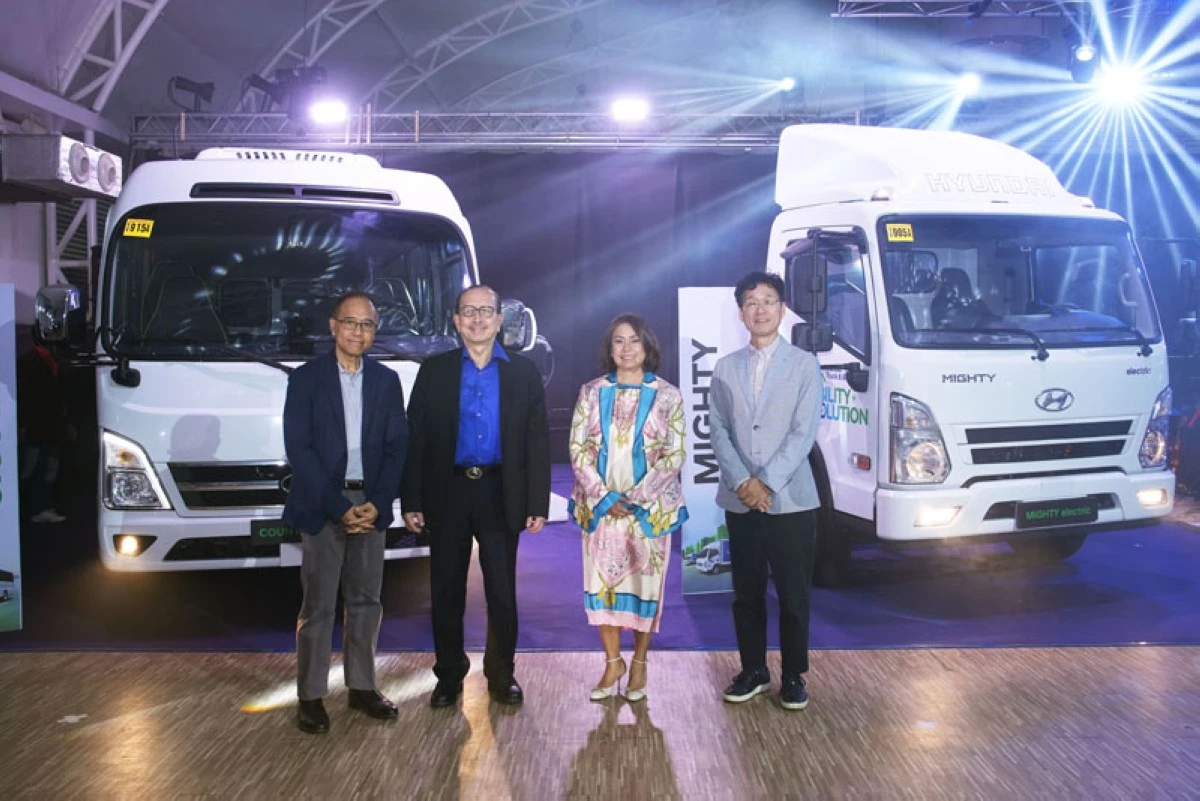
From left: HARI Director, Treasurer, and CFO Ladislao Z. Avila; HARI Chairman, Richard Lee; HARI Vice Chairman, President, and CEO Ms. Maria Fe Perez-Agudo, and an esteemed guest from Hyundai Motor Company Korea.
 

“We are here not just to see what’s new, but to shape what comes next, harnessing our drive, ingenuity, and ambition to push the boundaries of mobility and business,” said HARI Vice Chairman, President, and CEO Ms. Maria Fe Perez-Agudo.

The Mobility Expo also introduced HARI’s Byahenyo Program, envisioned to be a movement for empowering local entrepreneurs through world-class vehicles and the promotion of best practices that will raise standards in doing business in the Philippines. At its heart, the Byahenyo is not just the hero behind the wheel — but the driving force behind the business. By throwing the spotlight on entrepreneurship and leadership, the Byahenyo Program speaks to those who move enterprises forward — fueling success and bridging smart mobility with smart entrepreneurship. 

“HARI is not just about smarter vehicles,” said Ms. Agudo. “It’s about the Byahenyo, or the human genius behind the business. We want to establish an ecosystem populated by forward thinking pioneers, early adopters, and visionaries capable of transforming challenges into opportunities, complexity into clarity, and mere transactions into lasting partnerships.”  

Through initiatives like these, HARI remains at the forefront of introducing transport solutions that power Filipino dreams, aligned with the government’s efforts to build a stronger, greener future for every Filipino.  

ADVERTISEMENT
.most-popular .layout-ratio{ padding-bottom: 79.13%; } @media (min-width: 768px) and (max-width: 1024px) { .widget-title { font-size: 15px !important; } }

{{ articles_filter_1561_widget.title }}

.most-popular .layout-ratio{ padding-bottom: 79.13%; } @media (min-width: 768px) and (max-width: 1024px) { .widget-title { font-size: 15px !important; } }

{{ articles_filter_1562_widget.title }}

.most-popular .layout-ratio{ padding-bottom: 79.13%; } @media (min-width: 768px) and (max-width: 1024px) { .widget-title { font-size: 15px !important; } }

{{ articles_filter_1563_widget.title }}

{{ articles_filter_1564_widget.title }}

.mb-article-details { position: relative; } .mb-article-details .article-body-preview, .mb-article-details .article-body-summary{ font-size: 17px; line-height: 30px; font-family: "Libre Caslon Text", serif; color: #000; } .mb-article-details .article-body-preview iframe , .mb-article-details .article-body-summary iframe{ width: 100%; margin: auto; } .read-more-background { background: linear-gradient(180deg, color(display-p3 1.000 1.000 1.000 / 0) 13.75%, color(display-p3 1.000 1.000 1.000 / 0.8) 30.79%, color(display-p3 1.000 1.000 1.000) 72.5%); position: absolute; height: 200px; width: 100%; bottom: 0; display: flex; justify-content: center; align-items: center; padding: 0; } .read-more-background a{ color: #000; } .read-more-btn { padding: 17px 45px; font-family: Inter; font-weight: 700; font-size: 18px; line-height: 16px; text-align: center; vertical-align: middle; border: 1px solid black; background-color: white; } .hidden { display: none; }
function initializeAllSwipers() { // Get all hidden inputs with cms_article_id document.querySelectorAll('[id^="cms_article_id_"]').forEach(function (input) { const cmsArticleId = input.value; const articleSelector = '#article-' + cmsArticleId + ' .body_images'; const swiperElement = document.querySelector(articleSelector); if (swiperElement && !swiperElement.classList.contains('swiper-initialized')) { new Swiper(articleSelector, { loop: true, pagination: false, navigation: { nextEl: '#article-' + cmsArticleId + ' .swiper-button-next', prevEl: '#article-' + cmsArticleId + ' .swiper-button-prev', }, }); } }); } setTimeout(initializeAllSwipers, 3000); const intersectionObserver = new IntersectionObserver( (entries) => { entries.forEach((entry) => { if (entry.isIntersecting) { const newUrl = entry.target.getAttribute("data-url"); if (newUrl) { history.pushState(null, null, newUrl); let article = entry.target; // Extract metadata const author = article.querySelector('.author-section').textContent.replace('By', '').trim(); const section = article.querySelector('.section-info ').textContent.replace(' ', ' '); const title = article.querySelector('.article-title h1').textContent; // Parse URL for Chartbeat path format const parsedUrl = new URL(newUrl, window.location.origin); const cleanUrl = parsedUrl.host + parsedUrl.pathname; // Update Chartbeat configuration if (typeof window._sf_async_config !== 'undefined') { window._sf_async_config.path = cleanUrl; window._sf_async_config.sections = section; window._sf_async_config.authors = author; } // Track virtual page view with Chartbeat if (typeof pSUPERFLY !== 'undefined' && typeof pSUPERFLY.virtualPage === 'function') { try { pSUPERFLY.virtualPage({ path: cleanUrl, title: title, sections: section, authors: author }); } catch (error) { console.error('ping error', error); } } // Optional: Update document title if (title && title !== document.title) { document.title = title; } } } }); }, { threshold: 0.1 } ); function showArticleBody(button) { const article = button.closest("article"); const summary = article.querySelector(".article-body-summary"); const body = article.querySelector(".article-body-preview"); const readMoreSection = article.querySelector(".read-more-background"); // Hide summary and read-more section summary.style.display = "none"; readMoreSection.style.display = "none"; // Show the full article body body.classList.remove("hidden"); } document.addEventListener("DOMContentLoaded", () => { let loadCount = 0; // Track how many times articles are loaded const offset = [1, 2, 3, 4, 5, 6, 7, 8, 9, 10]; // Offset values const currentUrl = window.location.pathname.substring(1); let isLoading = false; // Prevent multiple calls if (!currentUrl) { console.log("Current URL is invalid."); return; } const sentinel = document.getElementById("load-more-sentinel"); if (!sentinel) { console.log("Sentinel element not found."); return; } function isSentinelVisible() { const rect = sentinel.getBoundingClientRect(); return ( rect.top < window.innerHeight && rect.bottom >= 0 ); } function onScroll() { if (isLoading) return; if (isSentinelVisible()) { if (loadCount >= offset.length) { console.log("Maximum load attempts reached."); window.removeEventListener("scroll", onScroll); return; } isLoading = true; const currentOffset = offset[loadCount]; window.loadMoreItems().then(() => { let article = document.querySelector('#widget_1690 > div:nth-last-of-type(2) article'); intersectionObserver.observe(article) loadCount++; }).catch(error => { console.error("Error loading more items:", error); }).finally(() => { isLoading = false; }); } } window.addEventListener("scroll", onScroll); });

Sign up by email to receive news.