






Unilever remains dedicated to enhancing operational efficiency in its factories to consistently deliver high-quality consumer products to Filipinos.
Manila Bulletin
 Lifestyle
Health and Wellness
Unilever upgrades its Foods Cavite factory with renewable energy mix
Lifestyle
Health and Wellness
Unilever upgrades its Foods Cavite factory with renewable energy mix
Lifestyle
Health and Wellness
Unilever upgrades its Foods Cavite factory with renewable energy mix
Unilever upgrades its Foods Cavite factory with renewable energy mix
By MB Lifestyle
Published May 3, 2025 08:46 am


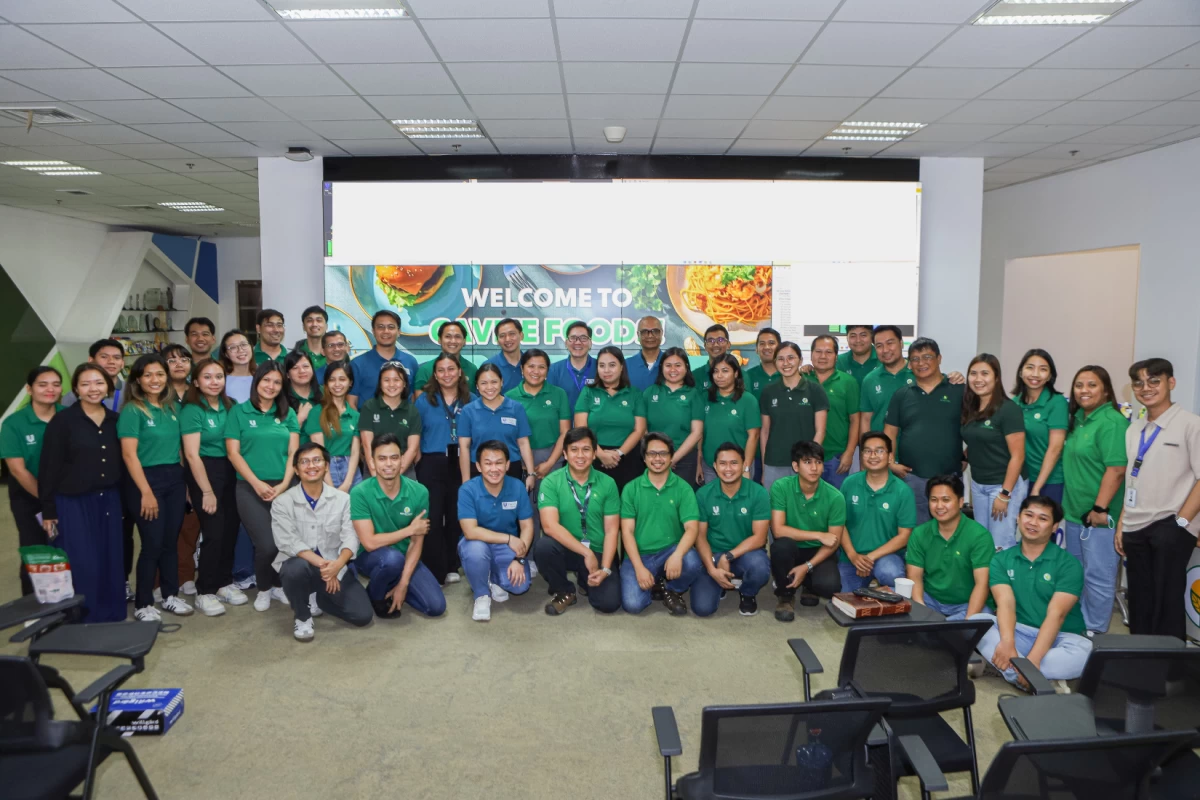
Key brands in the Unilever Philippines portfolio, Knorr and Lady’s Choice, are produced in its Foods factory in General Trias, Cavite. Fredy Ong (middle) Chairman and CEO of Unilever Philippines, concurrently leads the Unilever Foods Greater Asia business unit, including the Philippines.
In 2024, Unilever Philippines signed a 15-year solar Power Purchase Agreement (PPA) for its Foods factory. The solar panel infrastructure installation has recently been completed and is expected to be fully operational early May 2025. Previously, Unilever Philippines primarily relied on geothermal energy across its factories.
Energizing the Foods factory
The Solar Photovoltaic panels have an installed capacity of 1,211 kilowatts, capable of generating 1,847 megawatt-hours peak per year. This will power the factory’s main infrastructures: the Savoury factory, the Dressings factory, and the utilities building. Tier 1 solar panels were installed, providing the highest assurance on build quality and durability, ensuring consistent output throughout the duration of the PPA contract.
Adding solar energy to the current energy mix is part of Unilever’s journey towards its net-zero sustainability commitment, aiming for a 100% reduction in operational emissions by 2030 compared to a 2015 baseline.
The investment is expected to generate savings that will be reinvested towards other efficiencies in the Unilever Foods Cavite factory.
“This initiative builds on our long-standing use of renewable energy for our factories, offices, and facilities. We are building from strength to strength in our operations and sustainability commitments,” shared Arvind Sunderrajan Unilever Foods head of supply chain for Philippines and Greater Asia.