







Philippines and Japan at 70: A stronger strategic bond


At A Glance
- On the eve of the 70th anniversary of diplomatic relations between the Philippines and Japan in 2026, the recent bilateral meeting between President Ferdinand Marcos Jr. and Prime Minister Ishiba Shigeru marks a significant milestone in the evolution of a dynamic and deepening partnership. Held in an atmosphere of mutual respect and forward-looking resolve, the meeting reaffirmed the two nations' shared commitment to peace, regional stability, economic development, and a free and open Indo-Pacific.
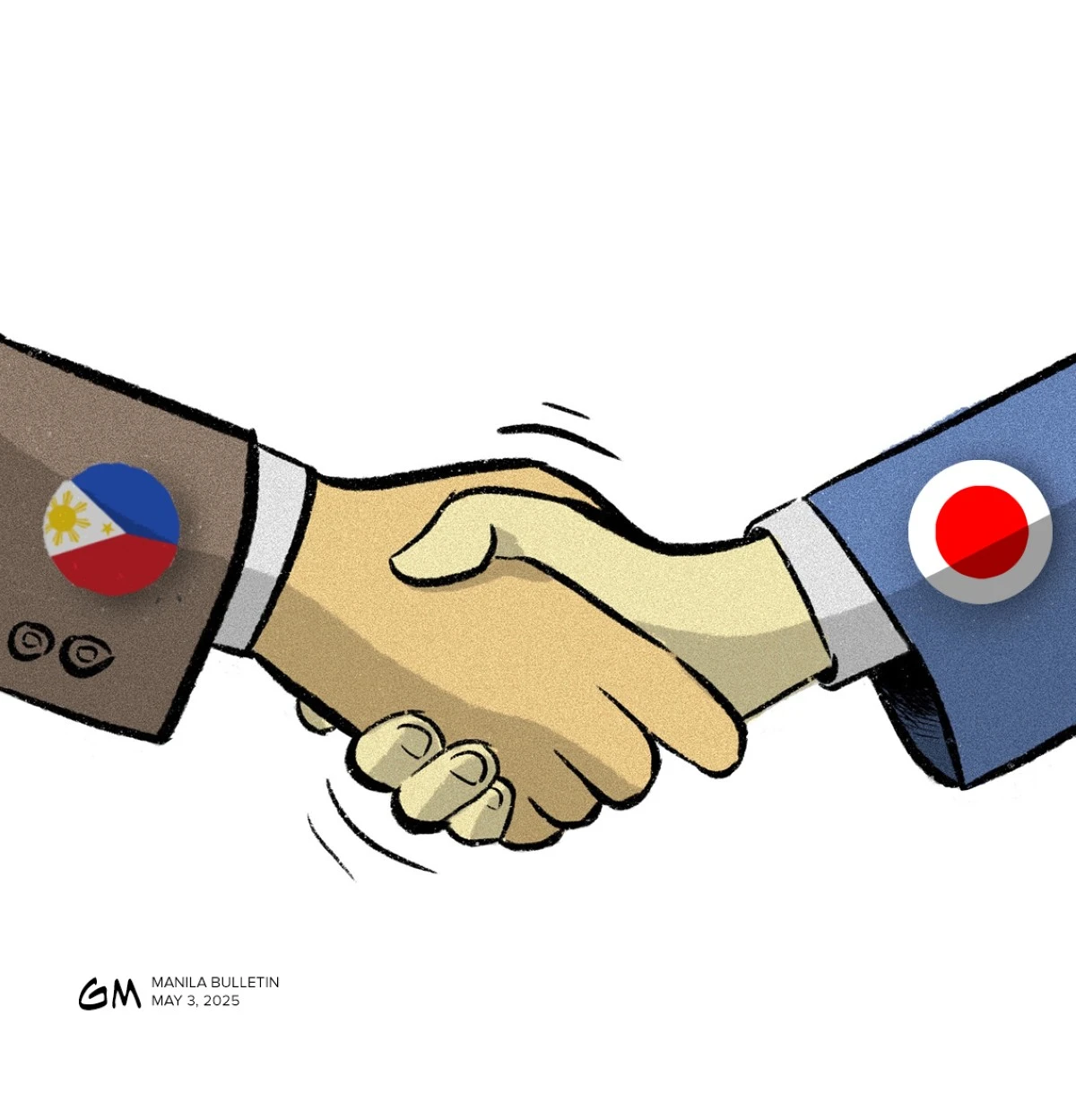
On the eve of the 70th anniversary of diplomatic relations between the Philippines and Japan in 2026, the recent bilateral meeting between President Ferdinand Marcos Jr. and Prime Minister Ishiba Shigeru marks a significant milestone in the evolution of a dynamic and deepening partnership. Held in an atmosphere of mutual respect and forward-looking resolve, the meeting reaffirmed the two nations’ shared commitment to peace, regional stability, economic development, and a free and open Indo-Pacific.
The Philippines and Japan formally established diplomatic relations in 1956, rebuilding ties from the ashes of war into a modern, resilient, and values-driven alliance. In June 2026, or nearly a decade ago, both countries elevated their relationship to a strategic partnership. This was forged between President Benigno S. Aquino III and Prime Minister Shinzo Abe. Since then, cooperation has flourished in infrastructure, trade, people-to-people exchanges, and maritime security.
The meeting between President Marcos and Prime Minister Ishiba earlier this week signaled a new phase in this partnership — one that is more responsive to the geopolitical realities of the 21st century, while addressing the significant common interests in economic cooperation, defense and security, and deep people-to-people toe that bind both countries.
With shared concerns over maritime security, especially in the South China Sea and the broader Indo-Pacific, Japan and the Philippines have intensified joint initiatives under their respective defense and coast guard agencies. The visit comes months after the signing of the Reciprocal Access Agreement (RAA), which enables Japanese Self-Defense Forces and the Armed Forces of the Philippines to conduct joint exercises, disaster response, and humanitarian assistance missions more seamlessly. This agreement symbolizes a maturing trust and the recognition that security in the region is indivisible.
Prime Minister Ishiba’s long-standing interest in defense policy — shaped during his time as Japan’s Minister of Defense — complements President Marcos’s calibrated approach to safeguarding Philippine sovereignty while enhancing regional cooperation. Their meeting emphasized not only preparedness and deterrence, but also the proactive use of diplomacy and multilateralism to resolve disputes peacefully and inclusively.
The leaders also reviewed the progress of infrastructure cooperation under Japan’s Official Development Assistance (ODA) programs, which continue to support vital Philippine projects in transportation, energy, and disaster resilience. They affirmed the importance of technological collaboration, green energy transition, and digital innovation — areas critical to the Philippines’ sustainable development and Japan’s long-term regional engagement.
The forthcoming 70th anniversary of diplomatic relations is not merely a ceremonial occasion. It is an opportunity to reflect on a bilateral relationship that has matured from postwar reconciliation to robust collaboration across a wide range of sectors. It is a story of two nations—one an archipelago in Southeast Asia, the other a major economy in East Asia—finding common ground in democracy, open trade, and strategic foresight.
As both countries navigate an increasingly complex international landscape, the strength of their partnership will be a pillar of regional resilience. The Marcos-Ishiba meeting affirmed that the Philippines and Japan are ready to take on this responsibility—together.
Looking ahead, the spirit of kizuna—the Japanese word for enduring bonds—captures the essence of what this strategic partnership means today. With shared values, strategic alignment, and genuine friendship, the Philippines and Japan stand stronger than ever—ready to shape the future of the region as trusted partners.