ADVERTISEMENT

Senator Mark Villar advocates family-centered infrastructure to strengthen Filipino bonds

Published Jan 31, 2025 09:47 am
IMG_7138.jpeg
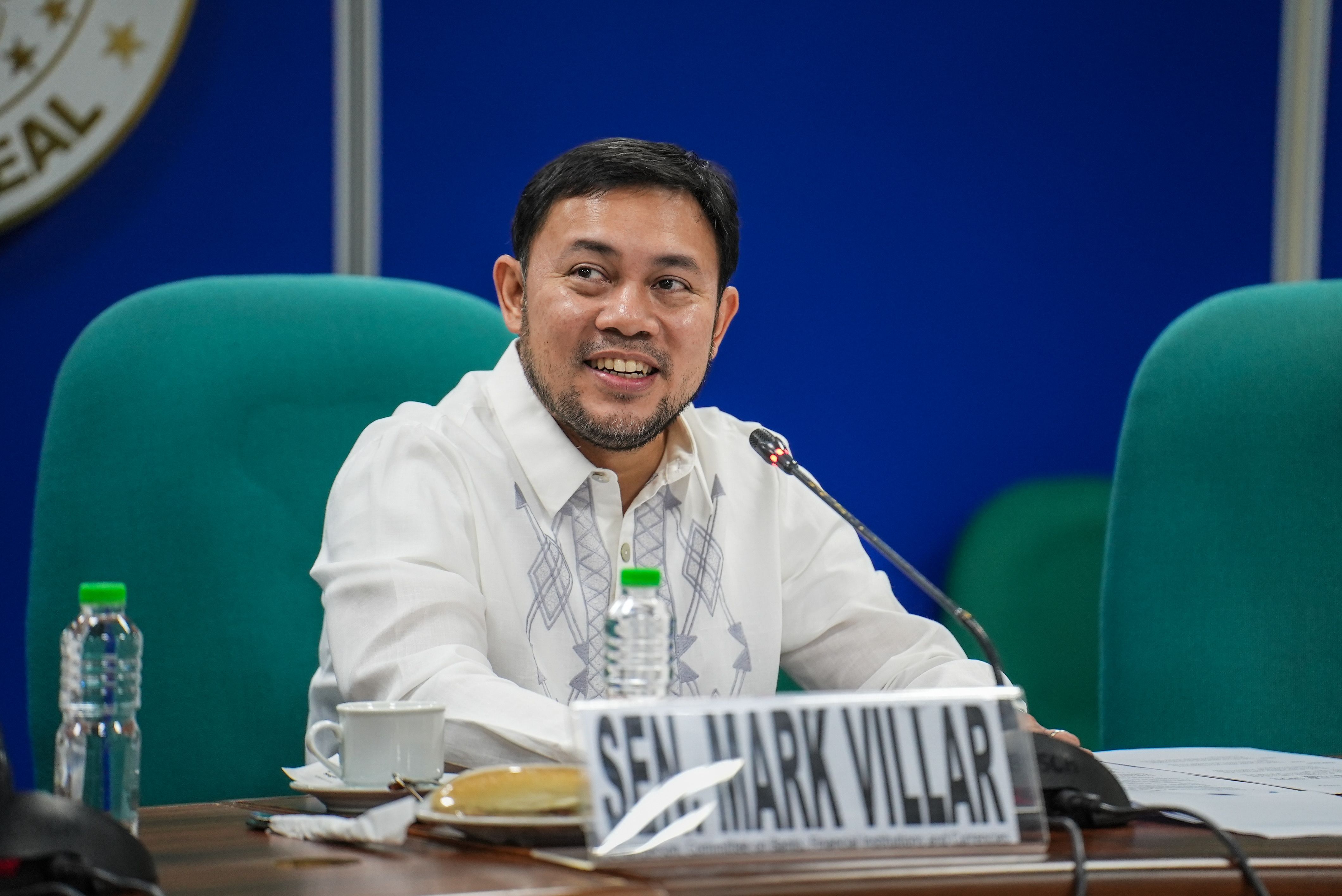
Sen. Mark Villar

Senator Mark Villar emphasized the vital role of infrastructure in fostering stronger Filipino families. Citing congestion and inefficient transportation as key culprits that erode quality family time, Villar urged policymakers, developers, and stakeholders to shift their focus toward building infrastructure that genuinely works for everyday citizens.

Easing Commutes to Empower Family Time

According to Senator Villar, long commutes and traffic jams rob workers of precious hours that could otherwise be spent bonding with loved ones. 

“By streamlining public transit, building well-maintained roads, and optimizing traffic flow, we reduce the hours wasted in traffic,” he wrote. 

He added that when parents spend fewer hours on the road, they can devote more attention to raising children and nurturing family life—elements he calls the cornerstone of Filipino culture.

Placing Essential Services Within Reach

Beyond improved roads and transportation networks, Villar stressed the importance of strategically placing schools, healthcare facilities, and community centers within accessible distances. 

“When crucial services are conveniently located, parents can more easily attend school events, respond to emergencies, and participate in local activities without undue burden,” he noted. 

For families balancing work, education, and household responsibilities, the convenience of proximity can significantly reduce daily stress and enhance community engagement.

Active Mobility and Digital Connectivity

In his essay, the senator also highlighted the benefits of pedestrian-friendly infrastructure and bike lanes, promoting healthier lifestyles and opportunities for families to enjoy the outdoors together. 

Moreover, he pointed out that investing in digital infrastructure can open the door to more flexible work arrangements—giving parents the option to work remotely, thereby freeing up more time for child-rearing and household duties.

Infrastructure That Truly Serves Filipinos

Senator Villar called on both the government and the private sector to recognize that infrastructure isn’t merely about erecting roads and buildings, but rather about creating environments where families can flourish. “It is about creating an environment where families can truly thrive,” he asserted. 

By integrating mindful design, strategic urban planning, and robust digital connectivity, Villar believes the Philippines can recapture lost family time while strengthening the bonds that form the foundation of society.

A Renewed Vision for the Nation

As cities continue to grow, Senator Villar’s emphasis on family-oriented development resonates with many seeking solutions to ever-worsening traffic and shifting community structures. 

He concludes: “When we make infrastructure that works for us, we make the Philippines more livable. Through effective planning and a commitment to quality public services, we can ensure that each Filipino family has the time and opportunities to grow stronger together.”

By placing family life at the center of national development, Senator Villar’s vision could reshape how Filipinos move, live, and connect in the coming years—ultimately building not just roads, but a more unified and caring society.

ADVERTISEMENT
.most-popular .layout-ratio{ padding-bottom: 79.13%; } @media (min-width: 768px) and (max-width: 1024px) { .widget-title { font-size: 15px !important; } }

{{ articles_filter_1561_widget.title }}

.most-popular .layout-ratio{ padding-bottom: 79.13%; } @media (min-width: 768px) and (max-width: 1024px) { .widget-title { font-size: 15px !important; } }

{{ articles_filter_1562_widget.title }}

.most-popular .layout-ratio{ padding-bottom: 79.13%; } @media (min-width: 768px) and (max-width: 1024px) { .widget-title { font-size: 15px !important; } }

{{ articles_filter_1563_widget.title }}

{{ articles_filter_1564_widget.title }}

.mb-article-details { position: relative; } .mb-article-details .article-body-preview, .mb-article-details .article-body-summary{ font-size: 17px; line-height: 30px; font-family: "Libre Caslon Text", serif; color: #000; } .mb-article-details .article-body-preview iframe , .mb-article-details .article-body-summary iframe{ width: 100%; margin: auto; } .read-more-background { background: linear-gradient(180deg, color(display-p3 1.000 1.000 1.000 / 0) 13.75%, color(display-p3 1.000 1.000 1.000 / 0.8) 30.79%, color(display-p3 1.000 1.000 1.000) 72.5%); position: absolute; height: 200px; width: 100%; bottom: 0; display: flex; justify-content: center; align-items: center; padding: 0; } .read-more-background a{ color: #000; } .read-more-btn { padding: 17px 45px; font-family: Inter; font-weight: 700; font-size: 18px; line-height: 16px; text-align: center; vertical-align: middle; border: 1px solid black; background-color: white; } .hidden { display: none; }
function initializeAllSwipers() { // Get all hidden inputs with cms_article_id document.querySelectorAll('[id^="cms_article_id_"]').forEach(function (input) { const cmsArticleId = input.value; const articleSelector = '#article-' + cmsArticleId + ' .body_images'; const swiperElement = document.querySelector(articleSelector); if (swiperElement && !swiperElement.classList.contains('swiper-initialized')) { new Swiper(articleSelector, { loop: true, pagination: false, navigation: { nextEl: '#article-' + cmsArticleId + ' .swiper-button-next', prevEl: '#article-' + cmsArticleId + ' .swiper-button-prev', }, }); } }); } setTimeout(initializeAllSwipers, 3000); const intersectionObserver = new IntersectionObserver( (entries) => { entries.forEach((entry) => { if (entry.isIntersecting) { const newUrl = entry.target.getAttribute("data-url"); if (newUrl) { history.pushState(null, null, newUrl); let article = entry.target; // Extract metadata const author = article.querySelector('.author-section').textContent.replace('By', '').trim(); const section = article.querySelector('.section-info ').textContent.replace(' ', ' '); const title = article.querySelector('.article-title h1').textContent; // Parse URL for Chartbeat path format const parsedUrl = new URL(newUrl, window.location.origin); const cleanUrl = parsedUrl.host + parsedUrl.pathname; // Update Chartbeat configuration if (typeof window._sf_async_config !== 'undefined') { window._sf_async_config.path = cleanUrl; window._sf_async_config.sections = section; window._sf_async_config.authors = author; } // Track virtual page view with Chartbeat if (typeof pSUPERFLY !== 'undefined' && typeof pSUPERFLY.virtualPage === 'function') { try { pSUPERFLY.virtualPage({ path: cleanUrl, title: title, sections: section, authors: author }); } catch (error) { console.error('ping error', error); } } // Optional: Update document title if (title && title !== document.title) { document.title = title; } } } }); }, { threshold: 0.1 } ); function showArticleBody(button) { const article = button.closest("article"); const summary = article.querySelector(".article-body-summary"); const body = article.querySelector(".article-body-preview"); const readMoreSection = article.querySelector(".read-more-background"); // Hide summary and read-more section summary.style.display = "none"; readMoreSection.style.display = "none"; // Show the full article body body.classList.remove("hidden"); } document.addEventListener("DOMContentLoaded", () => { let loadCount = 0; // Track how many times articles are loaded const offset = [1, 2, 3, 4, 5, 6, 7, 8, 9, 10]; // Offset values const currentUrl = window.location.pathname.substring(1); let isLoading = false; // Prevent multiple calls if (!currentUrl) { console.log("Current URL is invalid."); return; } const sentinel = document.getElementById("load-more-sentinel"); if (!sentinel) { console.log("Sentinel element not found."); return; } function isSentinelVisible() { const rect = sentinel.getBoundingClientRect(); return ( rect.top < window.innerHeight && rect.bottom >= 0 ); } function onScroll() { if (isLoading) return; if (isSentinelVisible()) { if (loadCount >= offset.length) { console.log("Maximum load attempts reached."); window.removeEventListener("scroll", onScroll); return; } isLoading = true; const currentOffset = offset[loadCount]; window.loadMoreItems().then(() => { let article = document.querySelector('#widget_1690 > div:nth-last-of-type(2) article'); intersectionObserver.observe(article) loadCount++; }).catch(error => { console.error("Error loading more items:", error); }).finally(() => { isLoading = false; }); } } window.addEventListener("scroll", onScroll); });

Sign up by email to receive news.