ADVERTISEMENT

Rule of law must prevail

Published Sep 9, 2024 04:06 pm

FINDING ANSWERS

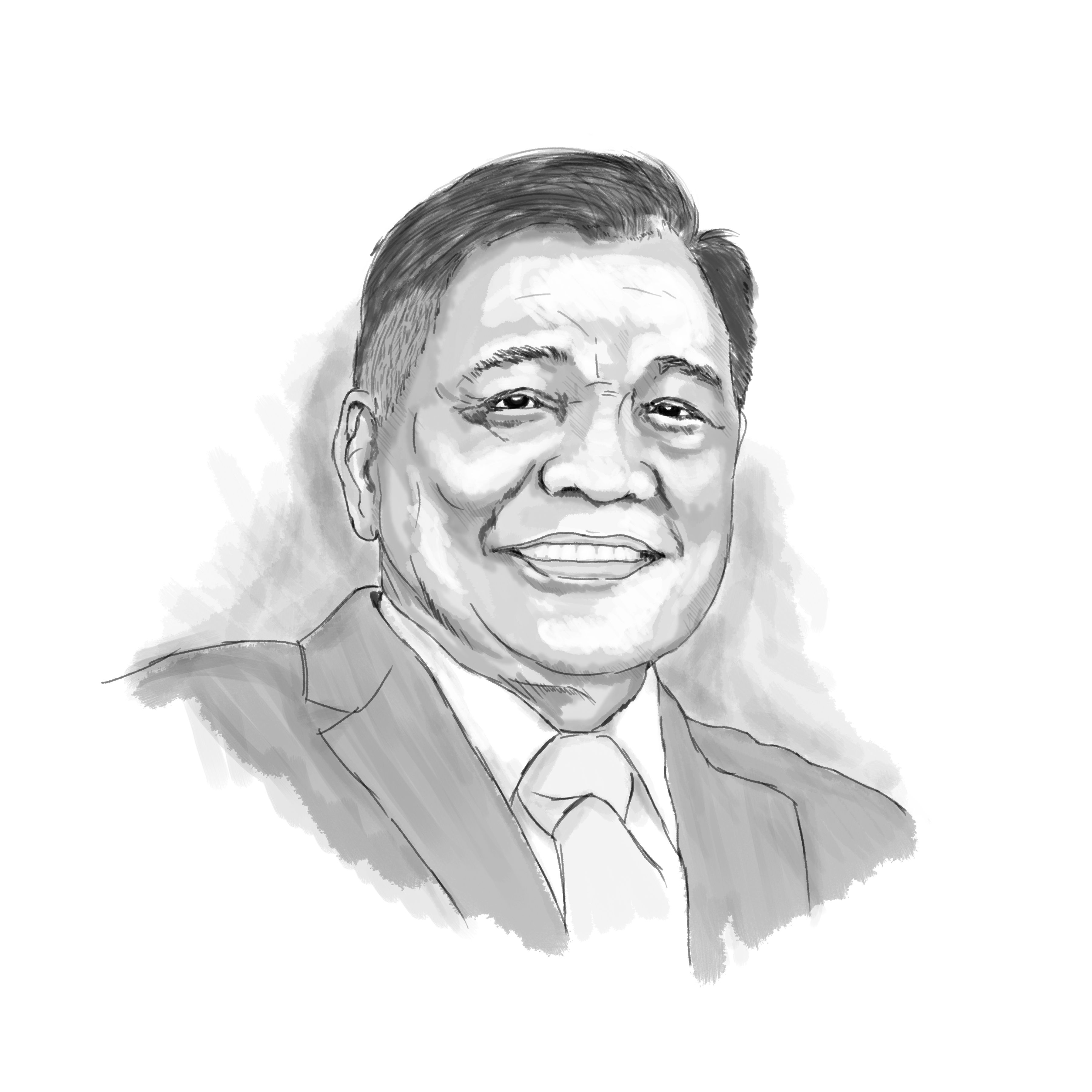
Joey_Lina_3a1536bb02.jpg

Now that high-profile wanted persons like former mayor Alice Guo and Pastor Apollo Quiboloy are now in custody, law enforcement authorities may breathe a sigh of relief.


Of course, there’s still unfinished business as the government has yet to gain custody of other high-profile fugitives like former congressman Arnolfo Teves Jr., expected to be extradited soon from Timor-Leste, and former prisons director-general Gerald Bantag who was charged with murder but remains in hiding.


Having been secretary of the Department of the Interior and Local Government who’s also Napolcom chief in an ex-officio capacity, I can imagine the frustration that DILG Secretary Benhur Abalos must have felt each day that police have failed to effect the arrest of prominent people.


The actions of incredibly rich fugitives, with vast amounts of money that can be used for large-scale bribery, or to hire the best lawyers in town, have led to a widespread belief that unlimited cash can bring about a mockery of the rule of law and the criminal justice system.


As a lawyer, I know full well that the rule of law is the bedrock of a functioning and just society. Respect for the rule of law ensures that everyone, regardless of influence or status in life, is held accountable under the same set of laws which is essential in maintaining social order.


In contrast, an erosion of the rule of law leads to impunity, rampant corruption and injustice, ultimately resulting in widespread social unrest. Thus, the need to demonstrate equality before the law and to effectively confront powerful people who attempt to undermine the justice system is of paramount importance.


Without the rule of law, society will surely descend into chaos, where might and influence determine the outcome of criminal cases, where fairness and justice become unattainable, thereby increasing the likelihood of violence and civil unrest.


Indeed, when powerful or moneyed individuals can easily evade the so-called long arm of the law, widespread cynicism and disillusionment with the criminal justice system can creep in and really destabilize society.


Thus, the relentless efforts of the Philippine National Police that led to government eventually gaining custody of Quiboloy are viewed by many Filipinos as crucial to preventing societal destabilization.


The dogged determination of Police Brig. Gen. Nicolas Torre III to effect the arrest order was exceptional indeed. Despite all the insults and invectives hurled by Quiboloy supporters to demoralize the police, Torre’s resolve was unshakeable.


Even amid the humiliation suffered by police, such as when some of them were frisked by Kingdom of Jesus Christ (KOJC) members, maximum tolerance was exercised. The patience shown by police was admirable.


A Manila Bulletin article yesterday said Quiboloy “made a sacrifice when he surrendered to the police and military forces on Sunday.” But what most Filipinos  appreciate more are the sacrifices of law enforcers who were unrelenting in their mission to capture the fugitive who has been charged with non-bailable offenses. 


Many felt offended when Quiboloy seemed to degrade the Philippine criminal justice system when he had insisted that he would only surrender if President Ferdinand Marcos Jr. would guarantee that he won’t be brought to the United States where he has also been charged.


In demanding an assurance from President Marcos, it seemed that Quiboloy was playing victim to evade justice in the US where a no-nonsense judicial system can really serve the ends of justice. But with such a condition he has imposed, many Filipinos felt that he was confirming that our justice system was really conducive to the interests of those accused who have money and power.


Thus, effecting the arrest of Quiboloy greatly boosts our criminal justice system and our country’s regard for the rule of law which is the foundation of justice and equality. It underscores the critical importance of ensuring that no person is above the law, regardless of wealth, power, or influence. Indeed, the rule of law must prevail. 


Our criminal justice system, however, must also guarantee that each person is accorded due process and given his day in court. They are part of the  rule of law.  ([email protected])

Related Tags

Finding Answers FORMER SENATOR ATTY JOEY LINA
ADVERTISEMENT
.most-popular .layout-ratio{ padding-bottom: 79.13%; } @media (min-width: 768px) and (max-width: 1024px) { .widget-title { font-size: 15px !important; } }

{{ articles_filter_1561_widget.title }}

.most-popular .layout-ratio{ padding-bottom: 79.13%; } @media (min-width: 768px) and (max-width: 1024px) { .widget-title { font-size: 15px !important; } }

{{ articles_filter_1562_widget.title }}

.most-popular .layout-ratio{ padding-bottom: 79.13%; } @media (min-width: 768px) and (max-width: 1024px) { .widget-title { font-size: 15px !important; } }

{{ articles_filter_1563_widget.title }}

{{ articles_filter_1564_widget.title }}

.mb-article-details { position: relative; } .mb-article-details .article-body-preview, .mb-article-details .article-body-summary{ font-size: 17px; line-height: 30px; font-family: "Libre Caslon Text", serif; color: #000; } .mb-article-details .article-body-preview iframe , .mb-article-details .article-body-summary iframe{ width: 100%; margin: auto; } .read-more-background { background: linear-gradient(180deg, color(display-p3 1.000 1.000 1.000 / 0) 13.75%, color(display-p3 1.000 1.000 1.000 / 0.8) 30.79%, color(display-p3 1.000 1.000 1.000) 72.5%); position: absolute; height: 200px; width: 100%; bottom: 0; display: flex; justify-content: center; align-items: center; padding: 0; } .read-more-background a{ color: #000; } .read-more-btn { padding: 17px 45px; font-family: Inter; font-weight: 700; font-size: 18px; line-height: 16px; text-align: center; vertical-align: middle; border: 1px solid black; background-color: white; } .hidden { display: none; }
function initializeAllSwipers() { // Get all hidden inputs with cms_article_id document.querySelectorAll('[id^="cms_article_id_"]').forEach(function (input) { const cmsArticleId = input.value; const articleSelector = '#article-' + cmsArticleId + ' .body_images'; const swiperElement = document.querySelector(articleSelector); if (swiperElement && !swiperElement.classList.contains('swiper-initialized')) { new Swiper(articleSelector, { loop: true, pagination: false, navigation: { nextEl: '#article-' + cmsArticleId + ' .swiper-button-next', prevEl: '#article-' + cmsArticleId + ' .swiper-button-prev', }, }); } }); } setTimeout(initializeAllSwipers, 3000); const intersectionObserver = new IntersectionObserver( (entries) => { entries.forEach((entry) => { if (entry.isIntersecting) { const newUrl = entry.target.getAttribute("data-url"); if (newUrl) { history.pushState(null, null, newUrl); let article = entry.target; // Extract metadata const author = article.querySelector('.author-section').textContent.replace('By', '').trim(); const section = article.querySelector('.section-info ').textContent.replace(' ', ' '); const title = article.querySelector('.article-title h1').textContent; // Parse URL for Chartbeat path format const parsedUrl = new URL(newUrl, window.location.origin); const cleanUrl = parsedUrl.host + parsedUrl.pathname; // Update Chartbeat configuration if (typeof window._sf_async_config !== 'undefined') { window._sf_async_config.path = cleanUrl; window._sf_async_config.sections = section; window._sf_async_config.authors = author; } // Track virtual page view with Chartbeat if (typeof pSUPERFLY !== 'undefined' && typeof pSUPERFLY.virtualPage === 'function') { try { pSUPERFLY.virtualPage({ path: cleanUrl, title: title, sections: section, authors: author }); } catch (error) { console.error('ping error', error); } } // Optional: Update document title if (title && title !== document.title) { document.title = title; } } } }); }, { threshold: 0.1 } ); function showArticleBody(button) { const article = button.closest("article"); const summary = article.querySelector(".article-body-summary"); const body = article.querySelector(".article-body-preview"); const readMoreSection = article.querySelector(".read-more-background"); // Hide summary and read-more section summary.style.display = "none"; readMoreSection.style.display = "none"; // Show the full article body body.classList.remove("hidden"); } document.addEventListener("DOMContentLoaded", () => { let loadCount = 0; // Track how many times articles are loaded const offset = [1, 2, 3, 4, 5, 6, 7, 8, 9, 10]; // Offset values const currentUrl = window.location.pathname.substring(1); let isLoading = false; // Prevent multiple calls if (!currentUrl) { console.log("Current URL is invalid."); return; } const sentinel = document.getElementById("load-more-sentinel"); if (!sentinel) { console.log("Sentinel element not found."); return; } function isSentinelVisible() { const rect = sentinel.getBoundingClientRect(); return ( rect.top < window.innerHeight && rect.bottom >= 0 ); } function onScroll() { if (isLoading) return; if (isSentinelVisible()) { if (loadCount >= offset.length) { console.log("Maximum load attempts reached."); window.removeEventListener("scroll", onScroll); return; } isLoading = true; const currentOffset = offset[loadCount]; window.loadMoreItems().then(() => { let article = document.querySelector('#widget_1690 > div:nth-last-of-type(2) article'); intersectionObserver.observe(article) loadCount++; }).catch(error => { console.error("Error loading more items:", error); }).finally(() => { isLoading = false; }); } } window.addEventListener("scroll", onScroll); });

Sign up by email to receive news.