






 Philippines
National
Go upbeat about better PH economy, touts upgrades under Marcos admin
Philippines
National
Go upbeat about better PH economy, touts upgrades under Marcos admin
Go upbeat about better PH economy, touts upgrades under Marcos admin


At A Glance
- With the Philippine gross domestic product (GDP) growth for the second quarter at 6.3 percent, Go thought 2024 is shaping up to be either the best or among the best years in the Southeast Asian region.
Special Assistant to the President for Investment and Economic Affairs Frederick Go said he is looking forward to better economic growth numbers for the Philippines as he highlighted his office's priorities for attracting more investments into the country.
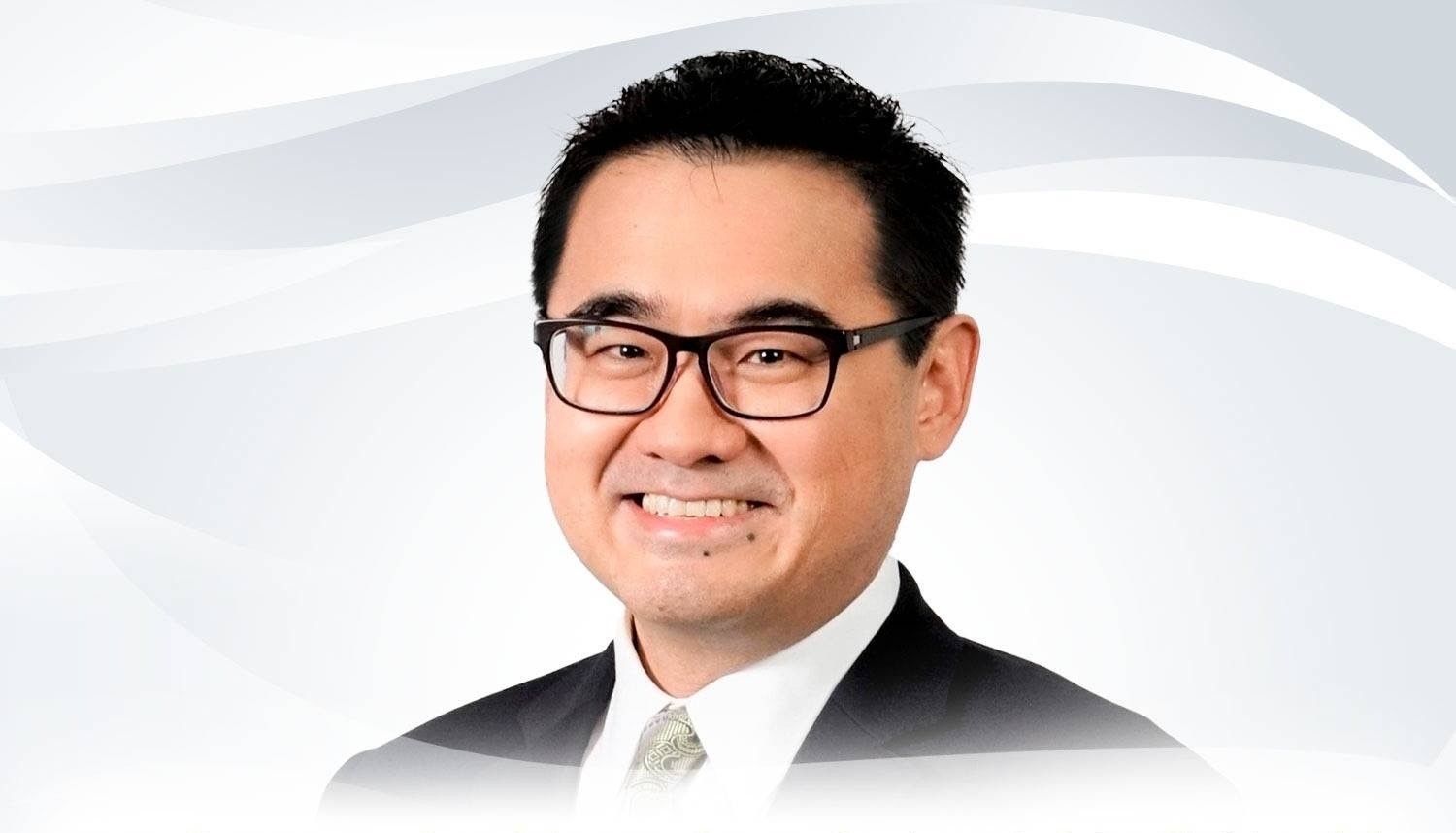
In an interview with Malacañang Insider on Friday, Sept. 6, Go expressed confidence about the country's economic performance.
With the Philippine gross domestic product (GDP) growth for the second quarter at 6.3 percent, Go cited 2024 is shaping up to be either the best or among the best years in the Southeast Asian region.
"We’re doing very well as far as economic growth is concerned. Our unemployment numbers are down to 3.1 percent, which is one of the best numbers in the last two decades. Our poverty rate is likewise dropping," he said.
Go likewise emphasized good news from R&I, Japan's rating agency, which recently upgraded the Philippines from BBB+ to A-. Two Japanese rating agencies have now upgraded the country to A-.
"So, if you’re asking me what I’m looking forward to, I’m looking forward to better economic growth numbers, better inflation numbers, and more upgrades I hope, you know, within this administration," he said.
"If we are able to bring the Philippines from, what they call a B-level credit rating to an A-level credit rating, wow, that would be super for this country," he added.
Go also pointed to improving macroeconomic indicators, highlighting better overall performance for the country.
The Office of the Special Assistant to the President for Investment and Economic Affairs is tasked to attract foreign direct investments (FDIs) into the Philippines.
CREATE MORE Bill
According to Go, one of his office's priorities is to push for the passage of the CREATE MORE Bill into law, saying it was important to address issues arising from its predecessor, the CREATE Act, which came into effect in April 2021.
The Corporate Recovery and Tax Incentives for Enterprises (CREATE) Act grants tax relief for companies in financial need in the wake of the Covid-19 pandemic, while seeking to provide transparent tax provisions and further increase the competitiveness of the Philippines.
The CREATE MORE bill, meanwhile, seeks to improve regulations by enhancing tax and administrative incentives available to local and foreign companies. It likewise aims to clarify rules on implementing value-added tax (VAT) incentives introduced under the previous Act.
"Passing the CREATE MORE Bill... [signals] to the world that we are listening and are responding to the issues and difficulties that they have raised and brought to our attention," Go said.
The House of Representatives passed the CREATE MORE bill on the third and final reading in May this year while the Senate passed its version on the second reading early this month.
Luzon Economic Corridor
Go said another priority is the Luzon Economic Corridor Project, a collaboration with the country’s G7 Global Infrastructure partners.
He particularly highlighted the flagship project Subic-Clark-Manila-Batangas Cargo Rail which would reduce the cost of doing business within the corridor, including four ports responsible for about 80 percent of the traffic volume in the Philippines.
"You can just imagine the number of industries that would benefit from this, that can be put in place around this corridor. We’re talking about renewable energy, data centers, food production, digital connectivity, and the like," he said.
"So, the Luzon Economic Corridor is the only project of its kind for the G7 here in Asia so we’re really hoping that this gains a lot of traction and that other countries. In fact, one other country has already written us signifying interest to be part of the Luzon Economic Corridor," he added.
Last week, Go said they are narrowing down the proposed projects under the Luzon Economic Corridor as the country's partners shift their interest to projects in Subic.
"Lumalawak yung coverage ng Luzon Economic Corridor (The Corridor's coverage is expanding) so much so that the primary interest now is, for example, in Subic which was not in the first steering committee meeting [in April]," he said.
"I think we will end up with less than 10 primary projects. We're shortlisting or we're narrowing or we're focusing now... Kasi better 'yan (That's better). When you focus, then you know it will move forward faster," he added.
The Philippines, Japan, and the US announced the launch of the Luzon Economic Corridor during their historic trilateral meeting in Washington, D.C., in April this year.
The first Partnership for Global Infrastructure and Investment corridor in the Indo-Pacific, the Luzon Economic Corridor aims to accelerate coordinated investments in high-impact infrastructure projects in Subic Bay.
These include projects in rail, port modernization, clean energy and semiconductor supply chains and deployments, agribusiness, and civilian port upgrades at Subic Bay.
Japan has long been supporting connectivity in this area, including rails and roads, through the Japan International Cooperation Agency (JICA).
In May, President Marcos said the government would do even better once the Luzon Economic Corridor was completed.