ADVERTISEMENT

'Disaster-proofing' strategies for coping with calamities

Published Sep 21, 2024 09:35 pm

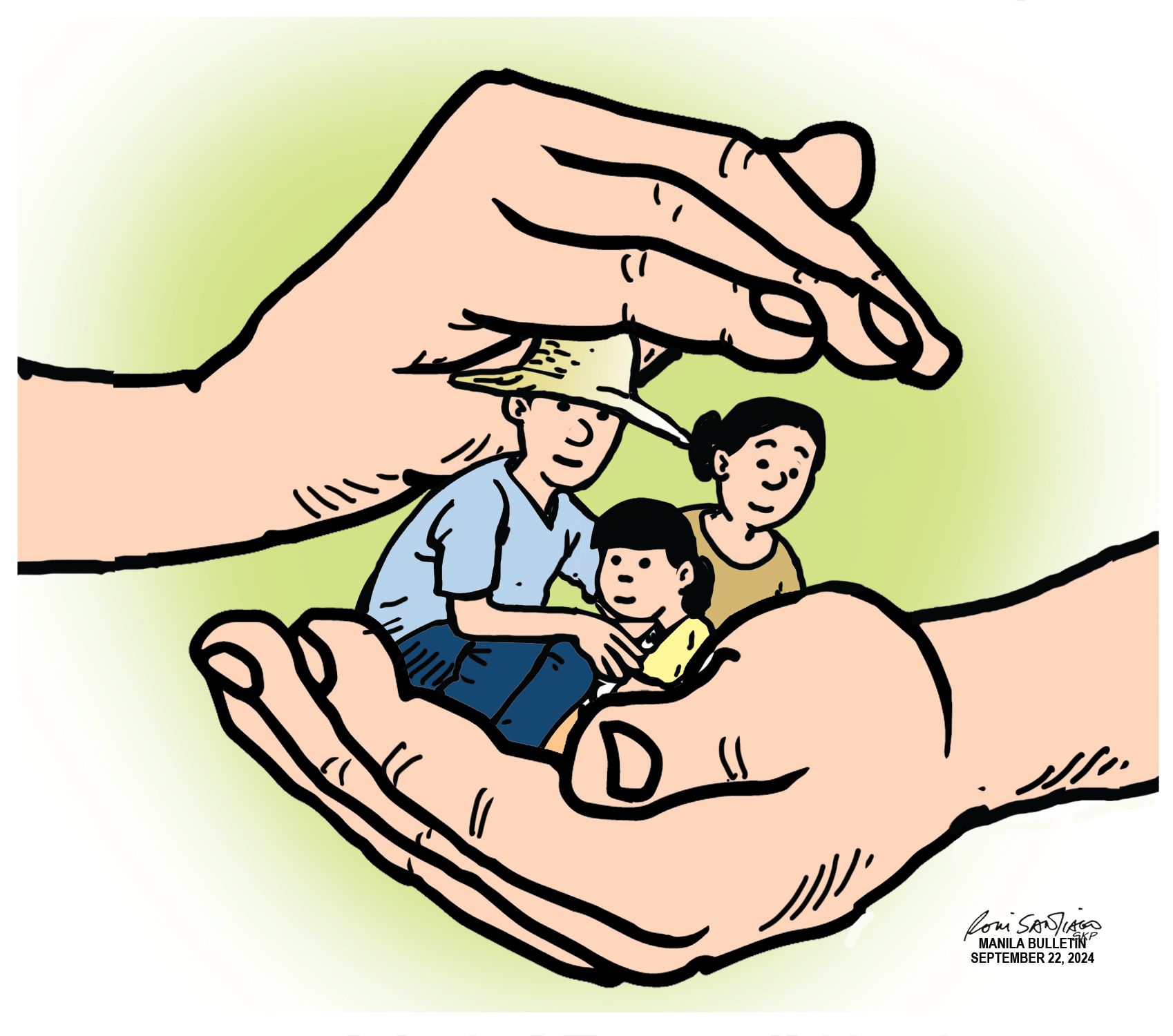
E CARTOON SEP 22, 2024.jpg

Disaster preparedness programs have become a part of many government agencies’ responsibilities and this concept has been introduced to various sectors. 


Recently, the Department of Social Welfare and Development (DSWD) announced that it has implemented the “disaster-proofing” of its strategies to continue its programs and services amid disaster situations. 


“Disaster-proofing” measures highlight the continuous study and testing of systems for disaster response especially when conditions do not allow communications or travel to affected areas. 


One of the measures is how to respond to the most vulnerable communities that may become isolated from help.  Family Development Sessions teaching disaster preparedness were conducted for the beneficiaries of the Pantawid Pamilyang Pilipino Program (4Ps) that are among the most vulnerable communities who would be affected by recurring disasters.


For the response teams, the sessions also included a review and demonstration of the Department of Interior and Local Government’s (DILG) Operation Listo program which has established local protocols for disaster preparedness.  The module teaches preparedness for tropical cyclones, volcanic eruptions and earthquakes.


The agency’s disaster response has been strengthened by the anticipatory action (AA), an innovative humanitarian approach that systematically links early warnings to a set of interventions aimed at protecting at-risk families and their assets ahead of a hazard, using science-based forecasts and risk analysis.
A good project that supports this initiative is the Building on Social Protection for Anticipatory Action and Response in Emergencies and Disasters (B-SPARED).  It was launched in August 2023 and is a collaboration of the DSWD and the Food and Agriculture Organization of the United Nations (FAO), supported by the European Union Civil Protection and Humanitarian Aid Operations.


In two pilot areas in Mindanao, the anticipatory action concept was demonstrated through the simulation exercises on the effectiveness of B-SPARED, particularly government systems and processes that support its implementation.  One exercise was the simulation of flood interventions where cash pay-outs and the distribution of drums for storage of agricultural products were tested.  The drums with tight lids provide protection for the livelihood of the farmers.


The simulation exercise also tested the collaboration of provincial and local government partners, the private sector and local communities to protect the resiliency of the poor and vulnerable in times of disasters.


It is good to know that government is always active in testing and updating its systems to respond to any situation, especially on natural disasters like strong typhoons and floods.  Approximately 20 typhoons enter the Philippine Area of Responsibility every year.


This kind of anticipatory action should also be adopted by private companies and households as a guide on disaster preparedness.  Strong typhoons have been bringing continuous rains to many parts of the country, especially in the south, in the last few weeks.  Disaster preparedness is not only for those living in the urban areas where floodwaters come usually after heavy rainfall.  


It’s time to think about what kind of anticipatory action you can adopt for your household.

Related Tags

opinion EDITORIAL
ADVERTISEMENT
.most-popular .layout-ratio{ padding-bottom: 79.13%; } @media (min-width: 768px) and (max-width: 1024px) { .widget-title { font-size: 15px !important; } }

{{ articles_filter_1561_widget.title }}

.most-popular .layout-ratio{ padding-bottom: 79.13%; } @media (min-width: 768px) and (max-width: 1024px) { .widget-title { font-size: 15px !important; } }

{{ articles_filter_1562_widget.title }}

.most-popular .layout-ratio{ padding-bottom: 79.13%; } @media (min-width: 768px) and (max-width: 1024px) { .widget-title { font-size: 15px !important; } }

{{ articles_filter_1563_widget.title }}

{{ articles_filter_1564_widget.title }}

.mb-article-details { position: relative; } .mb-article-details .article-body-preview, .mb-article-details .article-body-summary{ font-size: 17px; line-height: 30px; font-family: "Libre Caslon Text", serif; color: #000; } .mb-article-details .article-body-preview iframe , .mb-article-details .article-body-summary iframe{ width: 100%; margin: auto; } .read-more-background { background: linear-gradient(180deg, color(display-p3 1.000 1.000 1.000 / 0) 13.75%, color(display-p3 1.000 1.000 1.000 / 0.8) 30.79%, color(display-p3 1.000 1.000 1.000) 72.5%); position: absolute; height: 200px; width: 100%; bottom: 0; display: flex; justify-content: center; align-items: center; padding: 0; } .read-more-background a{ color: #000; } .read-more-btn { padding: 17px 45px; font-family: Inter; font-weight: 700; font-size: 18px; line-height: 16px; text-align: center; vertical-align: middle; border: 1px solid black; background-color: white; } .hidden { display: none; }
function initializeAllSwipers() { // Get all hidden inputs with cms_article_id document.querySelectorAll('[id^="cms_article_id_"]').forEach(function (input) { const cmsArticleId = input.value; const articleSelector = '#article-' + cmsArticleId + ' .body_images'; const swiperElement = document.querySelector(articleSelector); if (swiperElement && !swiperElement.classList.contains('swiper-initialized')) { new Swiper(articleSelector, { loop: true, pagination: false, navigation: { nextEl: '#article-' + cmsArticleId + ' .swiper-button-next', prevEl: '#article-' + cmsArticleId + ' .swiper-button-prev', }, }); } }); } setTimeout(initializeAllSwipers, 3000); const intersectionObserver = new IntersectionObserver( (entries) => { entries.forEach((entry) => { if (entry.isIntersecting) { const newUrl = entry.target.getAttribute("data-url"); if (newUrl) { history.pushState(null, null, newUrl); let article = entry.target; // Extract metadata const author = article.querySelector('.author-section').textContent.replace('By', '').trim(); const section = article.querySelector('.section-info ').textContent.replace(' ', ' '); const title = article.querySelector('.article-title h1').textContent; // Parse URL for Chartbeat path format const parsedUrl = new URL(newUrl, window.location.origin); const cleanUrl = parsedUrl.host + parsedUrl.pathname; // Update Chartbeat configuration if (typeof window._sf_async_config !== 'undefined') { window._sf_async_config.path = cleanUrl; window._sf_async_config.sections = section; window._sf_async_config.authors = author; } // Track virtual page view with Chartbeat if (typeof pSUPERFLY !== 'undefined' && typeof pSUPERFLY.virtualPage === 'function') { try { pSUPERFLY.virtualPage({ path: cleanUrl, title: title, sections: section, authors: author }); } catch (error) { console.error('ping error', error); } } // Optional: Update document title if (title && title !== document.title) { document.title = title; } } } }); }, { threshold: 0.1 } ); function showArticleBody(button) { const article = button.closest("article"); const summary = article.querySelector(".article-body-summary"); const body = article.querySelector(".article-body-preview"); const readMoreSection = article.querySelector(".read-more-background"); // Hide summary and read-more section summary.style.display = "none"; readMoreSection.style.display = "none"; // Show the full article body body.classList.remove("hidden"); } document.addEventListener("DOMContentLoaded", () => { let loadCount = 0; // Track how many times articles are loaded const offset = [1, 2, 3, 4, 5, 6, 7, 8, 9, 10]; // Offset values const currentUrl = window.location.pathname.substring(1); let isLoading = false; // Prevent multiple calls if (!currentUrl) { console.log("Current URL is invalid."); return; } const sentinel = document.getElementById("load-more-sentinel"); if (!sentinel) { console.log("Sentinel element not found."); return; } function isSentinelVisible() { const rect = sentinel.getBoundingClientRect(); return ( rect.top < window.innerHeight && rect.bottom >= 0 ); } function onScroll() { if (isLoading) return; if (isSentinelVisible()) { if (loadCount >= offset.length) { console.log("Maximum load attempts reached."); window.removeEventListener("scroll", onScroll); return; } isLoading = true; const currentOffset = offset[loadCount]; window.loadMoreItems().then(() => { let article = document.querySelector('#widget_1690 > div:nth-last-of-type(2) article'); intersectionObserver.observe(article) loadCount++; }).catch(error => { console.error("Error loading more items:", error); }).finally(() => { isLoading = false; }); } } window.addEventListener("scroll", onScroll); });

Sign up by email to receive news.