ADVERTISEMENT

Aboitiz ranks among Time's World's Best Companies of 2024

Published Sep 17, 2024 06:24 am
091724AboitizTime2.jpg
Sabin M. Aboitiz, President and CEO of Aboitiz Group, spearheads its transformation into the Philippines' first techglomerate, earning global recognition for innovation, sustainability, and employee empowerment.

The Aboitiz Group ranks alongside global giants such as Apple, Microsoft, and BMW, following the release of Time and Statista’s "World's Best Companies of 2024" ranking. This prestigious recognition, which evaluates companies based on employee satisfaction, revenue growth, and environmental, social, and corporate governance (ESG) performance, reinforces the Aboitiz Group’s enduring commitment to sustainability, employee well-being, and innovation-driven transformation.

As companies worldwide navigate the post-pandemic landscape, organizations that prioritize both financial success and positive societal impact are increasingly being recognized. For the Aboitiz Group, this moment is a testament to its ongoing evolution into the Philippines’ first "techglomerate"—a pioneering strategy that leverages technology, innovation, and a startup culture to revolutionize its operations and amplify its impact.

"The Aboitiz Group is deeply honored to be recognized alongside globally esteemed companies for our dedication to empowering our employees, driving sustainability, and fostering innovation," said Sabin M. Aboitiz, President and CEO of Aboitiz Group. "As we undergo this transformation into a 'techglomerate,' we are fully committed to using technology and innovation not only to enhance business efficiency but also to make a lasting positive impact on our communities, the environment, and the nation."

091724AboitizTime1.jpg
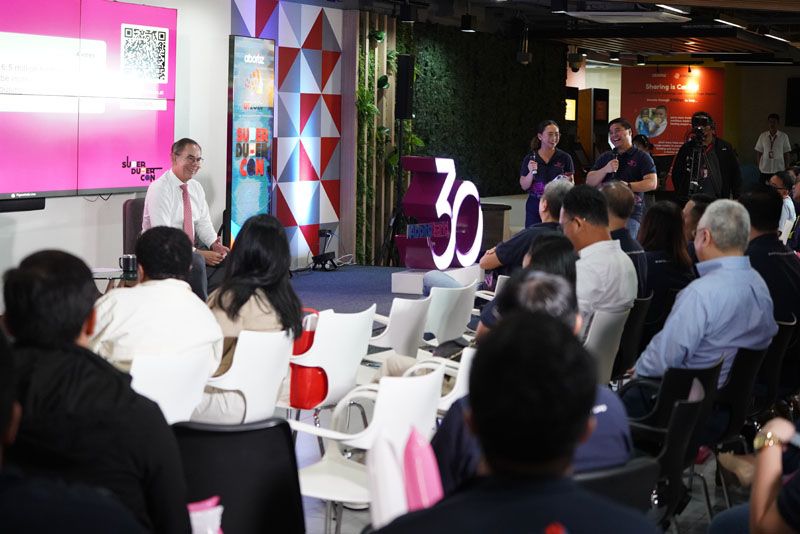
Sabin M. Aboitiz champions a people-first approach in the company's transformation into the Philippines' first techglomerate.

This transition to a tech-powered conglomerate is part of the Aboitiz Group's long-term strategy to redefine what it means to be a leader in the 21st century. By embracing cutting-edge digital solutions and cultivating a culture of innovation across its various business units—including power, banking, food, infrastructure, and land development—the Group is positioning itself at the forefront of the Philippines’ business transformation.

The Aboitiz Group’s trajectory mirrors that of companies like Microsoft and Apple, which have demonstrated the value of blending corporate success with a strong focus on employee satisfaction and sustainability. Microsoft’s commitment to empowering employees through meaningful work and Apple’s trailblazing ESG efforts, including achieving gender equality on its board and a commitment to carbon neutrality, resonate with Aboitiz’s own journey toward a more sustainable, inclusive, and innovative future.

With its shift toward becoming a 'techglomerate,' the Aboitiz Group is poised to transform how business is conducted in the Philippines. The Group has already embraced digital transformation through initiatives like CarbonPH, a multi-partite reforestation and watershed recovery project that harnesses technology to increase forest cover and biodiversity while supporting sustainable livelihoods. These initiatives reflect the Group’s forward-thinking approach, where technology is not just a tool for profit but a catalyst for environmental and social good.

"Our transformation into a 'techglomerate' reinforces our commitment to being a force for good," added Aboitiz. "Through this tech-driven evolution, we are future-proofing our operations and unlocking new opportunities for growth, sustainability, and innovation. We believe that by integrating technology into every aspect of our business, we can enhance our impact on the communities we serve, create meaningful jobs, and support the country's digital economy."

This approach aligns with the broader trend highlighted by TIME and Statista, where companies from diverse sectors are recognized for their ability to balance financial performance with societal impact. Like Accenture, which has used technology to address global challenges, the Aboitiz Group is committed to using its techglomerate platform to solve pressing issues in the Philippines, from environmental resilience to digital inclusion.

About Aboitiz Group The Aboitiz Group, a venerable name in Philippine business with over a century of expertise, is undergoing a bold transformation as it becomes the country’s first "techglomerate." Operating across various sectors—power, banking, food, land, infrastructure, and technology—the Group is integrating innovation and technology into its core to create sustainable value for all its stakeholders. As a trailblazer in both business and social impact, the Aboitiz Group is poised to shape the future of the Philippines' digital economy.

Related Tags

Aboitiz Group
ADVERTISEMENT
.most-popular .layout-ratio{ padding-bottom: 79.13%; } @media (min-width: 768px) and (max-width: 1024px) { .widget-title { font-size: 15px !important; } }

{{ articles_filter_1561_widget.title }}

.most-popular .layout-ratio{ padding-bottom: 79.13%; } @media (min-width: 768px) and (max-width: 1024px) { .widget-title { font-size: 15px !important; } }

{{ articles_filter_1562_widget.title }}

.most-popular .layout-ratio{ padding-bottom: 79.13%; } @media (min-width: 768px) and (max-width: 1024px) { .widget-title { font-size: 15px !important; } }

{{ articles_filter_1563_widget.title }}

{{ articles_filter_1564_widget.title }}

.mb-article-details { position: relative; } .mb-article-details .article-body-preview, .mb-article-details .article-body-summary{ font-size: 17px; line-height: 30px; font-family: "Libre Caslon Text", serif; color: #000; } .mb-article-details .article-body-preview iframe , .mb-article-details .article-body-summary iframe{ width: 100%; margin: auto; } .read-more-background { background: linear-gradient(180deg, color(display-p3 1.000 1.000 1.000 / 0) 13.75%, color(display-p3 1.000 1.000 1.000 / 0.8) 30.79%, color(display-p3 1.000 1.000 1.000) 72.5%); position: absolute; height: 200px; width: 100%; bottom: 0; display: flex; justify-content: center; align-items: center; padding: 0; } .read-more-background a{ color: #000; } .read-more-btn { padding: 17px 45px; font-family: Inter; font-weight: 700; font-size: 18px; line-height: 16px; text-align: center; vertical-align: middle; border: 1px solid black; background-color: white; } .hidden { display: none; }
function initializeAllSwipers() { // Get all hidden inputs with cms_article_id document.querySelectorAll('[id^="cms_article_id_"]').forEach(function (input) { const cmsArticleId = input.value; const articleSelector = '#article-' + cmsArticleId + ' .body_images'; const swiperElement = document.querySelector(articleSelector); if (swiperElement && !swiperElement.classList.contains('swiper-initialized')) { new Swiper(articleSelector, { loop: true, pagination: false, navigation: { nextEl: '#article-' + cmsArticleId + ' .swiper-button-next', prevEl: '#article-' + cmsArticleId + ' .swiper-button-prev', }, }); } }); } setTimeout(initializeAllSwipers, 3000); const intersectionObserver = new IntersectionObserver( (entries) => { entries.forEach((entry) => { if (entry.isIntersecting) { const newUrl = entry.target.getAttribute("data-url"); if (newUrl) { history.pushState(null, null, newUrl); let article = entry.target; // Extract metadata const author = article.querySelector('.author-section').textContent.replace('By', '').trim(); const section = article.querySelector('.section-info ').textContent.replace(' ', ' '); const title = article.querySelector('.article-title h1').textContent; // Parse URL for Chartbeat path format const parsedUrl = new URL(newUrl, window.location.origin); const cleanUrl = parsedUrl.host + parsedUrl.pathname; // Update Chartbeat configuration if (typeof window._sf_async_config !== 'undefined') { window._sf_async_config.path = cleanUrl; window._sf_async_config.sections = section; window._sf_async_config.authors = author; } // Track virtual page view with Chartbeat if (typeof pSUPERFLY !== 'undefined' && typeof pSUPERFLY.virtualPage === 'function') { try { pSUPERFLY.virtualPage({ path: cleanUrl, title: title, sections: section, authors: author }); } catch (error) { console.error('ping error', error); } } // Optional: Update document title if (title && title !== document.title) { document.title = title; } } } }); }, { threshold: 0.1 } ); function showArticleBody(button) { const article = button.closest("article"); const summary = article.querySelector(".article-body-summary"); const body = article.querySelector(".article-body-preview"); const readMoreSection = article.querySelector(".read-more-background"); // Hide summary and read-more section summary.style.display = "none"; readMoreSection.style.display = "none"; // Show the full article body body.classList.remove("hidden"); } document.addEventListener("DOMContentLoaded", () => { let loadCount = 0; // Track how many times articles are loaded const offset = [1, 2, 3, 4, 5, 6, 7, 8, 9, 10]; // Offset values const currentUrl = window.location.pathname.substring(1); let isLoading = false; // Prevent multiple calls if (!currentUrl) { console.log("Current URL is invalid."); return; } const sentinel = document.getElementById("load-more-sentinel"); if (!sentinel) { console.log("Sentinel element not found."); return; } function isSentinelVisible() { const rect = sentinel.getBoundingClientRect(); return ( rect.top < window.innerHeight && rect.bottom >= 0 ); } function onScroll() { if (isLoading) return; if (isSentinelVisible()) { if (loadCount >= offset.length) { console.log("Maximum load attempts reached."); window.removeEventListener("scroll", onScroll); return; } isLoading = true; const currentOffset = offset[loadCount]; window.loadMoreItems().then(() => { let article = document.querySelector('#widget_1690 > div:nth-last-of-type(2) article'); intersectionObserver.observe(article) loadCount++; }).catch(error => { console.error("Error loading more items:", error); }).finally(() => { isLoading = false; }); } } window.addEventListener("scroll", onScroll); });

Sign up by email to receive news.