







PUV modernization continues: 'King of the road' will be 'retired'


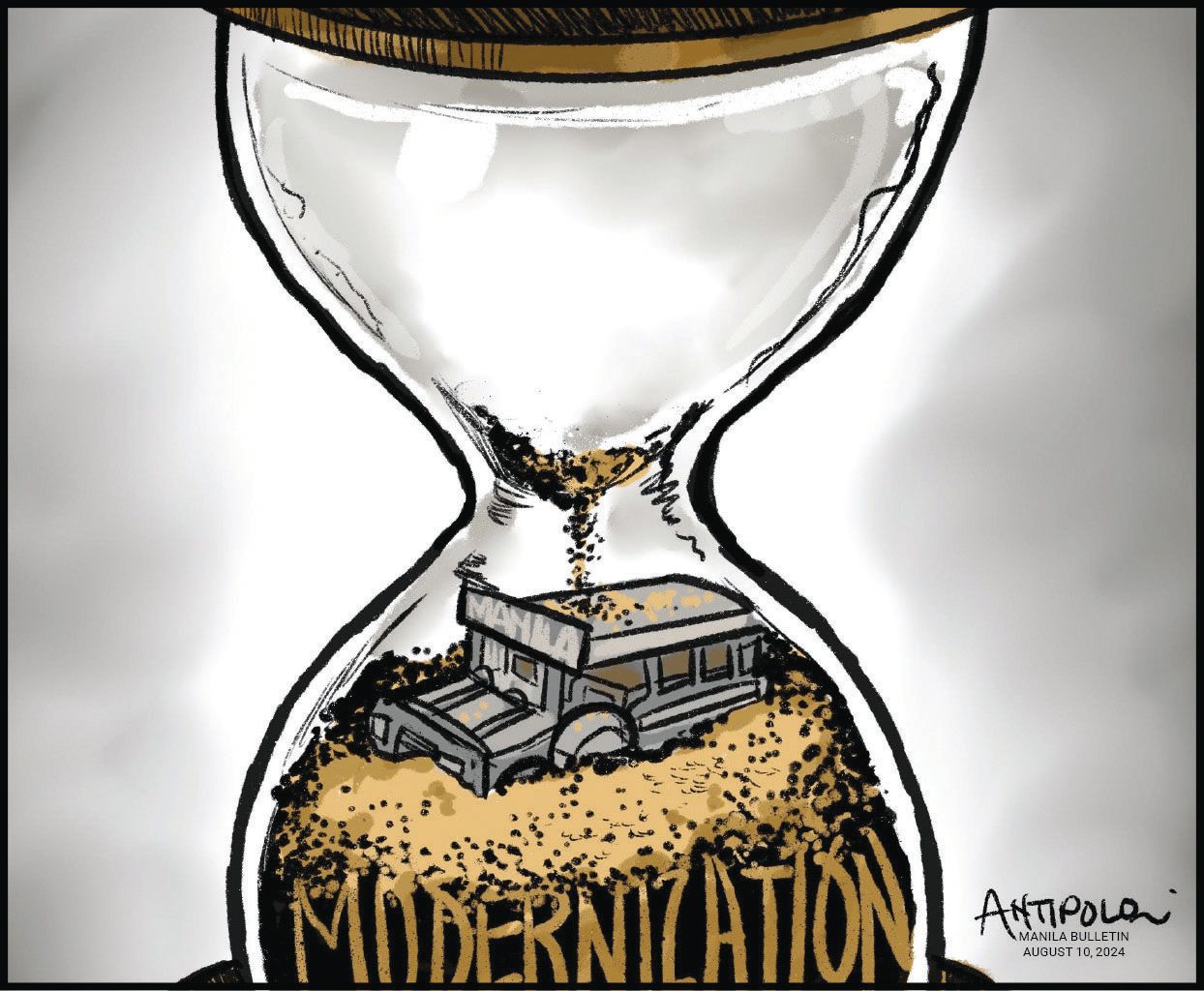
It looks like it is the end of the road for the jeepney, the so-called “king of the road,” after President Marcos said the Public Transportation Modernization Program (PTMP), formerly the Public Utility Vehicle Modernization Program (PUVMP), will continue.
The PUVMP is a government initiative designed to streamline and organize the country’s public road transportation system. It involves several phases: Phaseout of old vehicles that are no longer road worthy and emissions compliant; scrutinize and reorganize routes, franchises, and roles of the vehicles involved; and introduce new systems and standards for vehicles that will serve the public. Though commonly associated with jeepneys, the PUVMP covers all modes of four to six-wheeled passenger transport.
Days before the President’s empathic declaration that the PUVMP’s implementation will be pursued by the government, 22 senators had signed a Senate resolution asking for the temporary suspension of the program because of concerns about its rushed and unplanned execution. Through Senate Resolution No. 1096, the senators brought attention to the immediate concerns of affected drivers, particularly on the issues related to consolidation into cooperatives.
On Aug. 7, in an interview, the President voiced his disagreement to the calls for its suspension saying that the program has been postponed seven times.
The PUVMP, which started the phase out of the jeepney and other modes of public transport, was launched in 2017 and was scheduled to be implemented by 2020 but was delayed due to the pandemic, many policy reviews, protests, and deadline extensions.
“The modernization has been postponed for seven times. And those who have been objecting or have been crying out, asking for suspension, are in the minority,” Marcos said, citing that the government has already reached 80 percent consolidation rate, which paves the way for the program to push through.
The President said we should “listen to the majority, and the majority says we must continue.”
The President’s statement ends the discussion on the fate of the jeepney and the hopes of the 20 percent of those who did not comply with the consolidation policy. The franchise consolidation, which is part of the modernization program, requires PUV operators to form cooperatives or corporations to be able to access financing to acquire modern jeepney units. Consolidation will also limit the number of franchise holders, and will allow the efficient deployment of PUVs along the routes.
The seven postponements which had delayed the implementation of the modernization program show the need for a more extensive education campaign to inform the affected parties of the many sides of the program. It should drive home the main factor of why the jeepneys need to be replaced – to reduce our carbon emissions which is greatly contributing to global warming and climate change. It is part of global action.
Another fact that should be addressed is rising oil prices. Engines that are not fuel-efficient and a body that can carry only a limited number of passengers can’t deliver profit in the months to come. Higher prices of fuel, engine oil, and spare parts to keep a vehicle running will keep eating into what a jeepney driver once considered as enough to feed and shelter a family.
Government support that extends to livelihood opportunities, subsidies and clearer explanations on realities around the program can bring solutions.