







Huawei unveils Smart Home Energy offerings
Achieving worry-free green energy
By Mat Richter


Carbon emissions from energy use in the Philippines rose from 140.7 million tons in 2022 to 152.6 million tons in 2023. This increase poses a threat to the environment as carbon dioxide drives climate change at an alarming rate. In turn, it's crucial to seek alternative energy sources that support a sustainable planet.
Huawei launched its Smart Home Energy products on August 8, 2024, at Milestone at Fifth Avenue in Taguig, to promote zero-carbon and encourage solar energy use in residences.
“We started to enter the renewable business in 2013. We are combining the power of electronic technology with the ICT technology. This is our advantage for Huawei because we are doing the business to connect everything and to have the AI technology,” said Ruby Xie, marketing director at Huawei.
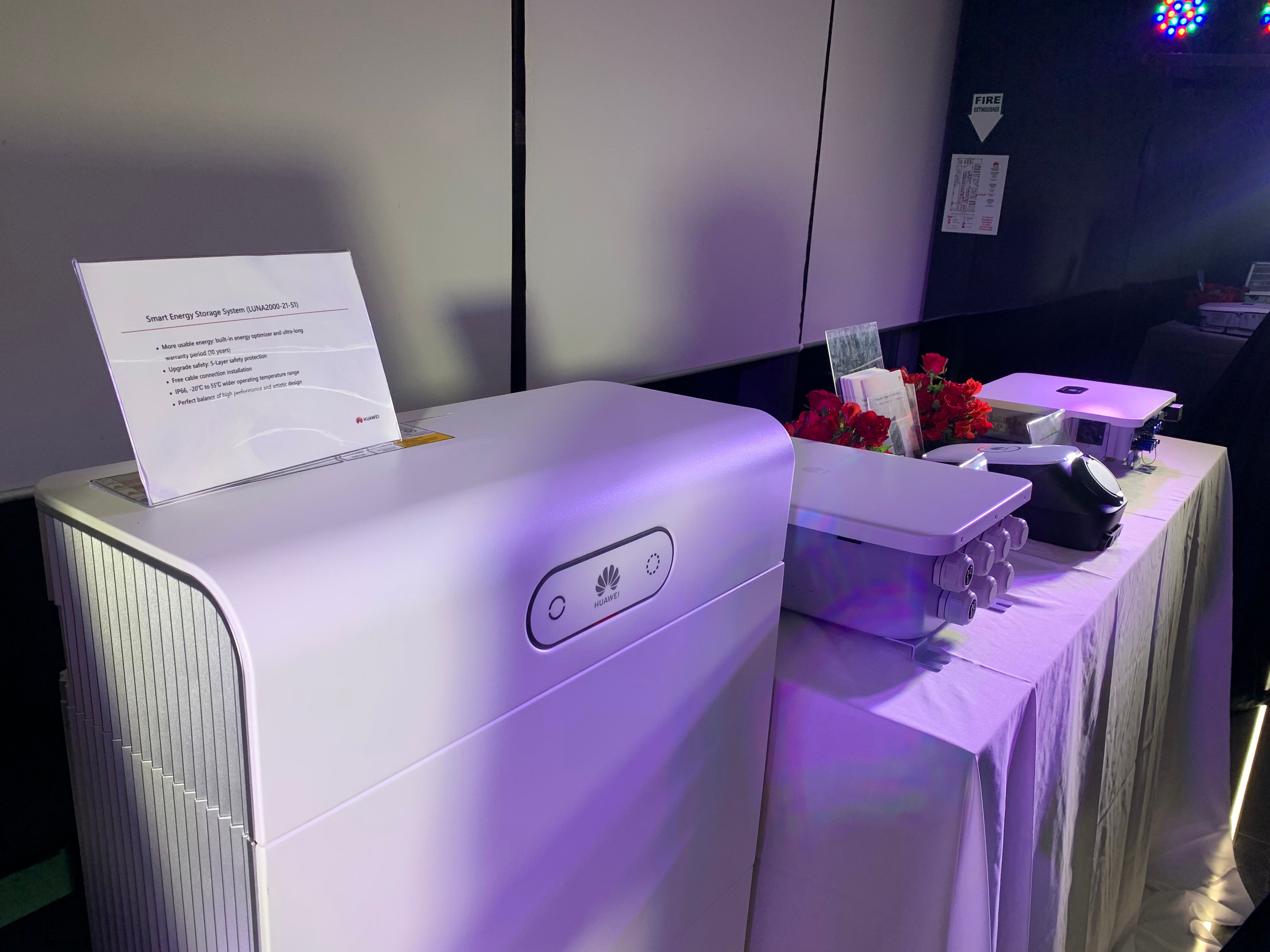
The company’s Smart Energy Storage System features a built-in energy optimizer and acts as a “big power bank” for the home. Meanwhile, Smart String ESS stores unused power during the day for nighttime use.
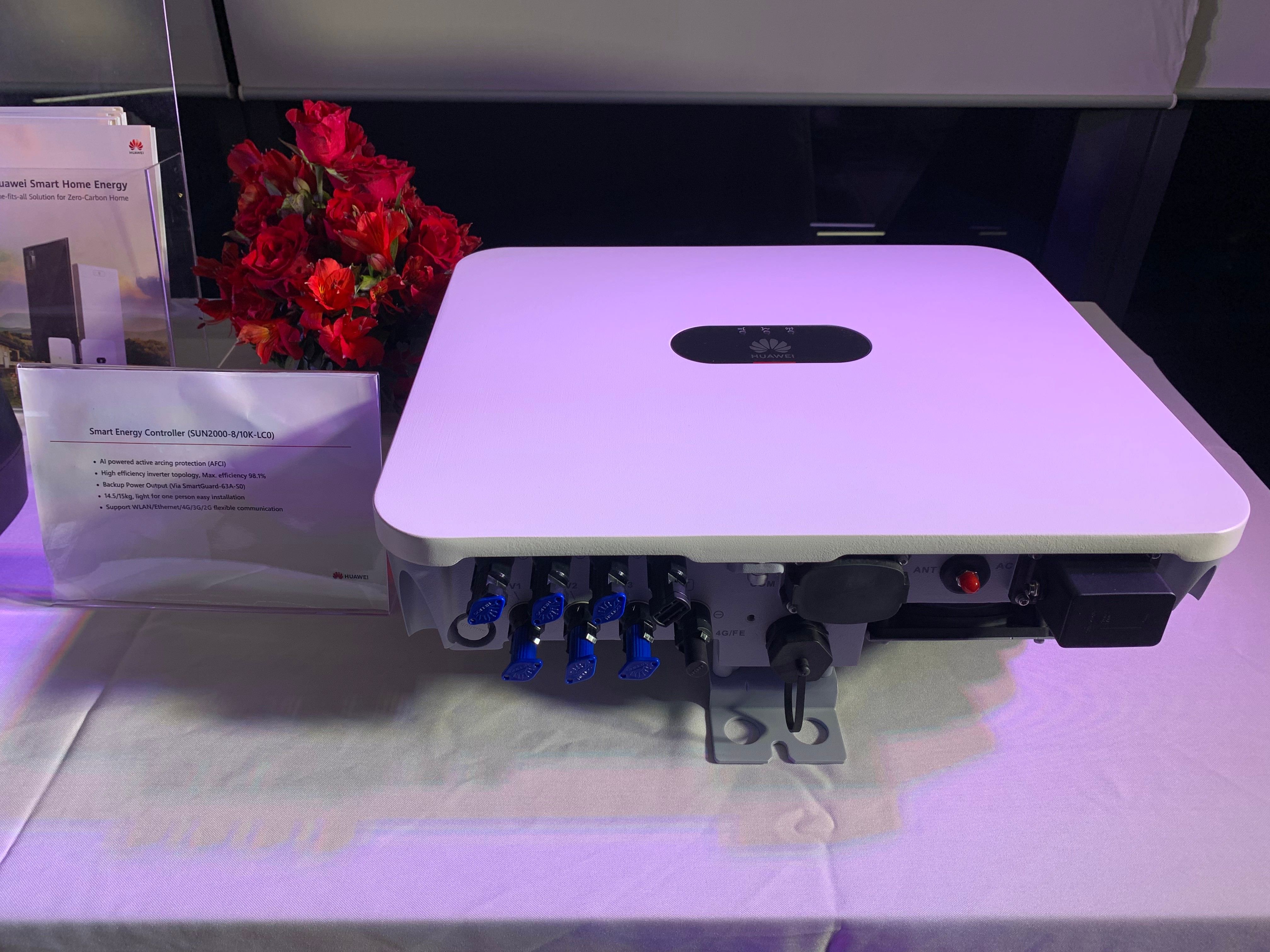
For convenience, the business has also launched Smart Energy Controller, an inverter that converts DC into AC for residential loads. In case of emergency, the inverter shuts down the roof assembly voltage quickly to 0V.
“Your home load will consume the solar first when it's not enough. Then, consume the power from the battery, and when the battery is running out, then you will ask the power from the grid to save your electricity bill,” Xie added.
The daily average power generation fluctuates between 90 and 110-kilowatt hours per day due to seasonal reasons but allows continuous electricity use without interruption.
Solar energy aligns with the Philippines' geographic location, allowing the country to bask in abundant sunlight. This means we have in our hands the power to shift to eco-friendly solutions and gradually transition away from carbon-dependent energy. After all, wouldn’t we want energy sources that are sustainable and gentle on the planet?