ADVERTISEMENT

Green engineering solutions eyed for mangroves restoration in Ilocos Norte

Published Aug 9, 2024 02:40 am

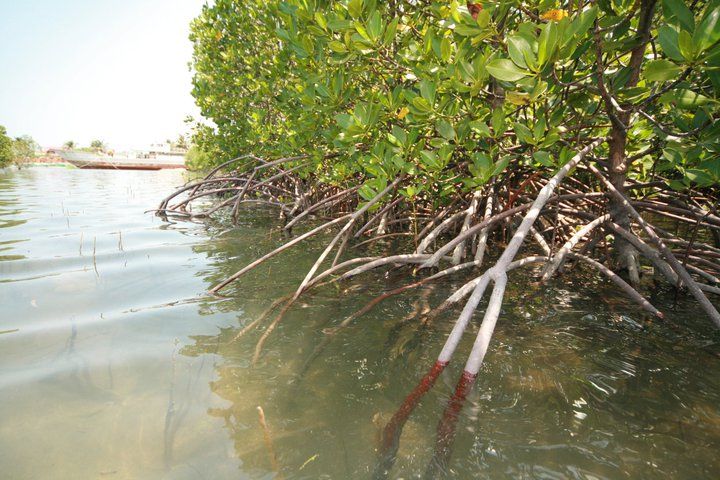
MANGROVES 1.jpeg

In response to the escalating threats of coastal erosion and extreme weather events in Ilocos Norte, a pioneering collaboration has been established between the Department of Science and Technology's Philippine Council for Agriculture, Aquatic and Natural Resources Research and Development (DOST-PCAARRD) and the Don Mariano Marcos State University (DMMSU). 


Launched in June 2024, this partnership seeks to bolster the resilience of mangrove ecosystems and protect vulnerable coastal communities through innovative green engineering methods.
 

Leading the initiative is Dr. Arlene Gonzales, a distinguished researcher at DMMSU. The project, titled "Nature-based Solutions for Sustainable Mangrove Management and Resilient Coastal Communities Through Innovative Green Engineering Approach," focuses on implementing green engineering strategies in select project sites. These efforts are aimed at ensuring that mangrove ecosystems not only survive but also thrive, offering natural protection against coastal hazards.


Mangroves are critical to coastal ecosystems, acting as natural barriers against storm surges, mitigating erosion, and supporting marine biodiversity. However, the success of mangrove restoration efforts is often challenged by poor hydrological conditions, which can hinder the growth of young mangrove propagules.


“Mangroves need a balance of fresh and salty water to thrive,” explains Dr. Gonzales. “If there’s too much saltwater or not enough fresh water, it can stress the young plants. It’s similar to how a garden plant needs the right amount of water—not too much and not too little.”


To address these challenges, Dr. Gonzales and her team are employing a range of green engineering solutions designed to create ideal conditions for mangrove growth while minimizing environmental impact. These nature-based approaches aim to protect the mangroves while ensuring that human interventions work in harmony with natural processes.
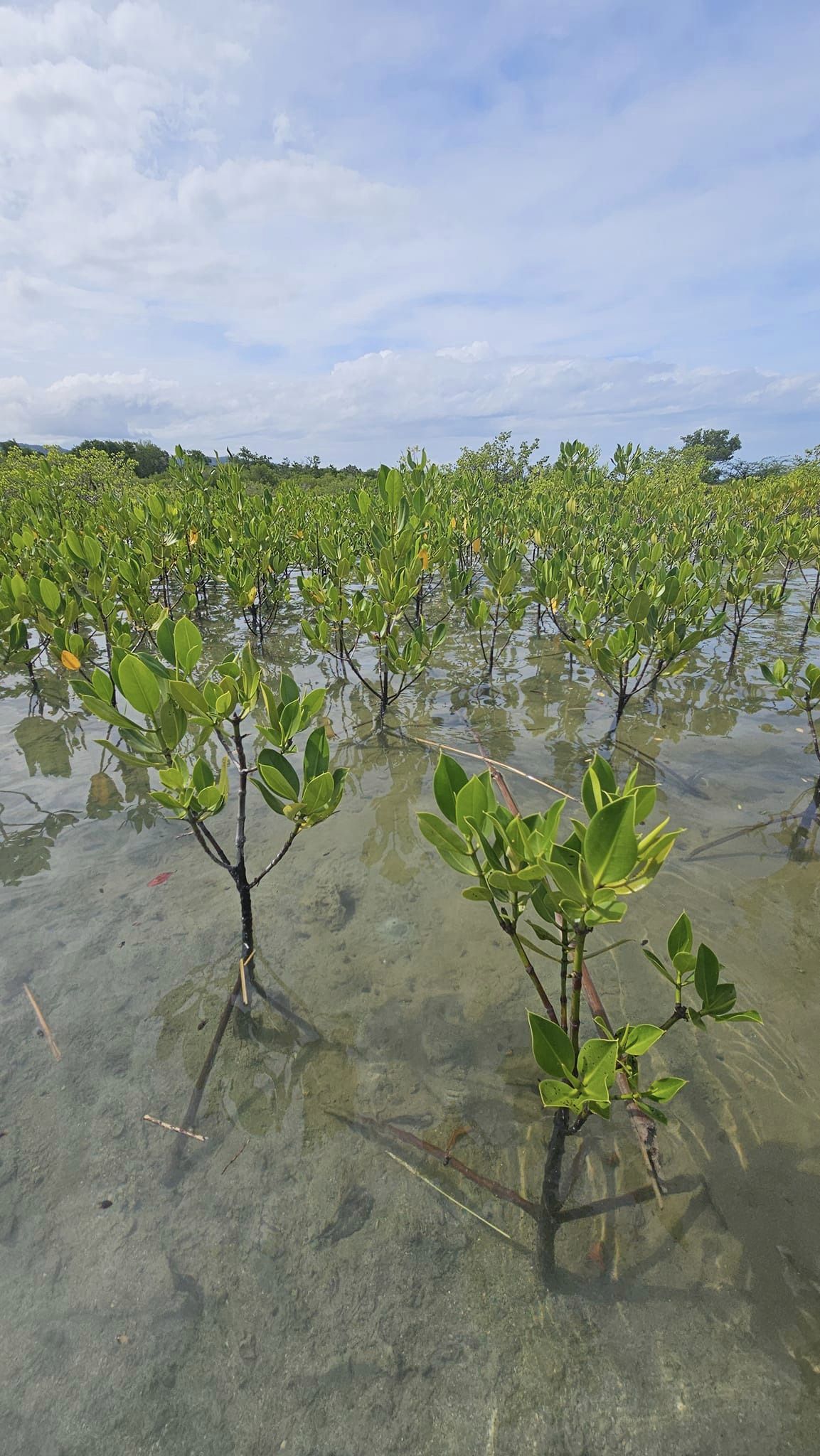
 

YOUNG MANGROVES.jpeg


One key strategy involves building permeable barriers using natural materials like bamboo and coconut fibers to reduce the impact of strong waves, which can hinder the establishment of young mangroves. Another approach focuses on restoring natural water flow patterns, often disrupted by construction or other human activities, by designing channels or culverts that ensure the right mix of fresh and saltwater reaches mangrove areas.


The project also prioritizes the use of biodegradable materials for anchors, supports, or temporary structures, which naturally break down over time, supporting young mangroves as they grow and then disappearing when no longer needed. In areas where natural conditions are insufficient for mangrove growth, artificial wetlands are being created to mimic natural mangrove habitats, trapping sediments, filtering water, and providing a suitable environment for mangroves to flourish.


In addition, the initiative emphasizes the importance of planting native mangrove species and other plants that naturally coexist with mangroves, helping to create a more resilient ecosystem that can support long-term mangrove growth. Crucially, the success of these restoration efforts hinges on the active involvement of local communities. Dr. Gonzales’s team is working closely with coastal communities to design, implement, and maintain the green engineering solutions, fostering a sense of ownership and ensuring the long-term sustainability of the restored ecosystems.


The collaboration between DOST-PCAARRD and DMMSU marks a significant advancement in addressing the challenges faced by coastal communities in Ilocos Norte. By leveraging green engineering techniques, the project enhances the resilience of mangrove ecosystems and offers a model for sustainable coastal management that can be replicated in other regions.


“By using green engineering solutions, we can create an environment where mangroves can grow and thrive naturally, supporting both the ecosystem and the communities that depend on them,” says Dr. Gonzales. “These approaches ensure that human interventions work with nature, rather than against it, to promote the health and resilience of mangrove forests.”


Director Noel A. Catibog of the DOST-PCAARRD’s Technology Transfer and Promotion Division underscores the project’s significance for the livelihood of local communities. Project Manager Analiza C. Diaz emphasizes the importance of a science-based approach in mangrove rehabilitation, noting that “past failures in mangrove cultivation were caused by a lack of new technologies. This time we’re using science to increase our chances of success.”


Supervising Research Specialist Yolanda M. Tanyag highlights the essential role of local government, the Department of Environment and Natural Resources, and local communities in the project’s success. Representatives from these sectors attended the project launch, signaling their support for the initiative, which is set to run until April 2026.


Related Tags

Agriculture sector Agriculture
ADVERTISEMENT
.most-popular .layout-ratio{ padding-bottom: 79.13%; } @media (min-width: 768px) and (max-width: 1024px) { .widget-title { font-size: 15px !important; } }

{{ articles_filter_1561_widget.title }}

.most-popular .layout-ratio{ padding-bottom: 79.13%; } @media (min-width: 768px) and (max-width: 1024px) { .widget-title { font-size: 15px !important; } }

{{ articles_filter_1562_widget.title }}

.most-popular .layout-ratio{ padding-bottom: 79.13%; } @media (min-width: 768px) and (max-width: 1024px) { .widget-title { font-size: 15px !important; } }

{{ articles_filter_1563_widget.title }}

{{ articles_filter_1564_widget.title }}

.mb-article-details { position: relative; } .mb-article-details .article-body-preview, .mb-article-details .article-body-summary{ font-size: 17px; line-height: 30px; font-family: "Libre Caslon Text", serif; color: #000; } .mb-article-details .article-body-preview iframe , .mb-article-details .article-body-summary iframe{ width: 100%; margin: auto; } .read-more-background { background: linear-gradient(180deg, color(display-p3 1.000 1.000 1.000 / 0) 13.75%, color(display-p3 1.000 1.000 1.000 / 0.8) 30.79%, color(display-p3 1.000 1.000 1.000) 72.5%); position: absolute; height: 200px; width: 100%; bottom: 0; display: flex; justify-content: center; align-items: center; padding: 0; } .read-more-background a{ color: #000; } .read-more-btn { padding: 17px 45px; font-family: Inter; font-weight: 700; font-size: 18px; line-height: 16px; text-align: center; vertical-align: middle; border: 1px solid black; background-color: white; } .hidden { display: none; }
function initializeAllSwipers() { // Get all hidden inputs with cms_article_id document.querySelectorAll('[id^="cms_article_id_"]').forEach(function (input) { const cmsArticleId = input.value; const articleSelector = '#article-' + cmsArticleId + ' .body_images'; const swiperElement = document.querySelector(articleSelector); if (swiperElement && !swiperElement.classList.contains('swiper-initialized')) { new Swiper(articleSelector, { loop: true, pagination: false, navigation: { nextEl: '#article-' + cmsArticleId + ' .swiper-button-next', prevEl: '#article-' + cmsArticleId + ' .swiper-button-prev', }, }); } }); } setTimeout(initializeAllSwipers, 3000); const intersectionObserver = new IntersectionObserver( (entries) => { entries.forEach((entry) => { if (entry.isIntersecting) { const newUrl = entry.target.getAttribute("data-url"); if (newUrl) { history.pushState(null, null, newUrl); let article = entry.target; // Extract metadata const author = article.querySelector('.author-section').textContent.replace('By', '').trim(); const section = article.querySelector('.section-info ').textContent.replace(' ', ' '); const title = article.querySelector('.article-title h1').textContent; // Parse URL for Chartbeat path format const parsedUrl = new URL(newUrl, window.location.origin); const cleanUrl = parsedUrl.host + parsedUrl.pathname; // Update Chartbeat configuration if (typeof window._sf_async_config !== 'undefined') { window._sf_async_config.path = cleanUrl; window._sf_async_config.sections = section; window._sf_async_config.authors = author; } // Track virtual page view with Chartbeat if (typeof pSUPERFLY !== 'undefined' && typeof pSUPERFLY.virtualPage === 'function') { try { pSUPERFLY.virtualPage({ path: cleanUrl, title: title, sections: section, authors: author }); } catch (error) { console.error('ping error', error); } } // Optional: Update document title if (title && title !== document.title) { document.title = title; } } } }); }, { threshold: 0.1 } ); function showArticleBody(button) { const article = button.closest("article"); const summary = article.querySelector(".article-body-summary"); const body = article.querySelector(".article-body-preview"); const readMoreSection = article.querySelector(".read-more-background"); // Hide summary and read-more section summary.style.display = "none"; readMoreSection.style.display = "none"; // Show the full article body body.classList.remove("hidden"); } document.addEventListener("DOMContentLoaded", () => { let loadCount = 0; // Track how many times articles are loaded const offset = [1, 2, 3, 4, 5, 6, 7, 8, 9, 10]; // Offset values const currentUrl = window.location.pathname.substring(1); let isLoading = false; // Prevent multiple calls if (!currentUrl) { console.log("Current URL is invalid."); return; } const sentinel = document.getElementById("load-more-sentinel"); if (!sentinel) { console.log("Sentinel element not found."); return; } function isSentinelVisible() { const rect = sentinel.getBoundingClientRect(); return ( rect.top < window.innerHeight && rect.bottom >= 0 ); } function onScroll() { if (isLoading) return; if (isSentinelVisible()) { if (loadCount >= offset.length) { console.log("Maximum load attempts reached."); window.removeEventListener("scroll", onScroll); return; } isLoading = true; const currentOffset = offset[loadCount]; window.loadMoreItems().then(() => { let article = document.querySelector('#widget_1690 > div:nth-last-of-type(2) article'); intersectionObserver.observe(article) loadCount++; }).catch(error => { console.error("Error loading more items:", error); }).finally(() => { isLoading = false; }); } } window.addEventListener("scroll", onScroll); });

Sign up by email to receive news.