

ADVERTISEMENT

A sturdy smartphone that won't break the bank

Published Aug 9, 2024 10:31 am


OPPO A60 (1).jpg


Nowadays we use our smartphones for just about everything.  We use them to stay connected with loved ones, manage our finances and work.  But with our complicated, fast-paced busy lives, can your phone keep up with you?  

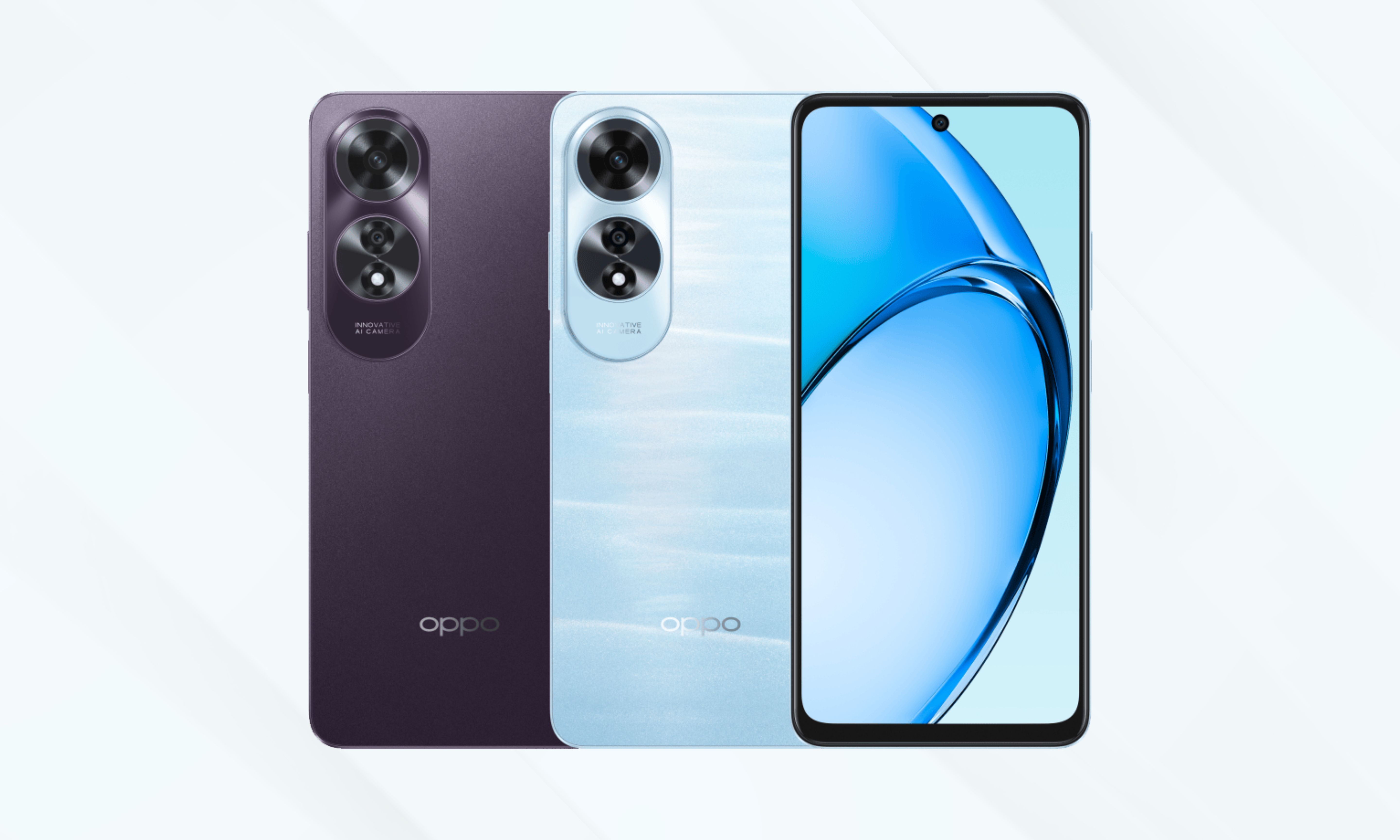
Imagine the frustration of juggling work emails, video calls and social media on a slow phone.  It's time-consuming and can be really stressful.  That is why having a smartphone that is as fast-paced as we are is so important. We need a smartphone that can handle multiple tasks without slowing down, reliable batteries that last all day, and a durable build that can withstand the inevitable bumps and drops - that is why we need the OPPO A60.
 

The OPPO A60 boasts a Qualcomm Snapdragon 680 processor, ensuring smooth and efficient performance, even with multiple apps running simultaneously.  Its 5000mAh energy-efficient battery, coupled with 45W SUPERVOOC Flash Charge, means you can spend less time tethered to an outlet and more time doing what you have to do.  Smart charging technology further optimizes battery life, extending its lifespan for long-term performance.

Mishaps happen; sometimes more often than we expect.  One moment you are leisurely strolling and the next, your phone slips from your hand and hits the pavement.  Or probably a sudden downpour while crossing the street and your device gets wet.  Life is truly full of unexpected twists and turns which is why it is important to have a device that can withstand the hustle and bustle of daily life. 

One standout feature of the OPPO A60 is its sturdiness.  Accidental drops and unexpected splash of water or oil won't break this smartphone down.  The OPPO A60 features a military-grade shock resistance, Splash Touch feature and IP54 rating.  It can withstand falls from as high as 1.22 meters and can withstand 10 minutes of exposure to rain.  It even remains responsive even when hands get wet.

Beyond durability, the OPPO A60 boasts a sleek and lightweight design.  Its ultra-slim body fits comfortably in your hand.  It comes in a 6.67-inch LCD display with 90Hz refresh rate and an impressive 950nits of peak brightness.  

The OPPO A60 sports a 50MP main camera and a 2MP secondary camera for stunning photos and selfies.  Show off your best angles with the 8MP selfie camera featuring AI retouching for flawless portraits.

And so, if you are looking for a high-performance smartphone without the premium price tag, why not consider the OPPO A60? It's available in two variants: 8GB + 128GB and 8GB + 256GB.


ADVERTISEMENT
.most-popular .layout-ratio{ padding-bottom: 79.13%; } @media (min-width: 768px) and (max-width: 1024px) { .widget-title { font-size: 15px !important; } }

{{ articles_filter_1561_widget.title }}

.most-popular .layout-ratio{ padding-bottom: 79.13%; } @media (min-width: 768px) and (max-width: 1024px) { .widget-title { font-size: 15px !important; } }

{{ articles_filter_1562_widget.title }}

.most-popular .layout-ratio{ padding-bottom: 79.13%; } @media (min-width: 768px) and (max-width: 1024px) { .widget-title { font-size: 15px !important; } }

{{ articles_filter_1563_widget.title }}

{{ articles_filter_1564_widget.title }}

.mb-article-details { position: relative; } .mb-article-details .article-body-preview, .mb-article-details .article-body-summary{ font-size: 17px; line-height: 30px; font-family: "Libre Caslon Text", serif; color: #000; } .mb-article-details .article-body-preview iframe , .mb-article-details .article-body-summary iframe{ width: 100%; margin: auto; } .read-more-background { background: linear-gradient(180deg, color(display-p3 1.000 1.000 1.000 / 0) 13.75%, color(display-p3 1.000 1.000 1.000 / 0.8) 30.79%, color(display-p3 1.000 1.000 1.000) 72.5%); position: absolute; height: 200px; width: 100%; bottom: 0; display: flex; justify-content: center; align-items: center; padding: 0; } .read-more-background a{ color: #000; } .read-more-btn { padding: 17px 45px; font-family: Inter; font-weight: 700; font-size: 18px; line-height: 16px; text-align: center; vertical-align: middle; border: 1px solid black; background-color: white; } .hidden { display: none; }
function initializeAllSwipers() { // Get all hidden inputs with cms_article_id document.querySelectorAll('[id^="cms_article_id_"]').forEach(function (input) { const cmsArticleId = input.value; const articleSelector = '#article-' + cmsArticleId + ' .body_images'; const swiperElement = document.querySelector(articleSelector); if (swiperElement && !swiperElement.classList.contains('swiper-initialized')) { new Swiper(articleSelector, { loop: true, pagination: false, navigation: { nextEl: '#article-' + cmsArticleId + ' .swiper-button-next', prevEl: '#article-' + cmsArticleId + ' .swiper-button-prev', }, }); } }); } setTimeout(initializeAllSwipers, 3000); const intersectionObserver = new IntersectionObserver( (entries) => { entries.forEach((entry) => { if (entry.isIntersecting) { const newUrl = entry.target.getAttribute("data-url"); if (newUrl) { history.pushState(null, null, newUrl); let article = entry.target; // Extract metadata const author = article.querySelector('.author-section').textContent.replace('By', '').trim(); const section = article.querySelector('.section-info ').textContent.replace(' ', ' '); const title = article.querySelector('.article-title h1').textContent; // Parse URL for Chartbeat path format const parsedUrl = new URL(newUrl, window.location.origin); const cleanUrl = parsedUrl.host + parsedUrl.pathname; // Update Chartbeat configuration if (typeof window._sf_async_config !== 'undefined') { window._sf_async_config.path = cleanUrl; window._sf_async_config.sections = section; window._sf_async_config.authors = author; } // Track virtual page view with Chartbeat if (typeof pSUPERFLY !== 'undefined' && typeof pSUPERFLY.virtualPage === 'function') { try { pSUPERFLY.virtualPage({ path: cleanUrl, title: title, sections: section, authors: author }); } catch (error) { console.error('ping error', error); } } // Optional: Update document title if (title && title !== document.title) { document.title = title; } } } }); }, { threshold: 0.1 } ); function showArticleBody(button) { const article = button.closest("article"); const summary = article.querySelector(".article-body-summary"); const body = article.querySelector(".article-body-preview"); const readMoreSection = article.querySelector(".read-more-background"); // Hide summary and read-more section summary.style.display = "none"; readMoreSection.style.display = "none"; // Show the full article body body.classList.remove("hidden"); } document.addEventListener("DOMContentLoaded", () => { let loadCount = 0; // Track how many times articles are loaded const offset = [1, 2, 3, 4, 5, 6, 7, 8, 9, 10]; // Offset values const currentUrl = window.location.pathname.substring(1); let isLoading = false; // Prevent multiple calls if (!currentUrl) { console.log("Current URL is invalid."); return; } const sentinel = document.getElementById("load-more-sentinel"); if (!sentinel) { console.log("Sentinel element not found."); return; } function isSentinelVisible() { const rect = sentinel.getBoundingClientRect(); return ( rect.top < window.innerHeight && rect.bottom >= 0 ); } function onScroll() { if (isLoading) return; if (isSentinelVisible()) { if (loadCount >= offset.length) { console.log("Maximum load attempts reached."); window.removeEventListener("scroll", onScroll); return; } isLoading = true; const currentOffset = offset[loadCount]; window.loadMoreItems().then(() => { let article = document.querySelector('#widget_1690 > div:nth-last-of-type(2) article'); intersectionObserver.observe(article) loadCount++; }).catch(error => { console.error("Error loading more items:", error); }).finally(() => { isLoading = false; }); } } window.addEventListener("scroll", onScroll); });

Sign up by email to receive news.