






 Philippines
National
DENR urged to revoke over 20 environmental permits of reclamation projects in Manila Bay
Philippines
National
DENR urged to revoke over 20 environmental permits of reclamation projects in Manila Bay
DENR urged to revoke over 20 environmental permits of reclamation projects in Manila Bay
By Jel Santos


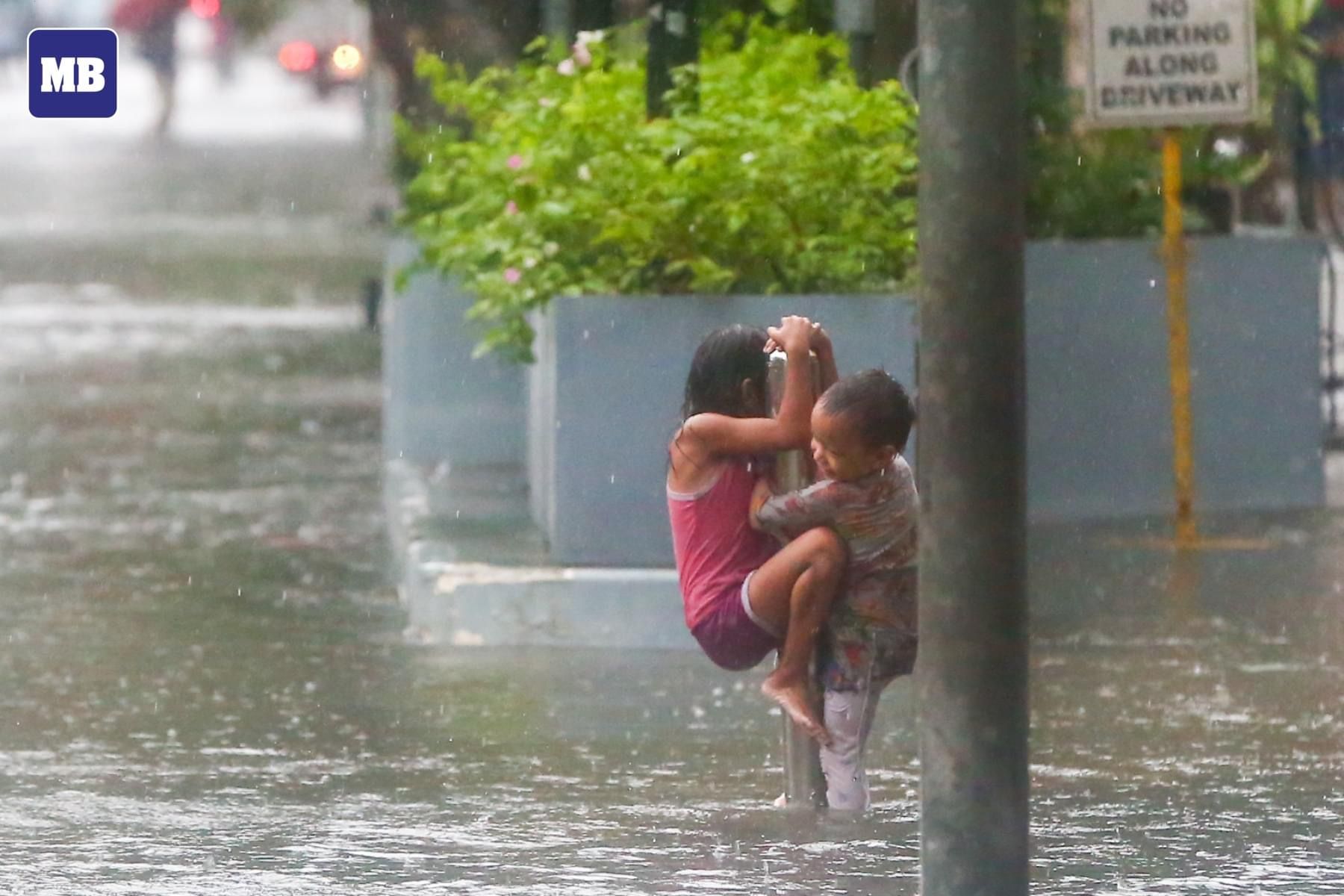
Underscoring that reclamation negatively impacts natural waterways and causes intense flooding, progressive fisherfolk group Pambansang Lakas ng Kilusang Mamamamalakaya ng Pilipinas (Pamalakaya) on Saturday, Aug. 3, called on the Department of Environment and Natural Resources (DENR) to revoke the environmental permits of more than 20 reclamation projects in Manila Bay.
During a Senate inquiry last August 1, DENR Secretary Maria Antonia “Toni’ Yulo-Loygaza said reclamation activities negatively affect natural waterways, adding that reclamation projects slow down the flow of water.
Pamalakaya stated that reclamation not only undermines socio-economic rights, but also increases the risk to communities, making them more susceptible to climate change effects such as sea-level rise, severe flooding, and storm surges.
Pamalakaya Vice Chairperson Ronnel Arambulo said the harmful effects of reclamation projects are irrefutable, and are impacting the livelihoods of fishermen as well as the general public.
“Hindi naging palaisipan para sa maraming binaha ng Bagyong Carina at Habagat na reklamasyon ang sanhi ng biglaang paglubog ng kalakhang Metro Manila at karatig-probinsya na nakapaligid sa Manila Bay. Kaya wala nang batayan para magpatuloy pa ang mga ganitong proyekto (It was no mystery to many who were flooded by Typhoon Carina and the southwest monsoon that reclamation was the cause of the sudden inundation of Metro Manila and the surrounding provinces around Manila Bay. Therefore, there is no justification for continuing these projects),” he said in a statement.
The DENR, Arambulo said, bears considerable responsibility since Pamalakaya has repeatedly called for the cancellation of the environmental permits for the 22 reclamation projects in Manila Bay.
“Pinayagan pa ngang makapagpatuloy ang ilang reklamasyon sa Metro Manila sa kabila ng kautusang suspendihin lahat ng proyekto habang nagsasagawa ng masusing pag-aaral ang ahensya ( Some reclamation projects in Metro Manila were even allowed to continue despite the order to suspend all projects while the agency conducts a thorough study),” said Pamalakaya.
The Manila Bulletin has already sought the side of the DENR, but the agency has yet to issue a statement.
The fishers’ group said it was not satisfied with Loyzaga's brief statement on the negative effects of reclamation.
“Matagal nang napatunayan at alam ng malawak na publiko ito. Ang higit na kailangan ngayon ay kapasyahang ipatigil ang lahat ng reklamasyon at dredging sa Manila Bay. Ano pa ba ang pumipigil kay secretary Yulo-Loyzaga para agarang repasuhin ang ECC ng mga mapaminsalang proyekto (It has long been proven and widely known by the public. What is needed now is decisive action to stop all reclamation and dredging in Manila Bay. What is still preventing Secretary Yulo-Loyzaga from immediately reviewing the ECCs of these damaging projects)?”
Pamalakaya Chairperson Fernando Hicap, referencing geological experts' findings, stated earlier that they are "certain that these reclamation projects have exacerbated flooding in the northern part of Manila Bay."
“It can be recalled that it was no less than the renowned geologist Dr. Kelvin Rodolfo who raised the geophysical hazards of specific reclamation projects in Manila Bay,” he stated.
“Dr. Rodolfo has identified three geological hazards of reclamation that are relevant to the country’s situation; namely, the danger of land subsidence, danger of storm surge and strong waves caused by typhoons, and danger from seismically induced liquefaction,” he went on.
In October 2023, Loyzaga said the agency’s review of the 22 reclamation projects in Manila Bay was expected to be compeletd "very soon.”
The review was part of President Marcos' order in May this year to suspend all reclamation projects in Manila Bay amid concerns about their environmental impact.
Several environmental organizations have pressured the DENR to cease reclamation projects in Manila Bay, pointing to the possible severe and lasting environmental consequences.