

ADVERTISEMENT

Philippines achieves major milestone in digital payments as technology accelerates cashless adoption

BSP reports digital payment transactions soar to 52.8% in 2023, surpassing targets amidst rising cybersecurity challenges; PSBank enhances mobile app for secure and personalized banking

Published Aug 30, 2024 01:22 am

At A Glance

  • Digital payment transactions in the Philippines increased to 52.8% in 2023, exceeding the BSP's target of 50%.
  • Cash usage has dropped to 87% in 2024, down from 96% in 2022, as more Filipinos prefer cashless payments.
  • The rapid shift to digital banking has heightened concerns about cybersecurity, including threats like identity theft and phishing scams.
  • PSBank has implemented enhanced security features, such as two-factor authentication, account monitoring, and ATM card lock/unlock options.
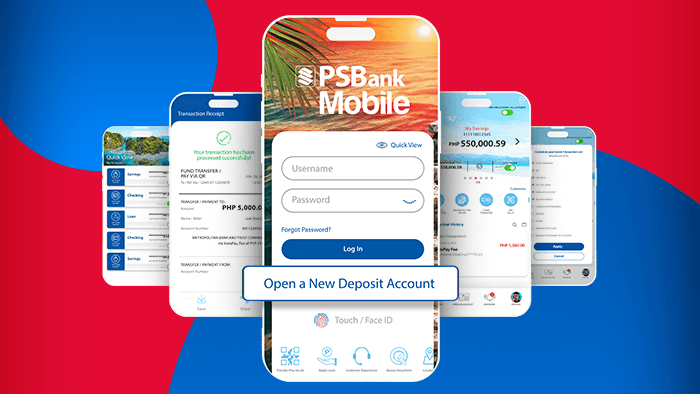
  • The new PSBank Mobile app offers a more personalized and secure banking experience, with features like customizable interfaces and easy access to account and loan information.
PSBank_Image.png


Digital transactions in the Philippines have reached a new milestone. The Bangko Sentral ng Pilipinas (BSP) reported a rise in digital payment transactions from 42.1% in 2022 to 52.8% in 2023. This surge has exceeded the BSP's target of digitalizing 50% of payment volumes as part of its Digital Payments Transformation Roadmap 2018-2023.


The convenience and accessibility of mobile apps and online banking have made cashless transactions the preferred payment method for many Filipinos. According to the Visa Consumer Payment Attitudes Study (2024), cash usage has declined to 87%, down from 96% in 2022, as consumer habits increasingly favor cashless payments.

However, this rapid shift towards digital banking brings its own challenges, particularly in security.

Navigating online services can be daunting for individuals new to digital banking, increasing their vulnerability to cyber threats. This underscores the importance of education and robust security measures.

Cybersecurity threats like identity theft, phishing scams, and fraud are prevalent concerns in digital banking. Phishing, in particular, remains a significant threat, as cybercriminals use misleading websites and emails to steal personal information and compromise financial data.

To combat these threats, banks continually update their security measures to ensure safe mobile banking, implementing features like two-factor authentication, account monitoring, biometric authentication, and strong password policies.

Philippine Savings Bank (PSBank) reinforces its commitment to security by empowering users with greater control over their online banking experience. PSBank clients can lock access to their accounts on platforms they don't usually use, ensuring that access to their PSBank accounts is restricted to their preferred and regularly utilized channels. Additionally, PSBank users can lock or unlock their ATM cards, offering an extra layer of security against unauthorized transactions.

The new PSBank Mobile app simplifies banking for users, whether they are new account holders or long-time clients. The app's upgrades introduce a more user-friendly interface, allowing users to customize their home screen with a comprehensive or single account view, save and share transaction receipts, and access detailed loan account information. With PSBank Mobile, clients can easily open a time deposit account, apply for new loans, and even deposit checks. The enhanced app also features a customizable display of frequently used options, offering a personalized banking experience complemented by vibrant images of iconic Philippine destinations.

PSBank is committed to promoting financial inclusion by making banking accessible to everyone. The bank has simplified its account opening process to make it easier for Filipinos to start their banking journey. With minimal requirements of one valid ID and a selfie, individuals can open a PSBank account through PSBank Mobile and get an ATM card for free.

ADVERTISEMENT
.most-popular .layout-ratio{ padding-bottom: 79.13%; } @media (min-width: 768px) and (max-width: 1024px) { .widget-title { font-size: 15px !important; } }

{{ articles_filter_1561_widget.title }}

.most-popular .layout-ratio{ padding-bottom: 79.13%; } @media (min-width: 768px) and (max-width: 1024px) { .widget-title { font-size: 15px !important; } }

{{ articles_filter_1562_widget.title }}

.most-popular .layout-ratio{ padding-bottom: 79.13%; } @media (min-width: 768px) and (max-width: 1024px) { .widget-title { font-size: 15px !important; } }

{{ articles_filter_1563_widget.title }}

{{ articles_filter_1564_widget.title }}

.mb-article-details { position: relative; } .mb-article-details .article-body-preview, .mb-article-details .article-body-summary{ font-size: 17px; line-height: 30px; font-family: "Libre Caslon Text", serif; color: #000; } .mb-article-details .article-body-preview iframe , .mb-article-details .article-body-summary iframe{ width: 100%; margin: auto; } .read-more-background { background: linear-gradient(180deg, color(display-p3 1.000 1.000 1.000 / 0) 13.75%, color(display-p3 1.000 1.000 1.000 / 0.8) 30.79%, color(display-p3 1.000 1.000 1.000) 72.5%); position: absolute; height: 200px; width: 100%; bottom: 0; display: flex; justify-content: center; align-items: center; padding: 0; } .read-more-background a{ color: #000; } .read-more-btn { padding: 17px 45px; font-family: Inter; font-weight: 700; font-size: 18px; line-height: 16px; text-align: center; vertical-align: middle; border: 1px solid black; background-color: white; } .hidden { display: none; }
function initializeAllSwipers() { // Get all hidden inputs with cms_article_id document.querySelectorAll('[id^="cms_article_id_"]').forEach(function (input) { const cmsArticleId = input.value; const articleSelector = '#article-' + cmsArticleId + ' .body_images'; const swiperElement = document.querySelector(articleSelector); if (swiperElement && !swiperElement.classList.contains('swiper-initialized')) { new Swiper(articleSelector, { loop: true, pagination: false, navigation: { nextEl: '#article-' + cmsArticleId + ' .swiper-button-next', prevEl: '#article-' + cmsArticleId + ' .swiper-button-prev', }, }); } }); } setTimeout(initializeAllSwipers, 3000); const intersectionObserver = new IntersectionObserver( (entries) => { entries.forEach((entry) => { if (entry.isIntersecting) { const newUrl = entry.target.getAttribute("data-url"); if (newUrl) { history.pushState(null, null, newUrl); let article = entry.target; // Extract metadata const author = article.querySelector('.author-section').textContent.replace('By', '').trim(); const section = article.querySelector('.section-info ').textContent.replace(' ', ' '); const title = article.querySelector('.article-title h1').textContent; // Parse URL for Chartbeat path format const parsedUrl = new URL(newUrl, window.location.origin); const cleanUrl = parsedUrl.host + parsedUrl.pathname; // Update Chartbeat configuration if (typeof window._sf_async_config !== 'undefined') { window._sf_async_config.path = cleanUrl; window._sf_async_config.sections = section; window._sf_async_config.authors = author; } // Track virtual page view with Chartbeat if (typeof pSUPERFLY !== 'undefined' && typeof pSUPERFLY.virtualPage === 'function') { try { pSUPERFLY.virtualPage({ path: cleanUrl, title: title, sections: section, authors: author }); } catch (error) { console.error('ping error', error); } } // Optional: Update document title if (title && title !== document.title) { document.title = title; } } } }); }, { threshold: 0.1 } ); function showArticleBody(button) { const article = button.closest("article"); const summary = article.querySelector(".article-body-summary"); const body = article.querySelector(".article-body-preview"); const readMoreSection = article.querySelector(".read-more-background"); // Hide summary and read-more section summary.style.display = "none"; readMoreSection.style.display = "none"; // Show the full article body body.classList.remove("hidden"); } document.addEventListener("DOMContentLoaded", () => { let loadCount = 0; // Track how many times articles are loaded const offset = [1, 2, 3, 4, 5, 6, 7, 8, 9, 10]; // Offset values const currentUrl = window.location.pathname.substring(1); let isLoading = false; // Prevent multiple calls if (!currentUrl) { console.log("Current URL is invalid."); return; } const sentinel = document.getElementById("load-more-sentinel"); if (!sentinel) { console.log("Sentinel element not found."); return; } function isSentinelVisible() { const rect = sentinel.getBoundingClientRect(); return ( rect.top < window.innerHeight && rect.bottom >= 0 ); } function onScroll() { if (isLoading) return; if (isSentinelVisible()) { if (loadCount >= offset.length) { console.log("Maximum load attempts reached."); window.removeEventListener("scroll", onScroll); return; } isLoading = true; const currentOffset = offset[loadCount]; window.loadMoreItems().then(() => { let article = document.querySelector('#widget_1690 > div:nth-last-of-type(2) article'); intersectionObserver.observe(article) loadCount++; }).catch(error => { console.error("Error loading more items:", error); }).finally(() => { isLoading = false; }); } } window.addEventListener("scroll", onScroll); });

Sign up by email to receive news.