






 Environment and Sustainability
How Reese Fernandez-Ruiz puts the action in circular fashion
Environment and Sustainability
How Reese Fernandez-Ruiz puts the action in circular fashion
How Reese Fernandez-Ruiz puts the action in circular fashion
Rags2Riches knits an eco-friendly story for indigenous weavers
By Mat Richter


In a startling projection for 2050, the UN Environment Programme anticipates that the fast fashion industry could consume a quarter of the world's carbon budget by 2050. This foresight poses a serious threat to the environment and prompts the need for fashion to reach a circular status. It is achieved by using fewer resources in production, designing items to be recyclable and reusable, and ensuring products are used for as long as possible.
Despite the grim prospect, a lady teaching in the poor neighborhoods of Payatas saw hope in women and children scavenging fabric scraps to weave into rugs. Although the rugs were sold on the streets, they left workers with only 20 cents a day. Reese Fernandez-Ruiz, in turn, founded Rags2Riches (R2R) in 2007 to find markets for their handwoven products and contribute to achieving a sustainable planet.

Fashionable and sustainable
Ruiz admits fashion was not part of her dreams growing up. Exposed to poverty early on, she saw it as a career only for those with the privilege to study abroad.
"When R2R started and pivoted almost immediately from rugs to fashion, I felt incredibly insecure and inadequate. But looking back, maybe it was a good thing that I knew almost nothing about fashion. Knowing nothing, and knowing it, fosters humility that is the perfect breeding ground for learning," she said.
The entrepreneur then began partnering with local designers such as Rajo Laurel and Amina Aranaz-Alunan to create fashionable pieces from the weaves of women who no longer have to sell rugs on the street.
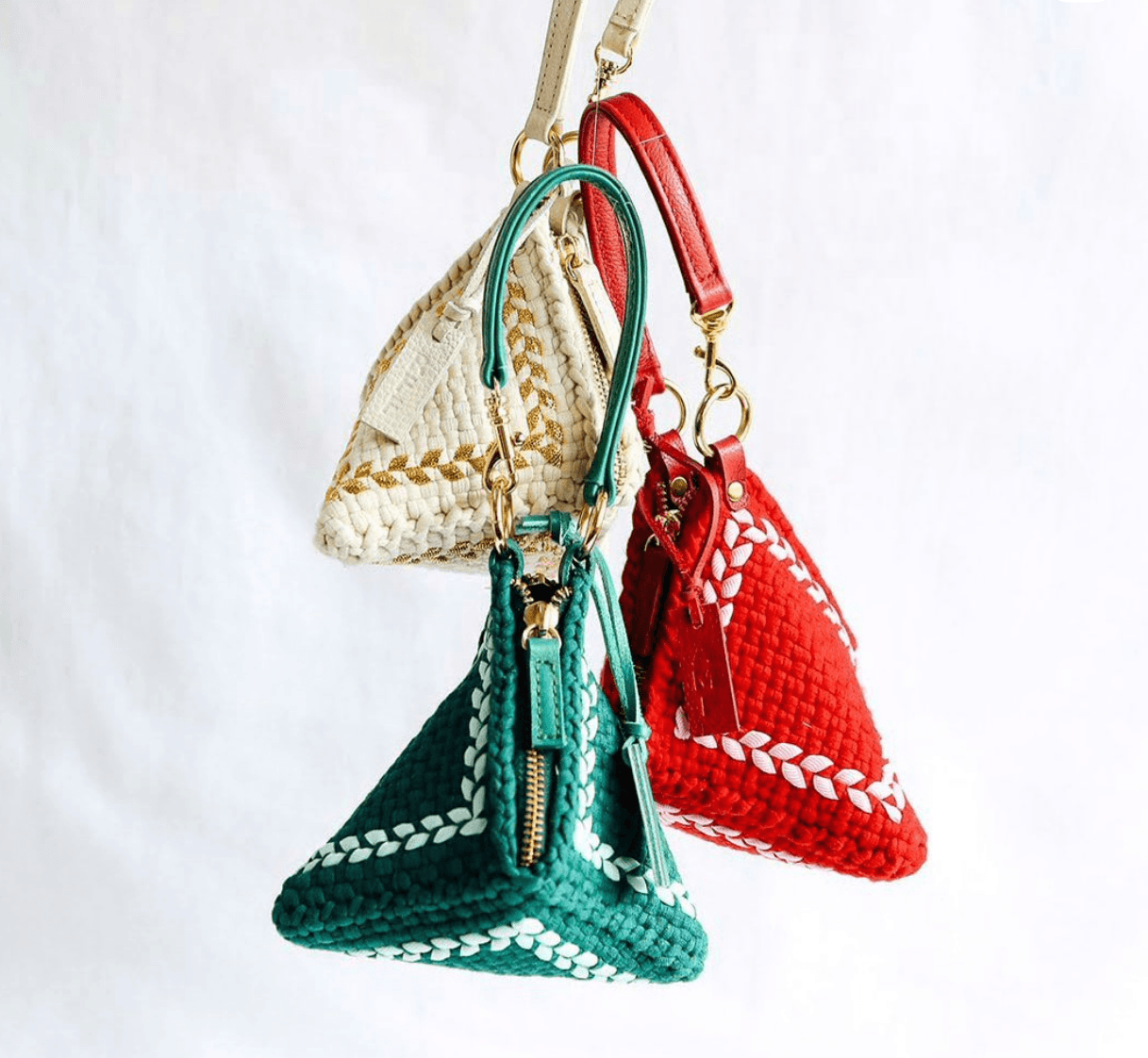
“I loved our very first products even when the weaving was not yet perfect and we did not have the capabilities yet to add gussets or linings or pockets. And as R2R was finding its design voice, I was defining mine too,” she expressed.
Ruiz credits her craft to her missionary mother, who greatly influenced her values, social upbringing, and creation of R2R.
Achieving a circular economy
R2R upcycles tons of pre-production deadstock fabric while sourcing eco-friendly materials throughout the supply chain. In 2023, it upcycled 12,350 kilograms of textile waste, or those that were factory rejects and overstocked over the years, and provided livelihoods to 78 urban artisans.
“We have had amazing design partners through the years who worked with what we were capable of and in effect placed stepping stones in front of us. Our artisans benefitted the most from these as they pushed their own boundaries and got even better over time,” said Ruiz.
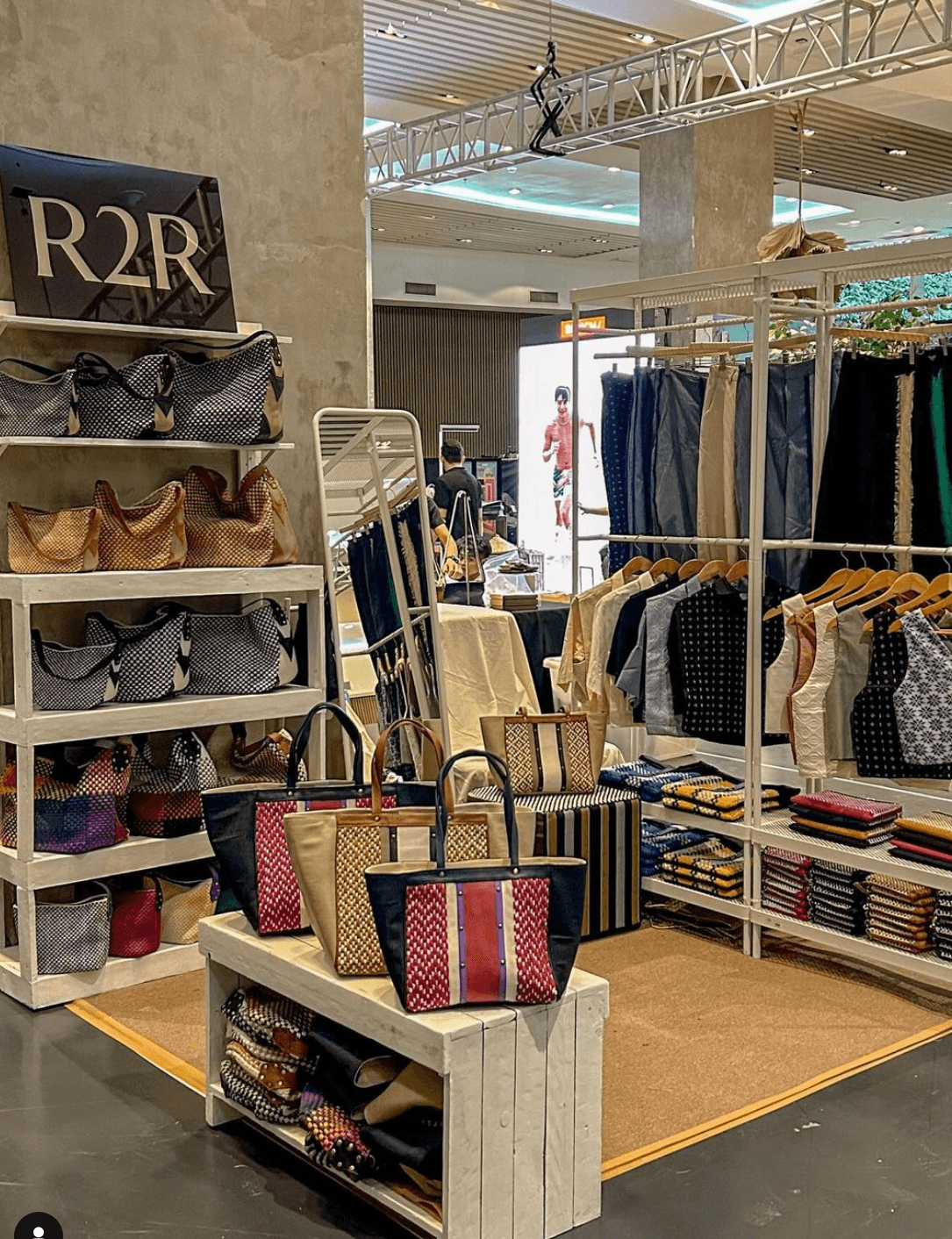
The company's collections often feature handcrafted indigenous textiles and carved wood, including the Balai Kamay, Mangyan Ramit, Binakol, and T'nalak.
“Today, we are a fashion and design house empowering community artisans from the Philippines. We travel the world, represent the country in global stages, and create positive impact in the lives of hundreds of artisans from local communities,” she added.
R2R’s commitment to sustainability helps prove that a ray of light in grim situations is enough to spark hope and prompt movement. Paired with collective action, this dedication to aiding the planet becomes more powerful, with women and indigenous communities leading the change.
Achieving circular fashion may be a long way off, but it is a needed step for humans to be more eco-friendly and mindful when consuming the Earth's finite resources. After all, wouldn't you want to be both stylish and sustainable?