

ADVERTISEMENT

Pilita Corrales turns 85

Published Aug 21, 2024 06:06 am

At A Glance

  • Now semi-retired from performing, Pilita observes her 85th birthday with her family, treasuring the quiet moments when she can look back at the beautiful memories of her incredible career.
viber_image_2024-08-20_15-11-36-993.jpg
Pilita Corrales

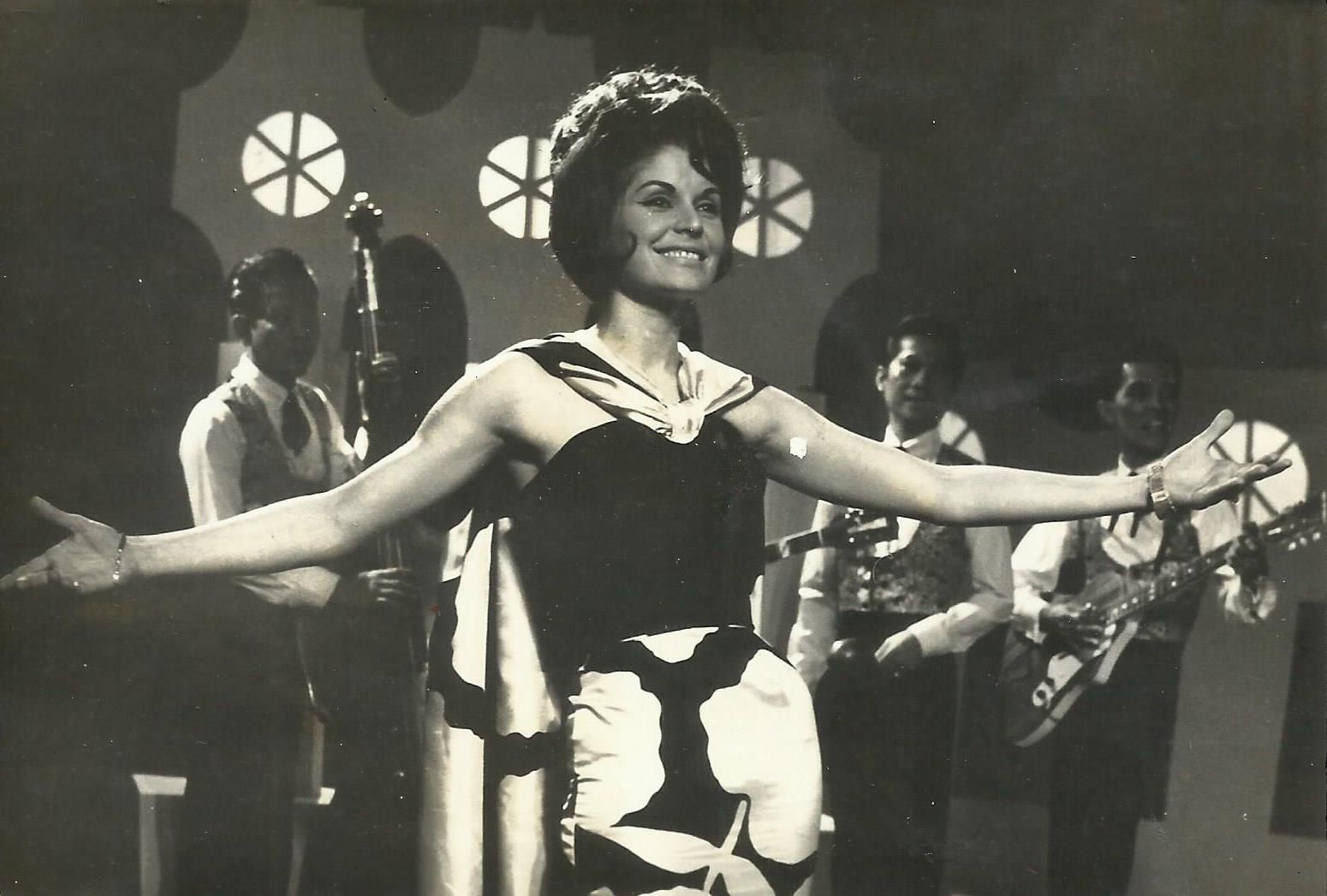
Asia’s Queen of Songs, the legendary Pilita Corrales, turns 85 on Aug. 22, marking nearly 70 years as one of the country’s greatest entertainers.

Born in Cebu to Spanish parents, the young Pilita left her finishing school studies in Madrid to take up show business after her father's sudden death.  

Initial success came as a recording artist and television presenter in Australia.  Her recording of Come Closer to Me topped the charts and led to several albums and other shows.  She was so popular that a street was named after her in Victoria.

Back home in the Philippines, she went from radio star of La Taberna to the biggest draw in stage shows at the Clover Theater and the Manila Grand Opera House and the star of Manila’s posh nightclubs. 
viber_image_2024-08-20_15-11-38-149.jpg

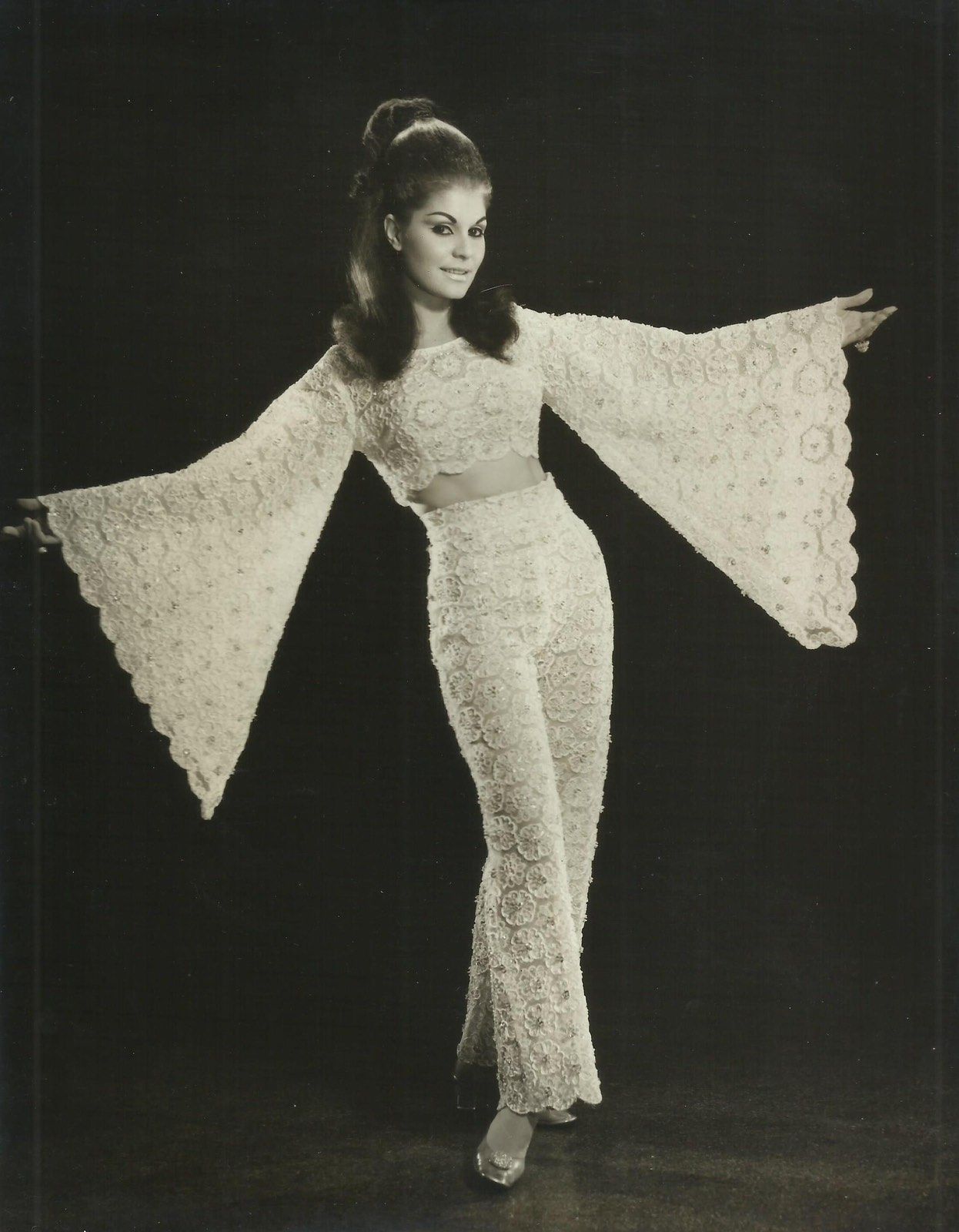
She was also a favorite in the concert scene which included performances with The Beatles, Matt Monroe, Sammy Davis Jr. and other foreign acts.  She also performed in Las Vegas and joined Bob Hope on tour.

Pilita’s recording of A Million Thanks to You, composed by Alice  Doria Gamilla, became one of the few original Filipino songs to top the hit charts. This led to her own weekly TV show, Your Evening with Pilita, one of the highest-rated and most awarded in local television history.   

A pivotal moment in her career came with her recording of the album Philippine Love Songs.  The collection of old Filipino originals like Dahil Sa Iyo, Irog Ako ay Mahalin, Hinahanap Kita, and others is now considered the turning point of the local music industry.  

Pilita’s new versions, with its modern pop touch, brought the old songs to the attention of young music lovers.  This is believed to have provided the jumpstart to the golden age of Philippine pop music during the 70s era.
viber_image_2024-08-20_15-11-38-526.jpg

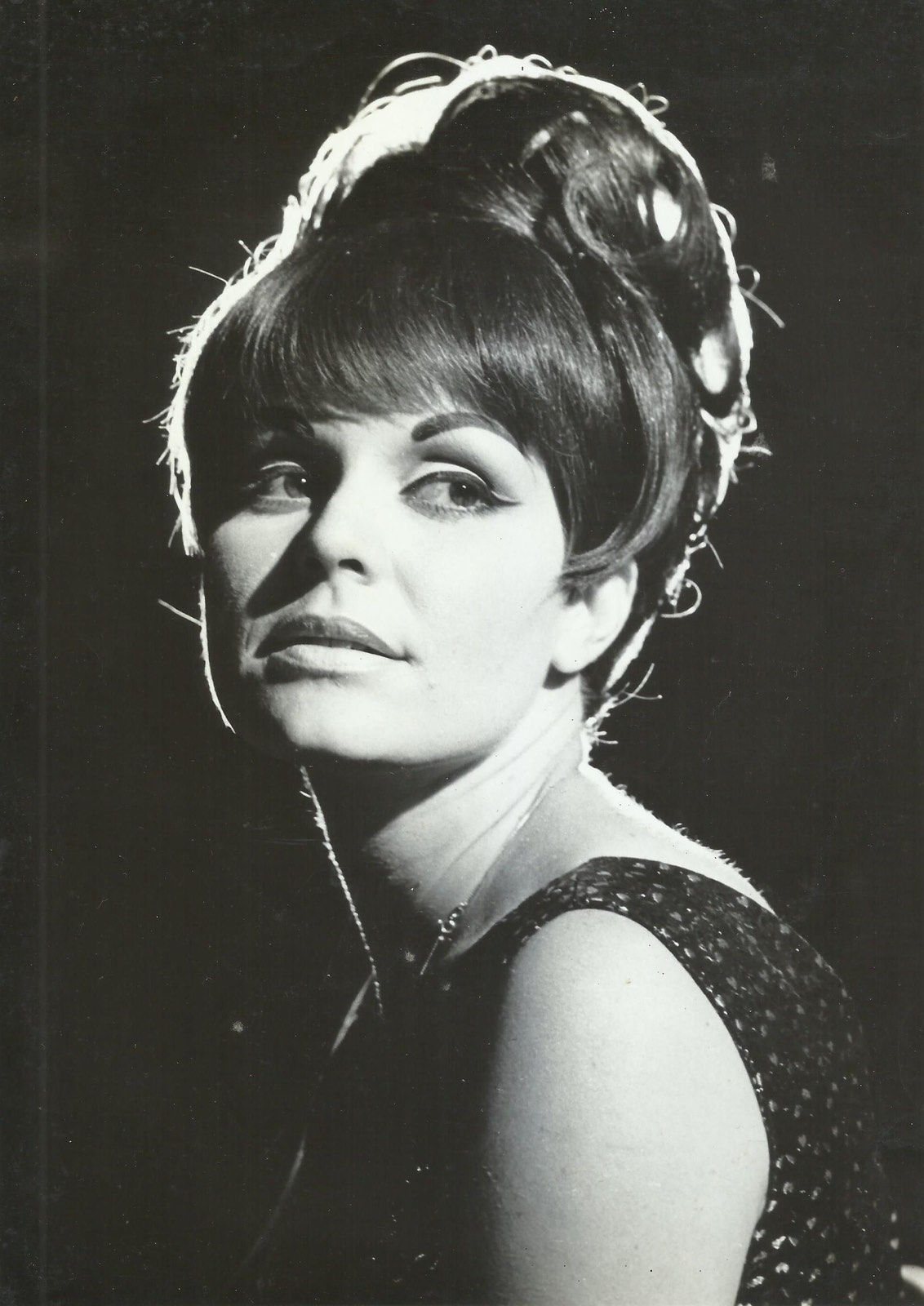
Philippine Love Songs included a song titled Kapantay ay Langit, composed by then-new songwriter George Canseco. This became Pilita’s other signature song and the apt vehicle for her famous backbend. 

Canseco also wrote My Daughter, which brought Pilita the Best Singer Award at the Tokyo Music Festival in 1972. Pilita is also a movie and television actress and comedienne. 

Now semi-retired from performing, Pilita observes her 85th birthday with her family, treasuring the quiet moments when she can look back at the beautiful memories of her incredible career.

ADVERTISEMENT
.most-popular .layout-ratio{ padding-bottom: 79.13%; } @media (min-width: 768px) and (max-width: 1024px) { .widget-title { font-size: 15px !important; } }

{{ articles_filter_1561_widget.title }}

.most-popular .layout-ratio{ padding-bottom: 79.13%; } @media (min-width: 768px) and (max-width: 1024px) { .widget-title { font-size: 15px !important; } }

{{ articles_filter_1562_widget.title }}

.most-popular .layout-ratio{ padding-bottom: 79.13%; } @media (min-width: 768px) and (max-width: 1024px) { .widget-title { font-size: 15px !important; } }

{{ articles_filter_1563_widget.title }}

{{ articles_filter_1564_widget.title }}

.mb-article-details { position: relative; } .mb-article-details .article-body-preview, .mb-article-details .article-body-summary{ font-size: 17px; line-height: 30px; font-family: "Libre Caslon Text", serif; color: #000; } .mb-article-details .article-body-preview iframe , .mb-article-details .article-body-summary iframe{ width: 100%; margin: auto; } .read-more-background { background: linear-gradient(180deg, color(display-p3 1.000 1.000 1.000 / 0) 13.75%, color(display-p3 1.000 1.000 1.000 / 0.8) 30.79%, color(display-p3 1.000 1.000 1.000) 72.5%); position: absolute; height: 200px; width: 100%; bottom: 0; display: flex; justify-content: center; align-items: center; padding: 0; } .read-more-background a{ color: #000; } .read-more-btn { padding: 17px 45px; font-family: Inter; font-weight: 700; font-size: 18px; line-height: 16px; text-align: center; vertical-align: middle; border: 1px solid black; background-color: white; } .hidden { display: none; }
function initializeAllSwipers() { // Get all hidden inputs with cms_article_id document.querySelectorAll('[id^="cms_article_id_"]').forEach(function (input) { const cmsArticleId = input.value; const articleSelector = '#article-' + cmsArticleId + ' .body_images'; const swiperElement = document.querySelector(articleSelector); if (swiperElement && !swiperElement.classList.contains('swiper-initialized')) { new Swiper(articleSelector, { loop: true, pagination: false, navigation: { nextEl: '#article-' + cmsArticleId + ' .swiper-button-next', prevEl: '#article-' + cmsArticleId + ' .swiper-button-prev', }, }); } }); } setTimeout(initializeAllSwipers, 3000); const intersectionObserver = new IntersectionObserver( (entries) => { entries.forEach((entry) => { if (entry.isIntersecting) { const newUrl = entry.target.getAttribute("data-url"); if (newUrl) { history.pushState(null, null, newUrl); let article = entry.target; // Extract metadata const author = article.querySelector('.author-section').textContent.replace('By', '').trim(); const section = article.querySelector('.section-info ').textContent.replace(' ', ' '); const title = article.querySelector('.article-title h1').textContent; // Parse URL for Chartbeat path format const parsedUrl = new URL(newUrl, window.location.origin); const cleanUrl = parsedUrl.host + parsedUrl.pathname; // Update Chartbeat configuration if (typeof window._sf_async_config !== 'undefined') { window._sf_async_config.path = cleanUrl; window._sf_async_config.sections = section; window._sf_async_config.authors = author; } // Track virtual page view with Chartbeat if (typeof pSUPERFLY !== 'undefined' && typeof pSUPERFLY.virtualPage === 'function') { try { pSUPERFLY.virtualPage({ path: cleanUrl, title: title, sections: section, authors: author }); } catch (error) { console.error('ping error', error); } } // Optional: Update document title if (title && title !== document.title) { document.title = title; } } } }); }, { threshold: 0.1 } ); function showArticleBody(button) { const article = button.closest("article"); const summary = article.querySelector(".article-body-summary"); const body = article.querySelector(".article-body-preview"); const readMoreSection = article.querySelector(".read-more-background"); // Hide summary and read-more section summary.style.display = "none"; readMoreSection.style.display = "none"; // Show the full article body body.classList.remove("hidden"); } document.addEventListener("DOMContentLoaded", () => { let loadCount = 0; // Track how many times articles are loaded const offset = [1, 2, 3, 4, 5, 6, 7, 8, 9, 10]; // Offset values const currentUrl = window.location.pathname.substring(1); let isLoading = false; // Prevent multiple calls if (!currentUrl) { console.log("Current URL is invalid."); return; } const sentinel = document.getElementById("load-more-sentinel"); if (!sentinel) { console.log("Sentinel element not found."); return; } function isSentinelVisible() { const rect = sentinel.getBoundingClientRect(); return ( rect.top < window.innerHeight && rect.bottom >= 0 ); } function onScroll() { if (isLoading) return; if (isSentinelVisible()) { if (loadCount >= offset.length) { console.log("Maximum load attempts reached."); window.removeEventListener("scroll", onScroll); return; } isLoading = true; const currentOffset = offset[loadCount]; window.loadMoreItems().then(() => { let article = document.querySelector('#widget_1690 > div:nth-last-of-type(2) article'); intersectionObserver.observe(article) loadCount++; }).catch(error => { console.error("Error loading more items:", error); }).finally(() => { isLoading = false; }); } } window.addEventListener("scroll", onScroll); });

Sign up by email to receive news.