ADVERTISEMENT

Empathy, and community communication

Published Aug 2, 2024 09:14 pm

PAGBABAGO

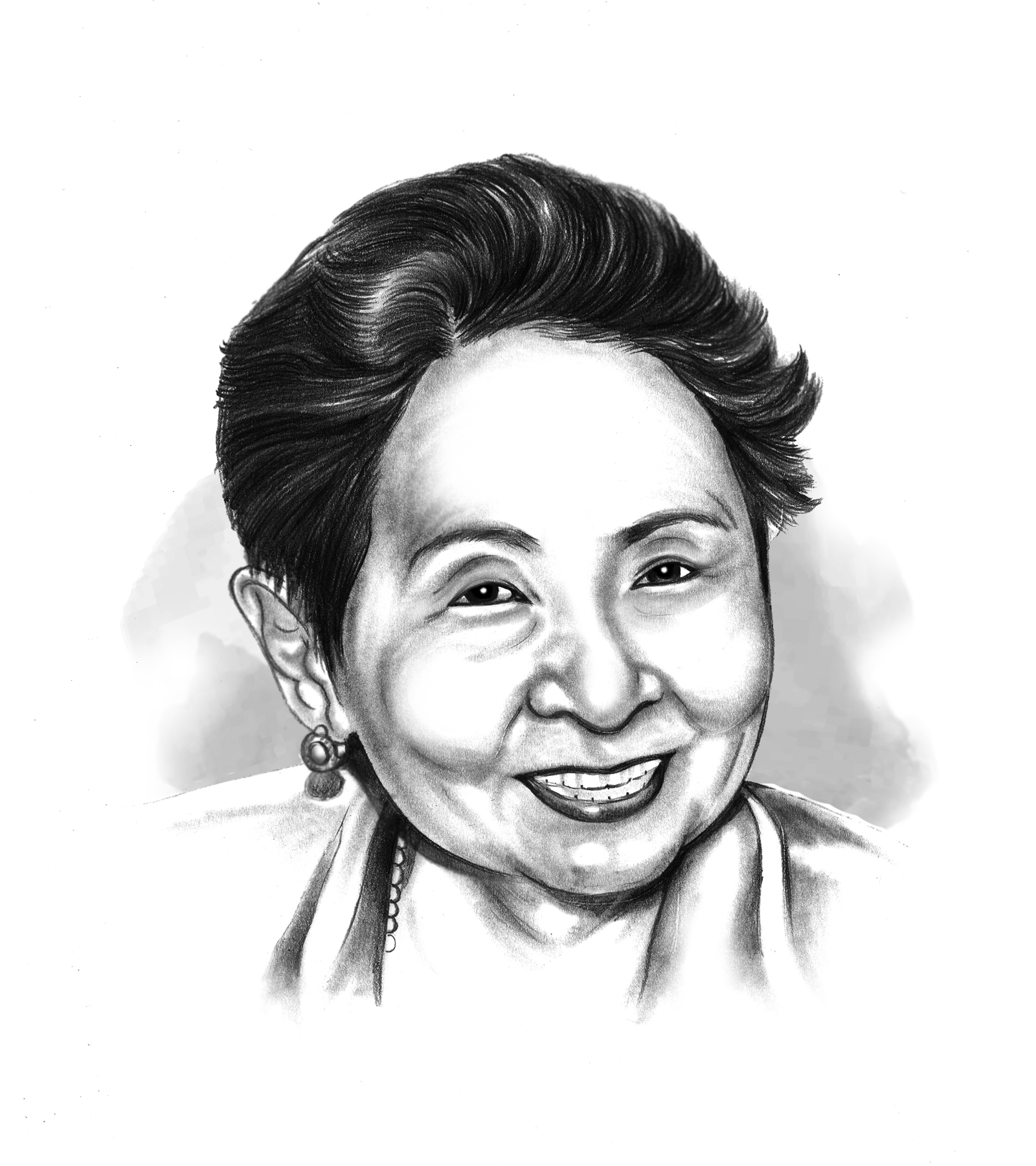
rosario braid final.jpg

There are enough studies about why the country had remained stagnant over the past decades while its neighboring countries in the ASEAN region had galloped ahead in most of the positive indicators of development. We yearn for the good old days when we were much ahead of these countries, many of whom had learned from us. 


We have done enough of soul-searching and analysis of what had gone wrong and had, in fact addressed many of them. But, still, indicators point out that we had not done enough catching up as there is a continuing out-migration of families to other countries. 


We have gathered enough lessons from other countries who have overtaken us – South Korea, Singapore, Malaysia, Vietnam, Taiwan. We now realize that what we need to seriously address is to close the yawning gaps between the center and the periphery, or the urban elite communities and the large rural poor populations. And that this requires not only an economic but also a social-psychological strategy. Which is empowering rural communities by bridging gaps, strengthening connections between groups, developing empathy and connectedness. 


Previous studies describe the Filipino community as closely knit and bound by strong relationships which extend to members of the family and chosen friends and associates. This tendency, described as “social exclusion” had limited relationships among members of the family or clan, and limited circles, leaving the large majority outside. Thus, trust exists within the close group but not extended to the larger community. 


The challenge in initiatives such as decentralization and devolution is therefore not merely confined to broadening or extending power from central government to local governments or economic like sharing the economic pie and power, but also social-psychological and cultural. It means changing current mindsets and attitudes, and a cultural shift that builds on empathy or sharing the feelings of the other. It has been shown in several studies that where there is a strong connectedness between people and groups, there exists genuine cooperation and support for each other. Which is essential in any kind of community building. 


It appears that the task ahead is trying to discover various strategies of development trust and building relationship among the various cultural groups in Philippine communities. 


Among us communication strategists, we believe that strengthening communication among the various cultural groups and between government and communities, is essential in the strategy of moving forward. Thus, building cadres of community journalists or information and communication specialists who can serve as bridges between government and the people and among the various cultural groups should be a priority of government in its efforts toward decentralization. It should be integrated in all local governments which are now benefitting from the Mandanas ruling that mandates sharing of IRA to local governments. 


When we say community journalists or communication specialists, we do not mean only print or broadcast journalists, but all those who are able to utilize any community communication resource – modern information technology or traditional audiovisual technology in informing, mediating, and connecting people and groups. We are living in a knowledge society with its advantage of advanced technology that can upgrade connectivity and at the same time help build productivity through improved information and communication that streamlines tasks and enables peoples to work more efficiently. 


We have all the advantages of moving toward our vision of a nation that is aware of its potential and able to utilize it in enabling our people to move forward. ([email protected])
 

Related Tags

Dr. Florangel Rosario-Braid pagbabago
ADVERTISEMENT
.most-popular .layout-ratio{ padding-bottom: 79.13%; } @media (min-width: 768px) and (max-width: 1024px) { .widget-title { font-size: 15px !important; } }

{{ articles_filter_1561_widget.title }}

.most-popular .layout-ratio{ padding-bottom: 79.13%; } @media (min-width: 768px) and (max-width: 1024px) { .widget-title { font-size: 15px !important; } }

{{ articles_filter_1562_widget.title }}

.most-popular .layout-ratio{ padding-bottom: 79.13%; } @media (min-width: 768px) and (max-width: 1024px) { .widget-title { font-size: 15px !important; } }

{{ articles_filter_1563_widget.title }}

{{ articles_filter_1564_widget.title }}

.mb-article-details { position: relative; } .mb-article-details .article-body-preview, .mb-article-details .article-body-summary{ font-size: 17px; line-height: 30px; font-family: "Libre Caslon Text", serif; color: #000; } .mb-article-details .article-body-preview iframe , .mb-article-details .article-body-summary iframe{ width: 100%; margin: auto; } .read-more-background { background: linear-gradient(180deg, color(display-p3 1.000 1.000 1.000 / 0) 13.75%, color(display-p3 1.000 1.000 1.000 / 0.8) 30.79%, color(display-p3 1.000 1.000 1.000) 72.5%); position: absolute; height: 200px; width: 100%; bottom: 0; display: flex; justify-content: center; align-items: center; padding: 0; } .read-more-background a{ color: #000; } .read-more-btn { padding: 17px 45px; font-family: Inter; font-weight: 700; font-size: 18px; line-height: 16px; text-align: center; vertical-align: middle; border: 1px solid black; background-color: white; } .hidden { display: none; }
function initializeAllSwipers() { // Get all hidden inputs with cms_article_id document.querySelectorAll('[id^="cms_article_id_"]').forEach(function (input) { const cmsArticleId = input.value; const articleSelector = '#article-' + cmsArticleId + ' .body_images'; const swiperElement = document.querySelector(articleSelector); if (swiperElement && !swiperElement.classList.contains('swiper-initialized')) { new Swiper(articleSelector, { loop: true, pagination: false, navigation: { nextEl: '#article-' + cmsArticleId + ' .swiper-button-next', prevEl: '#article-' + cmsArticleId + ' .swiper-button-prev', }, }); } }); } setTimeout(initializeAllSwipers, 3000); const intersectionObserver = new IntersectionObserver( (entries) => { entries.forEach((entry) => { if (entry.isIntersecting) { const newUrl = entry.target.getAttribute("data-url"); if (newUrl) { history.pushState(null, null, newUrl); let article = entry.target; // Extract metadata const author = article.querySelector('.author-section').textContent.replace('By', '').trim(); const section = article.querySelector('.section-info ').textContent.replace(' ', ' '); const title = article.querySelector('.article-title h1').textContent; // Parse URL for Chartbeat path format const parsedUrl = new URL(newUrl, window.location.origin); const cleanUrl = parsedUrl.host + parsedUrl.pathname; // Update Chartbeat configuration if (typeof window._sf_async_config !== 'undefined') { window._sf_async_config.path = cleanUrl; window._sf_async_config.sections = section; window._sf_async_config.authors = author; } // Track virtual page view with Chartbeat if (typeof pSUPERFLY !== 'undefined' && typeof pSUPERFLY.virtualPage === 'function') { try { pSUPERFLY.virtualPage({ path: cleanUrl, title: title, sections: section, authors: author }); } catch (error) { console.error('ping error', error); } } // Optional: Update document title if (title && title !== document.title) { document.title = title; } } } }); }, { threshold: 0.1 } ); function showArticleBody(button) { const article = button.closest("article"); const summary = article.querySelector(".article-body-summary"); const body = article.querySelector(".article-body-preview"); const readMoreSection = article.querySelector(".read-more-background"); // Hide summary and read-more section summary.style.display = "none"; readMoreSection.style.display = "none"; // Show the full article body body.classList.remove("hidden"); } document.addEventListener("DOMContentLoaded", () => { let loadCount = 0; // Track how many times articles are loaded const offset = [1, 2, 3, 4, 5, 6, 7, 8, 9, 10]; // Offset values const currentUrl = window.location.pathname.substring(1); let isLoading = false; // Prevent multiple calls if (!currentUrl) { console.log("Current URL is invalid."); return; } const sentinel = document.getElementById("load-more-sentinel"); if (!sentinel) { console.log("Sentinel element not found."); return; } function isSentinelVisible() { const rect = sentinel.getBoundingClientRect(); return ( rect.top < window.innerHeight && rect.bottom >= 0 ); } function onScroll() { if (isLoading) return; if (isSentinelVisible()) { if (loadCount >= offset.length) { console.log("Maximum load attempts reached."); window.removeEventListener("scroll", onScroll); return; } isLoading = true; const currentOffset = offset[loadCount]; window.loadMoreItems().then(() => { let article = document.querySelector('#widget_1690 > div:nth-last-of-type(2) article'); intersectionObserver.observe(article) loadCount++; }).catch(error => { console.error("Error loading more items:", error); }).finally(() => { isLoading = false; }); } } window.addEventListener("scroll", onScroll); });

Sign up by email to receive news.