ADVERTISEMENT

Dengue is surging—here's a refresher on this deadly infection

Essential information for dengue prevention

Published Aug 19, 2024 04:34 pm

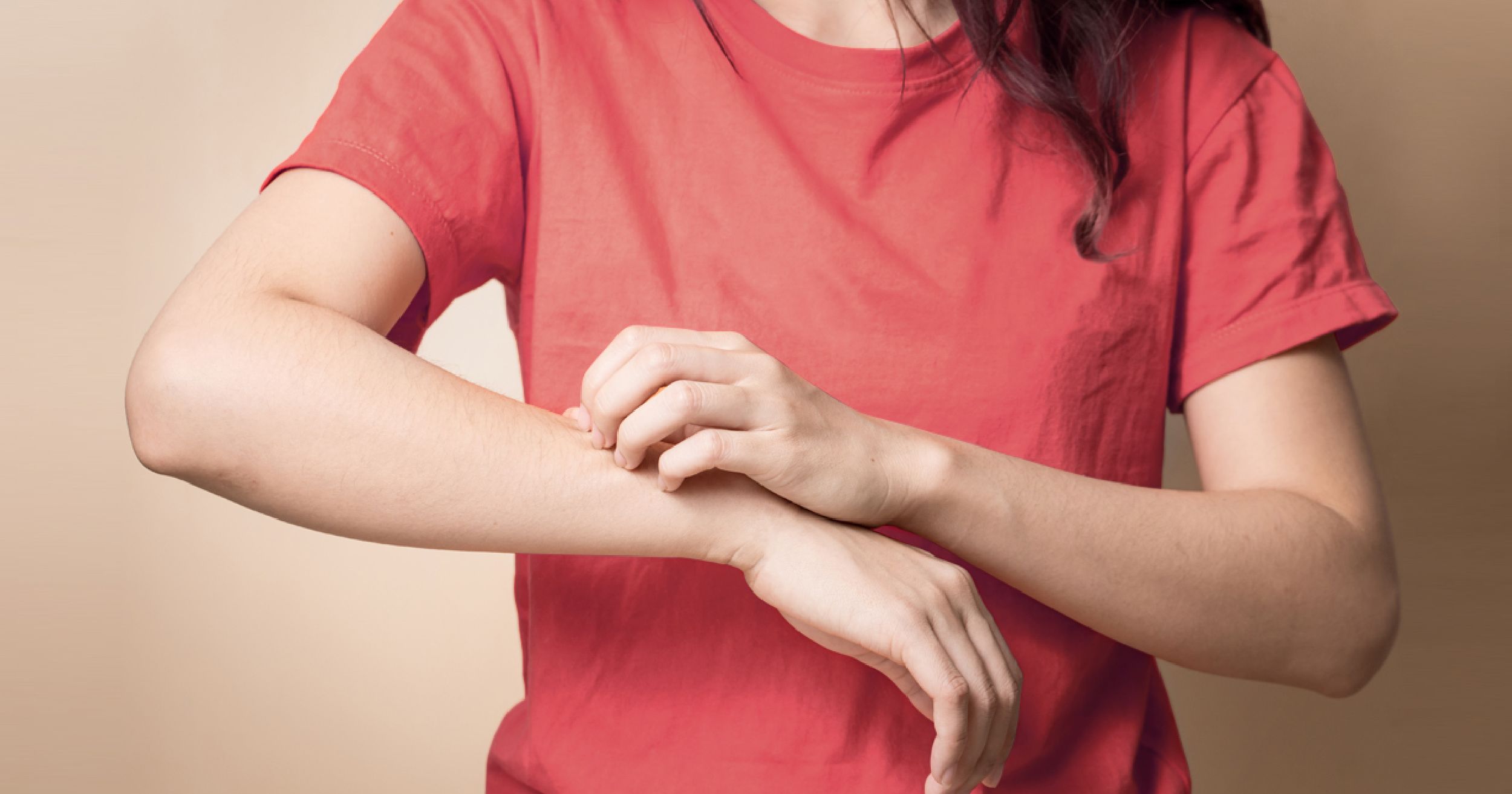
Dengue Myths.jpg

The city of Ormoc has recently been placed under State of Calamity due to a dengue outbreak. The Department of Health in Eastern Visayas has been ringing the alarm on dengue deaths and illnesses in the province. There has been 13 deaths and 5,730 cases recorded from January to July this year, which means its 152 percent higher than the 2,273 cases and seven deaths in 2023. Dengue fever, recognized by the World Health Organisation (WHO) as the fastest-spreading mosquito-borne illness globally, affects approximately 400 million people each year and is prevalent in over 100 countries.

Despite the growing threat, many myths and misconceptions continue to cloud public understanding of dengue. Addressing these misconceptions is crucial for effective prevention and protection.

Here are some of them.

Myth #1: Dengue fever cannot be contracted more than once.

Fact: The dengue virus (DENV) has four distinct serotypes. Immunity from one serotype does not protect against the others, making subsequent infections possible and potentially more severe.

Myth #2: Dengue is contagious.

Fact: Dengue is transmitted through bites from infected female mosquitoes, primarily Aedes aegypti3. It cannot be contracted through human contact or respiratory droplets, making mosquito control essential.

Myth #3: An infected mosquito only breeds in dirty stagnant water.

Fact: Aedes aegypti mosquitoes lay eggs in any stagnant water, whether clean or dirty. Common breeding sites include basins, pots, jars, and rain gutters. Regular maintenance is crucial to prevent mosquito infestation.

Myth #4: Dengue fever is only a risk during the rainy season.

Fact: While the rainy season can increase mosquito breeding sites, dengue fever is a risk year-round due to mosquitoes being attracted to carbon dioxide and heat.

Myth #5: The body can naturally recover from dengue fever without medical intervention.

Fact: Dengue fever usually presents as a week-long episode of severe headache, vomiting, and muscle pain. Immediate medical attention is crucial, as some individuals may require hospitalization despite initial recovery with rest and hydration.

With no specific cure for dengue fever, the focus must remain on preventive measures and accurate information.

Tip: To help manage dengue, and the high costs that come with it, some insurance companies offer financial assistance for dengue medical care. For instance, PruLifeUK’s protection products like PRUDengue Medcare and Medcare Pro offers coverage especially for dengue cases.

Related Tags

dengue prevention DENGUE FEVER DENGUE CASES DENGUE
ADVERTISEMENT
.most-popular .layout-ratio{ padding-bottom: 79.13%; } @media (min-width: 768px) and (max-width: 1024px) { .widget-title { font-size: 15px !important; } }

{{ articles_filter_1561_widget.title }}

.most-popular .layout-ratio{ padding-bottom: 79.13%; } @media (min-width: 768px) and (max-width: 1024px) { .widget-title { font-size: 15px !important; } }

{{ articles_filter_1562_widget.title }}

.most-popular .layout-ratio{ padding-bottom: 79.13%; } @media (min-width: 768px) and (max-width: 1024px) { .widget-title { font-size: 15px !important; } }

{{ articles_filter_1563_widget.title }}

{{ articles_filter_1564_widget.title }}

.mb-article-details { position: relative; } .mb-article-details .article-body-preview, .mb-article-details .article-body-summary{ font-size: 17px; line-height: 30px; font-family: "Libre Caslon Text", serif; color: #000; } .mb-article-details .article-body-preview iframe , .mb-article-details .article-body-summary iframe{ width: 100%; margin: auto; } .read-more-background { background: linear-gradient(180deg, color(display-p3 1.000 1.000 1.000 / 0) 13.75%, color(display-p3 1.000 1.000 1.000 / 0.8) 30.79%, color(display-p3 1.000 1.000 1.000) 72.5%); position: absolute; height: 200px; width: 100%; bottom: 0; display: flex; justify-content: center; align-items: center; padding: 0; } .read-more-background a{ color: #000; } .read-more-btn { padding: 17px 45px; font-family: Inter; font-weight: 700; font-size: 18px; line-height: 16px; text-align: center; vertical-align: middle; border: 1px solid black; background-color: white; } .hidden { display: none; }
function initializeAllSwipers() { // Get all hidden inputs with cms_article_id document.querySelectorAll('[id^="cms_article_id_"]').forEach(function (input) { const cmsArticleId = input.value; const articleSelector = '#article-' + cmsArticleId + ' .body_images'; const swiperElement = document.querySelector(articleSelector); if (swiperElement && !swiperElement.classList.contains('swiper-initialized')) { new Swiper(articleSelector, { loop: true, pagination: false, navigation: { nextEl: '#article-' + cmsArticleId + ' .swiper-button-next', prevEl: '#article-' + cmsArticleId + ' .swiper-button-prev', }, }); } }); } setTimeout(initializeAllSwipers, 3000); const intersectionObserver = new IntersectionObserver( (entries) => { entries.forEach((entry) => { if (entry.isIntersecting) { const newUrl = entry.target.getAttribute("data-url"); if (newUrl) { history.pushState(null, null, newUrl); let article = entry.target; // Extract metadata const author = article.querySelector('.author-section').textContent.replace('By', '').trim(); const section = article.querySelector('.section-info ').textContent.replace(' ', ' '); const title = article.querySelector('.article-title h1').textContent; // Parse URL for Chartbeat path format const parsedUrl = new URL(newUrl, window.location.origin); const cleanUrl = parsedUrl.host + parsedUrl.pathname; // Update Chartbeat configuration if (typeof window._sf_async_config !== 'undefined') { window._sf_async_config.path = cleanUrl; window._sf_async_config.sections = section; window._sf_async_config.authors = author; } // Track virtual page view with Chartbeat if (typeof pSUPERFLY !== 'undefined' && typeof pSUPERFLY.virtualPage === 'function') { try { pSUPERFLY.virtualPage({ path: cleanUrl, title: title, sections: section, authors: author }); } catch (error) { console.error('ping error', error); } } // Optional: Update document title if (title && title !== document.title) { document.title = title; } } } }); }, { threshold: 0.1 } ); function showArticleBody(button) { const article = button.closest("article"); const summary = article.querySelector(".article-body-summary"); const body = article.querySelector(".article-body-preview"); const readMoreSection = article.querySelector(".read-more-background"); // Hide summary and read-more section summary.style.display = "none"; readMoreSection.style.display = "none"; // Show the full article body body.classList.remove("hidden"); } document.addEventListener("DOMContentLoaded", () => { let loadCount = 0; // Track how many times articles are loaded const offset = [1, 2, 3, 4, 5, 6, 7, 8, 9, 10]; // Offset values const currentUrl = window.location.pathname.substring(1); let isLoading = false; // Prevent multiple calls if (!currentUrl) { console.log("Current URL is invalid."); return; } const sentinel = document.getElementById("load-more-sentinel"); if (!sentinel) { console.log("Sentinel element not found."); return; } function isSentinelVisible() { const rect = sentinel.getBoundingClientRect(); return ( rect.top < window.innerHeight && rect.bottom >= 0 ); } function onScroll() { if (isLoading) return; if (isSentinelVisible()) { if (loadCount >= offset.length) { console.log("Maximum load attempts reached."); window.removeEventListener("scroll", onScroll); return; } isLoading = true; const currentOffset = offset[loadCount]; window.loadMoreItems().then(() => { let article = document.querySelector('#widget_1690 > div:nth-last-of-type(2) article'); intersectionObserver.observe(article) loadCount++; }).catch(error => { console.error("Error loading more items:", error); }).finally(() => { isLoading = false; }); } } window.addEventListener("scroll", onScroll); });

Sign up by email to receive news.