






 Philippines
National
COA can help improve Philippine Internet situation by doing this, says Herrera
Philippines
National
COA can help improve Philippine Internet situation by doing this, says Herrera
COA can help improve Philippine Internet situation by doing this, says Herrera


At A Glance
- Deputy Minority Leader Bagong Henerasyon Party-list Rep. Bernadette Herrera has told the Commission on Audit (COA) to keep a closer eye on its oversight of earmarked revenues, particularly Spectrum User Fees (SUF).
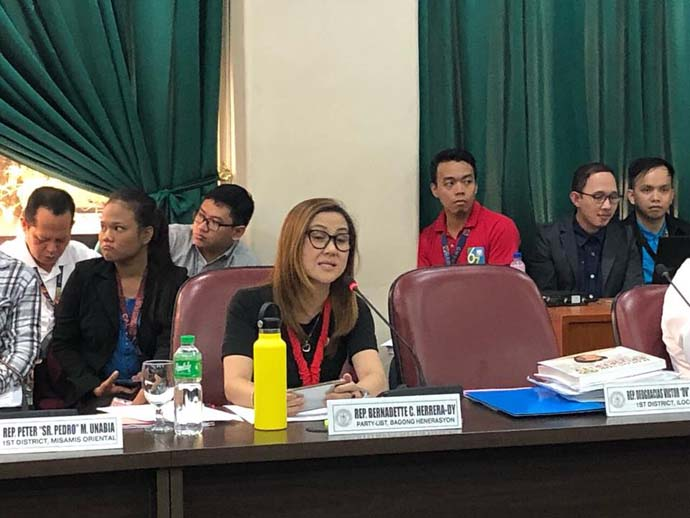 Deputy Minority Leader Bagong Henerasyon Party-list Rep. Bernadette Herrera
A ranking congresswoman has told the Commission on Audit (COA) to keep a closer eye on its oversight of earmarked revenues, particularly Spectrum User Fees (SUF).
This, as House Deputy Minority Leader Bagong Henerasyon Party-list Rep. Bernadette Herrera underscored the need for stringent management to ensure that these funds are effectively used to improve the country’s Internet services.
In her interpellation during the recent hearing on COA’s budget for 2025, Herrera sought clarification on whether or not the COA actively audits earmarked revenues, such as the SUF, and the legality of redirecting these funds for purposes other than those specified by law.
“Do you audit the revenues collected from Spectrum User Fees?" Herrera asked COA. "These funds are supposed to be earmarked for enhancing our telecommunications infrastructure. Can you enlighten me if these revenues, which are earmarked, can be used by the National Government for other purposes?"
The SUF revenues, amounting to approximately P9 billion annually, are collected from telecommunications companies for the use of radio frequencies and are intended to fund the development and enhancement of the country’s Internet infrastructure.
Herrera expressed concern over the possibility that while these funds might be earmarked on paper, the actual cash could be diverted to other government expenditures. This would cause delay in much-needed improvements to the country's Internet services, she said.
COA Chairman Gamaliel Cordoba confirmed that SUF revenues are indeed subject to audit and should be used exclusively for their intended purposes, as mandated by law.
However, Herrera's probing questions underscored the importance of strict adherence to the legal provisions governing earmarked revenues.
“Even if these funds are earmarked in accounting records, can the government use the actual cash for other purposes?" the deputy minority leader asked, as she highlighted potential loopholes in the management of these funds.
Herrera further underscored the significant role that the P9 billion in SUF revenues could play in improving the nation’s internet services.
“Our people deserve better Internet services, especially as we continue to rely on digital platforms for education, work, and daily communication. How can we ensure that SUF revenues are not being misused and are actually being invested back into our telecommunications infrastructure?" she pressed.
The Philippines is considered to have relatively costly Internet service, with mediocre connection speed.
The COA assured the House that its audits include a review of both the allocation and actual disbursement of earmarked revenues to ensure compliance with the law.
But Herrera hammered home the need for greater transparency and accountability in how these funds are managed.
As the deliberations progressed, Herrera’s focus on the SUF revenues sparked a broader discussion on the necessity of stricter oversight and more transparent use of funds intended to improve the country’s digital infrastructure.
Her interpellation called on both the COA and other relevant agencies to ensure that these revenues are fully utilized for their intended purpose—advancing the quality and accessibility of Internet services across the Philippines.