






 Business
Government to ensure 'fair compensation' for fishermen affected by offshore wind projects
Business
Government to ensure 'fair compensation' for fishermen affected by offshore wind projects
Government to ensure 'fair compensation' for fishermen affected by offshore wind projects


At A Glance
- As the Philippines gains traction on its planned offshore wind projects, the local fishing communities at the designated project sites are also getting jittery over possible dislocation or significant reduction of traditional fishing grounds, hence, the relevant government agencies are being prodded to pursue balancing act between the country's quest for clean energy transition vis-à-vis the people's right of having sustainable source of livelihood.
TAIPEI – The Philippine government will be ensuring that the fishermen whose livelihood will be disrupted by the development of offshore wind power projects in the country will be ‘fairly compensated’, according to the Department of Energy.
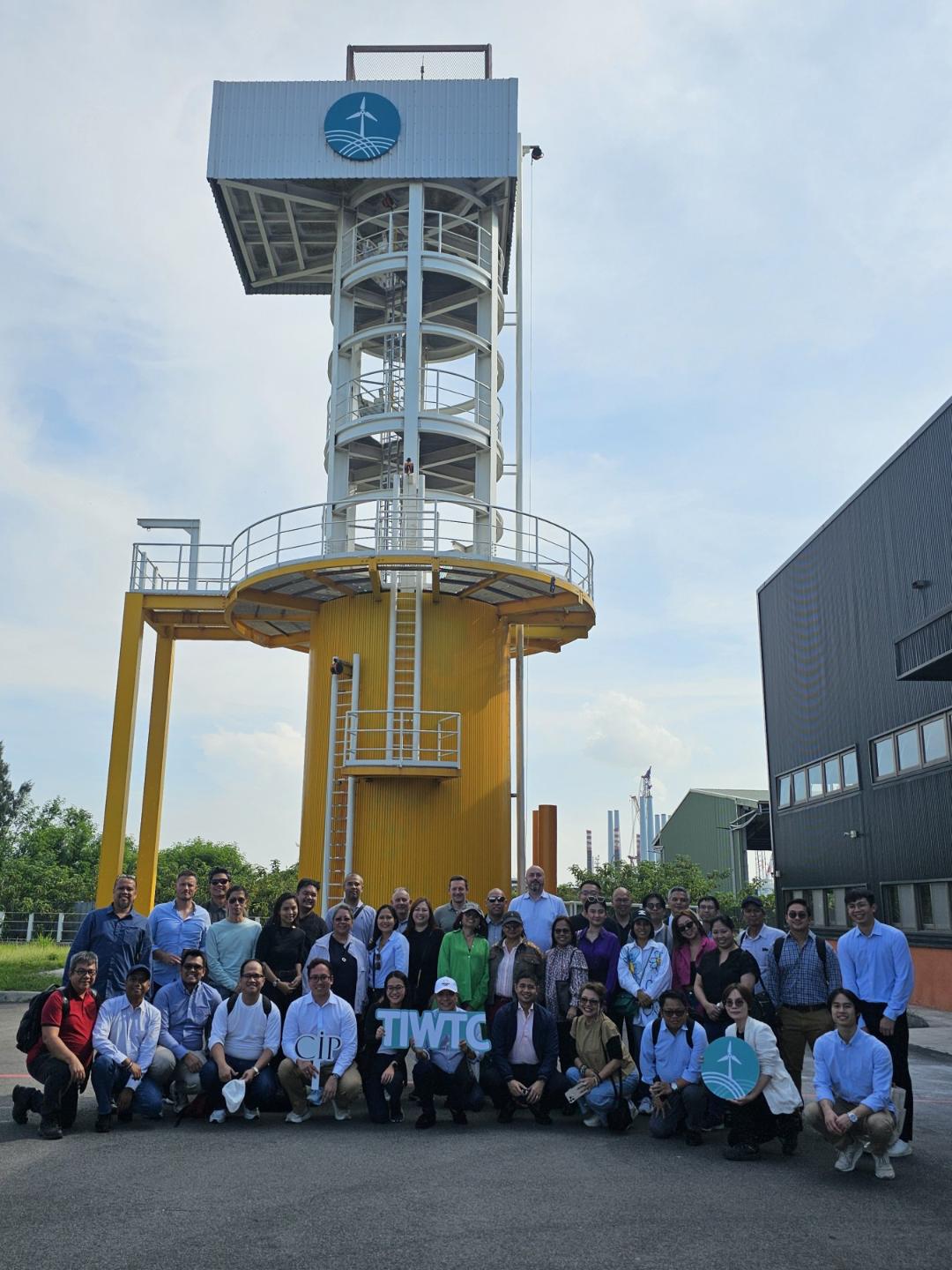
Having a formula on the calculation of compensation as well as pursuing a transparent negotiation process with affected stakeholders had been among the major lessons that the Philippine offshore wind delegation got clued up about during a visit to Taiwan’s flourishing offshore wind industry.
Energy Undersecretary Rowena Cristina L. Guevara, who was the leading authority in the delegation, conveyed that “we already got the formula, so we will talk with BFAR (Bureau of Fisheries and Aquatic Resources), which components of the formula are applicable in our case.”
She qualified that the government will have to comprehensively study first “which ones will work best. We have to study to make everybody happy.”
In compensating affected fisherfolks in Taiwan, it was noted that third party advisors are being engaged in their negotiation with the offshore wind developers, primarily on the amount that shall be paid to them on their warped livelihood source.
At least three consultation meetings shall also be held before the parties will firm up the ‘compensation package’, so that provides certainty on when the fishermen or their representative-advisors would have to step up on their bargaining chip to get the upper hand in the negotiating table.
Taiwan authorities admitted that the rollout of gigawatt-scale offshore wind projects along Changhua, Yunlin and Miaoli sites, have triggered ‘tension’ between the offshore wind developers and the fishermen on the latter’s assumption of exclusion of their fishing rights, hence, their government had to enforce policy on a compensation mechanism.
Typically, the marine spatial planning (MSP) serves as the fundamental tool in demarcating multi-use of the ocean space by various and often-conflicting parties – and with offshore wind developments, this would often result in the reduction of space for fishing as well as navigation.
Under the MSP, it is highly desired that fishing zones shall be clearly designated and initiatives must also be pushed on the creation of artificial reefs to reinforce marine biodiversity and to support alternative system of fishing activities.
As the Philippines gains traction on its planned offshore wind projects, the local fishing communities at the designated project sites are also getting jittery over possible dislocation or significant reduction of traditional fishing grounds, hence, the relevant government agencies are being prodded to pursue balancing act between the country’s quest for clean energy transition vis-à-vis the people’s right of having sustainable source of livelihood.
In many jurisdictions, affected fishermen would often complain of ‘insufficient financial compensation’ – because the package being offered to them by developers would just often cover immediate losses, but neglecting broader economic impact on the affected communities’ lives and livelihood that have relied for decades on traditional fishing.
Given such predicament, it is also proposed that training and support programs must be instituted by the offshore wind developers so they can help fishermen transition to new forms of employment if they would choose to do so – and that could include retraining or upskilling program for jobs in the renewable energy (RE) sector.