

ADVERTISEMENT

DOH warns of oil spill's harmful effects on human health

Published Jul 31, 2024 02:41 am

At A Glance

  • Inhalation of fumes from an oil spill can cause nausea, eye irritation, increased blood pressure, irregular heart rhythms, headaches, loss of appetite, and difficulty concentrating.
  • Direct contact with oil may lead to skin irritation, blisters, burns, peeling skin, and dermatitis.
  • Ingesting contaminated food or water can result in vomiting, diarrhea, abdominal pain, coughing, irritability, and in severe cases, unconsciousness, convulsions, coma, or death.
IMG_4060.jpeg
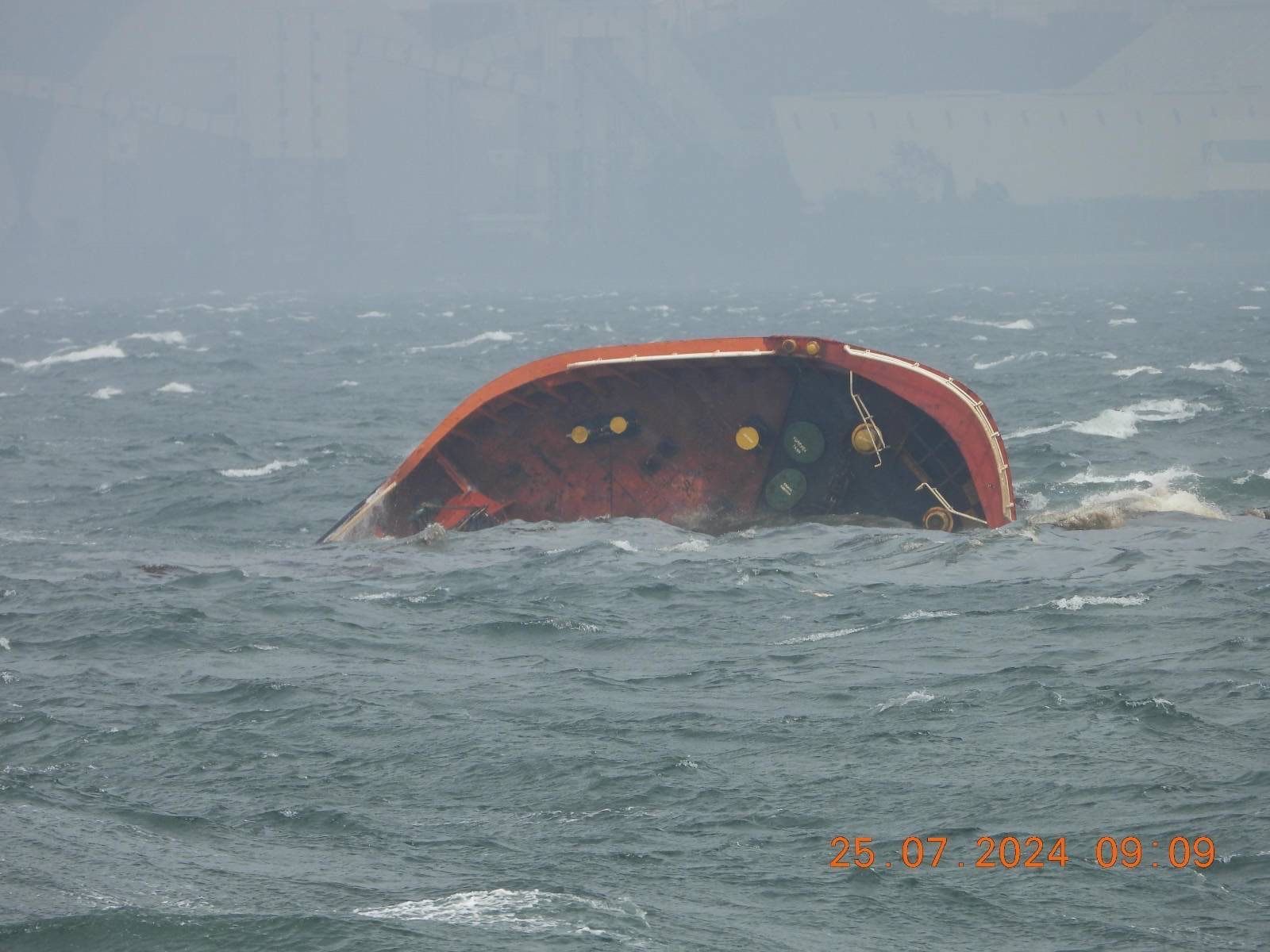
MT Terranova sinks off Limay, Bataan on July 25, 2024 while carrying 1.4 million liters of industrial fuel oil. (Photo from Philippine Coast Guard)

The Department of Health (DOH) warned about the serious health risks from an oil spill, urging the public to take immediate precautions and implement safety measures.

Authorities on Tuesday, July 30 said the oil sheen observed along the coasts of Manila, Bulacan, Pampanga, Bataan, and Cavite was likely due to the initial oil spill from the motor tanker Terra Nova, which sank in Limay, Bataan on July 25.

DOH said the oil spill may pose significant health impacts, such as nausea, eye irritation, increased blood pressure, irregular heart rhythms, headaches, and difficulty concentrating from inhalation; skin irritation, blisters, burns, and dermatitis from contact; and vomiting, diarrhea, abdominal pain, and severe symptoms like unconsciousness and convulsions from ingestion.

“Oil spills can harm people in many ways: through direct physical contact, contamination, destruction of food sources and habitats, and in some cases, reproductive health problems,” it said.

Depending on how people come into contact with an oil spill, DOH said the following are some of the immediate health effects individuals may experience.

Inhalation of fumes from an oil spill can cause nausea, eye irritation, increased blood pressure, irregular heart rhythms, headaches, loss of appetite, and difficulty concentrating.

Direct contact with oil may lead to skin irritation, blisters, burns, peeling skin, and dermatitis.

Ingesting contaminated food or water can result in vomiting, diarrhea, abdominal pain, coughing, irritability, and in severe cases, unconsciousness, convulsions, coma, or death.

Safety measures

To ensure safety during an oil spill, DOH advised the public to follow these key measures.

Keep children away from affected areas, as they are at higher risk due to their habit of putting their hands in their mouths.

It is crucial to set up warning signs around affected areas and bodies of water to alert the public of potential dangers.

Verify that drinking water comes from approved and clean sources to ensure it is safe.

Food safety must also be maintained; ensure that both human and animal food is clean and free from contamination.

If exposed to oil, promptly remove all contaminated clothing and wash the exposed skin with mild soap and water.

For those experiencing symptoms related to the oil spill, seek immediate medical attention at the nearest health facility.

Complex cases should be referred to specialized services for further assistance.

For specialized assistance, contact the East Avenue Medical Center Poison Control at 0923-2711183 or (02) 8928 0611 loc 707, the Philippine General Hospital-National Poison Management and Control Center at 0966-7189904 or (02) 8524 1078, or the DOH Hotline at 1555.

Things to avoid

To minimize health risks, DOH advised avoiding several critical actions during an oil spill.

“Do not bathe, wash clothes, or wade in areas affected by the spill to prevent exposure to the oil and any chemicals used for cleanup,” it said.

It also advised keeping pets and farm animals away from contaminated water sources and do not allow them to drink or bathe in these areas.

DOH said it is also important to avoid eating seafood, including fish and shellfish, from affected regions or nearby water sources until local authorities have cleared them for safety.

Related Tags

Department of Health (DOH) Oil spill MT Terra Nova
ADVERTISEMENT
.most-popular .layout-ratio{ padding-bottom: 79.13%; } @media (min-width: 768px) and (max-width: 1024px) { .widget-title { font-size: 15px !important; } }

{{ articles_filter_1561_widget.title }}

.most-popular .layout-ratio{ padding-bottom: 79.13%; } @media (min-width: 768px) and (max-width: 1024px) { .widget-title { font-size: 15px !important; } }

{{ articles_filter_1562_widget.title }}

.most-popular .layout-ratio{ padding-bottom: 79.13%; } @media (min-width: 768px) and (max-width: 1024px) { .widget-title { font-size: 15px !important; } }

{{ articles_filter_1563_widget.title }}

{{ articles_filter_1564_widget.title }}

.mb-article-details { position: relative; } .mb-article-details .article-body-preview, .mb-article-details .article-body-summary{ font-size: 17px; line-height: 30px; font-family: "Libre Caslon Text", serif; color: #000; } .mb-article-details .article-body-preview iframe , .mb-article-details .article-body-summary iframe{ width: 100%; margin: auto; } .read-more-background { background: linear-gradient(180deg, color(display-p3 1.000 1.000 1.000 / 0) 13.75%, color(display-p3 1.000 1.000 1.000 / 0.8) 30.79%, color(display-p3 1.000 1.000 1.000) 72.5%); position: absolute; height: 200px; width: 100%; bottom: 0; display: flex; justify-content: center; align-items: center; padding: 0; } .read-more-background a{ color: #000; } .read-more-btn { padding: 17px 45px; font-family: Inter; font-weight: 700; font-size: 18px; line-height: 16px; text-align: center; vertical-align: middle; border: 1px solid black; background-color: white; } .hidden { display: none; }
function initializeAllSwipers() { // Get all hidden inputs with cms_article_id document.querySelectorAll('[id^="cms_article_id_"]').forEach(function (input) { const cmsArticleId = input.value; const articleSelector = '#article-' + cmsArticleId + ' .body_images'; const swiperElement = document.querySelector(articleSelector); if (swiperElement && !swiperElement.classList.contains('swiper-initialized')) { new Swiper(articleSelector, { loop: true, pagination: false, navigation: { nextEl: '#article-' + cmsArticleId + ' .swiper-button-next', prevEl: '#article-' + cmsArticleId + ' .swiper-button-prev', }, }); } }); } setTimeout(initializeAllSwipers, 3000); const intersectionObserver = new IntersectionObserver( (entries) => { entries.forEach((entry) => { if (entry.isIntersecting) { const newUrl = entry.target.getAttribute("data-url"); if (newUrl) { history.pushState(null, null, newUrl); let article = entry.target; // Extract metadata const author = article.querySelector('.author-section').textContent.replace('By', '').trim(); const section = article.querySelector('.section-info ').textContent.replace(' ', ' '); const title = article.querySelector('.article-title h1').textContent; // Parse URL for Chartbeat path format const parsedUrl = new URL(newUrl, window.location.origin); const cleanUrl = parsedUrl.host + parsedUrl.pathname; // Update Chartbeat configuration if (typeof window._sf_async_config !== 'undefined') { window._sf_async_config.path = cleanUrl; window._sf_async_config.sections = section; window._sf_async_config.authors = author; } // Track virtual page view with Chartbeat if (typeof pSUPERFLY !== 'undefined' && typeof pSUPERFLY.virtualPage === 'function') { try { pSUPERFLY.virtualPage({ path: cleanUrl, title: title, sections: section, authors: author }); } catch (error) { console.error('ping error', error); } } // Optional: Update document title if (title && title !== document.title) { document.title = title; } } } }); }, { threshold: 0.1 } ); function showArticleBody(button) { const article = button.closest("article"); const summary = article.querySelector(".article-body-summary"); const body = article.querySelector(".article-body-preview"); const readMoreSection = article.querySelector(".read-more-background"); // Hide summary and read-more section summary.style.display = "none"; readMoreSection.style.display = "none"; // Show the full article body body.classList.remove("hidden"); } document.addEventListener("DOMContentLoaded", () => { let loadCount = 0; // Track how many times articles are loaded const offset = [1, 2, 3, 4, 5, 6, 7, 8, 9, 10]; // Offset values const currentUrl = window.location.pathname.substring(1); let isLoading = false; // Prevent multiple calls if (!currentUrl) { console.log("Current URL is invalid."); return; } const sentinel = document.getElementById("load-more-sentinel"); if (!sentinel) { console.log("Sentinel element not found."); return; } function isSentinelVisible() { const rect = sentinel.getBoundingClientRect(); return ( rect.top < window.innerHeight && rect.bottom >= 0 ); } function onScroll() { if (isLoading) return; if (isSentinelVisible()) { if (loadCount >= offset.length) { console.log("Maximum load attempts reached."); window.removeEventListener("scroll", onScroll); return; } isLoading = true; const currentOffset = offset[loadCount]; window.loadMoreItems().then(() => { let article = document.querySelector('#widget_1690 > div:nth-last-of-type(2) article'); intersectionObserver.observe(article) loadCount++; }).catch(error => { console.error("Error loading more items:", error); }).finally(() => { isLoading = false; }); } } window.addEventListener("scroll", onScroll); });

Sign up by email to receive news.