







Marcos: Intensify flood-prevention measures amid La Niña


Days after the massive flooding in Metro Manila and nearby provinces, President Marcos ordered government agencies to intensify various preventive measures to avoid Carina-like flooding during the La Niña phenomenon.
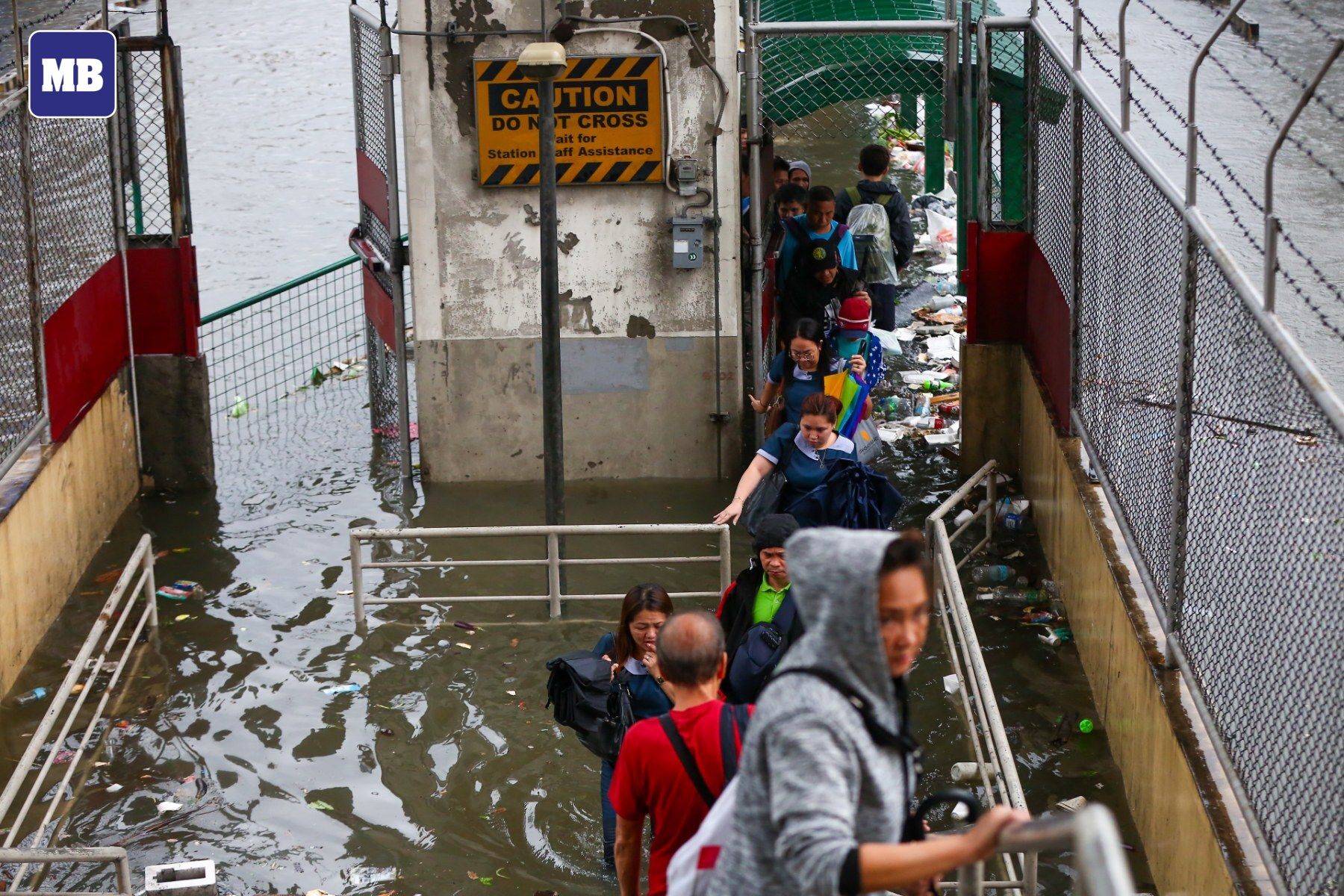
In a sectoral meeting on Tuesday, July 30, Marcos issued several directives to agencies for the country's preparation for the looming La Niña phenomenon and to ensure flood-control measures.
The President directed agencies to intensify the timely dissemination of early warning weather updates and flood-risk forecasting.
"The safety of our people is our top priority! I have directed our disaster response agencies to ensure Filipinos receive timely warnings about incoming typhoons, along with clear instructions on what actions to take and where to seek shelter or assistance," Marcos said in a Facebook post.
"We are committed to developing technology to protect lives for future calamities," he added.
He also ordered the Department of Public Works and Highways (DPWH) to pursue long-term and large-scale flood control plans and to improve catch basins to prevent floods.
Marcos reiterated the need to build more water impounding projects as part of the government's masterplan for flood management.
He also tasked concerned agencies to prioritize areas that are at greatest risk.
"The President has directed the department to consider actually not only the flow of flood waters but also to impound initially the flood waters in the watershed areas. This is a very important component that we need to address at this point in time. And I think, basically, this is a solution that will impede the flow of flood waters down to the low-lying areas," DPWH Secretary Manuel Bonoan said in a Palace briefing.
Bonoan further said that the President wants to implement the flood-management program in a holistic and integrated manner.
"If we are doing the engineering part of it and we are not addressing the environmental and social issues, I think there is still a chance. It has to be integrated way of addressing the flooding problems," the DPWH chief said.
He stressed the need to collaborate with other stakeholders, particularly in the internal drainage management systems in urban areas, "because this is very vital to address the run of waters particularly in urban areas."
Netherlands-like flood management
Marcos likewise ordered the Metropolitan Manila Development Authority (MMDA) to continue to implement Metro Manila's large-scale drainage plan.
Acting MMDA Chairman Romando Artes said the President was referring to a comprehensive drainage master plan similar to the Netherlands' 50-60 year drainage plan.
"Comprehensive drainage master plan---'yan po ay tulad ng ginagawa sa Netherlands. Similarly situated tayo sa Netherlands--ang Metro Manila particularly yung Amsterdam dahil mababa siyang lugar at bahain (similar to what they did in the Netherlands. Metro Manila is similarly situated to the Netherlands, particularly in Amsterdam, because it is a low-lying area and can be easily inundated)," Artes said in the same briefing.
"Ang ginawa meron silang 50-60 year drainage plan, meaning pino-project na nila yung tubig ulan based on weather patterns kung gaano karaming ulan ang darating 30 years and 50 years from the time na ginagawa yan, then ina-adjust nila 'yan after 30 years (They have a 50-60 year drainage plan, meaning they project the volume of rainwater in the next 30 and 50 years based on weather patterns from the time they implemented it, and would adjust it after 30 years)," Artes added.
The plan, he noted, will study the entire drainage system of Metro Manila and integrate it to the whole drainage master plan.