ADVERTISEMENT

Yes, some animals can have babies without a mate. Here's how

Published Jul 4, 2024 04:50 am
5ANIMALS.jpg
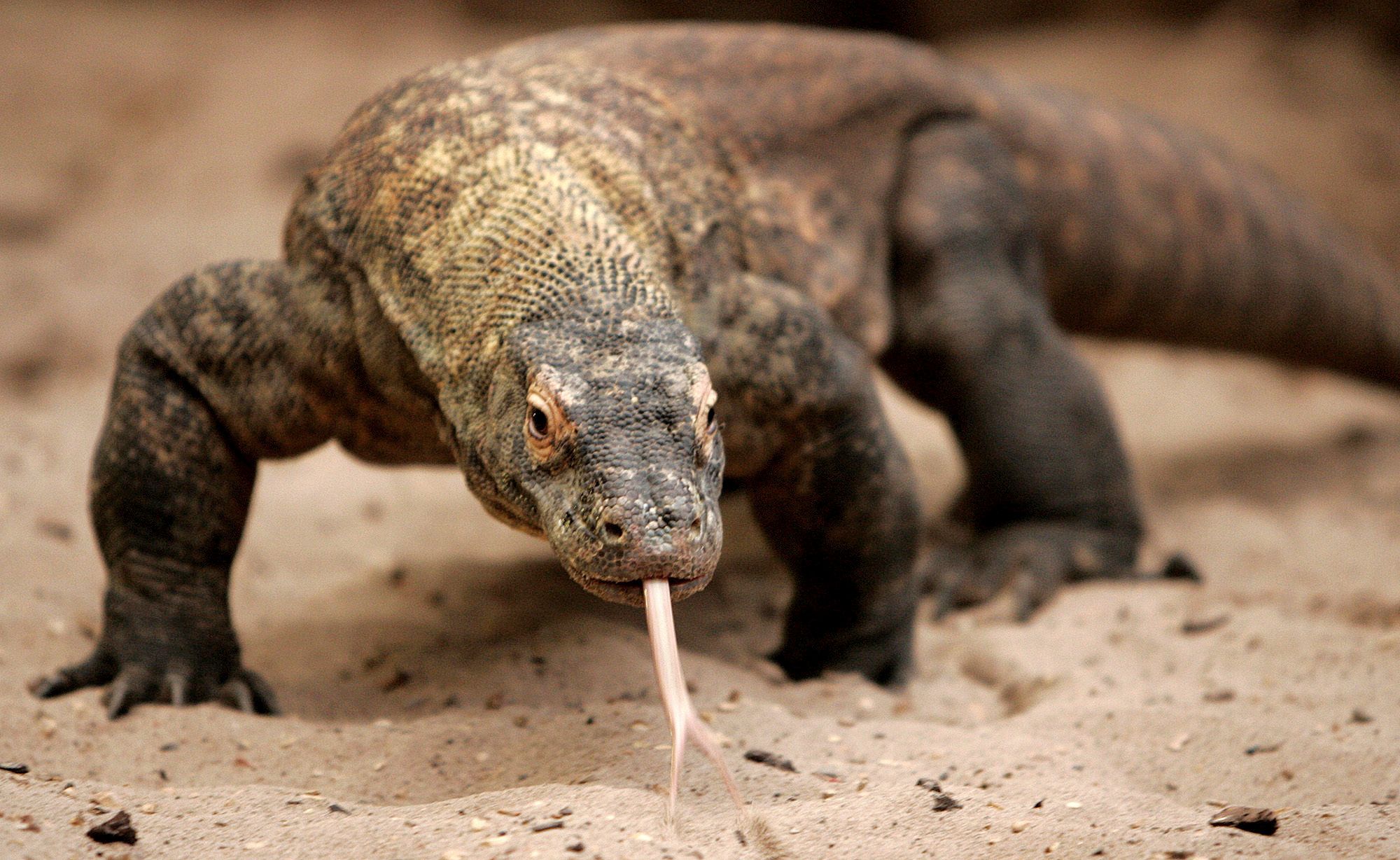
FILE - Flora the Komodo dragon walks around her enclosure at Chester Zoo in Chester, England, Monday Dec. 18, 2006. Flora's virginal conception, and that of another Komodo dragon earlier in the year at the London Zoo, are the first time it had been documented in Komodo dragons. (AP Photo/Dave Thompson, File)

A boa constrictor in the U.K. gave birth to 14 babies — without a mate.


Is it a miracle? The result of a secret rendezvous? Probably not. Females of species have the ability to reproduce asexually, without sperm from a male. The process is called parthenogenesis, from the Greek words for "virgin" and "birth."


Some plants and insects can do it, as well as some amphibians, reptiles, birds and fish. A stingray named Charlotte that was thought to have become pregnant by this method died this week at an aquarium in North Carolina, though she never delivered and it is unclear if she was ever pregnant.


Some wasps, crustaceans and lizards reproduce only through parthenogenesis. But in other species it's rare and usually observed in captivity.


It tends to occur in situations where females are separated from males, said Demian Chapman, who directs the Sharks & Rays Conservation Research Program at the Mote Marine Laboratory & Aquarium in Sarasota, Florida.


The boa in the U.K., a 6-foot, 13-year-old Brazilian Rainbow Boa named Ronaldo, gave birth last week after having no contact with any other snakes for at least nine years, according to the City of Portsmouth College, which kept the snake.


One way parthenogenesis can occur is when a female's egg fuses with another cell, often a cell leftover from a process that allows the female to create the egg. That cell, known as a polar body, gives the egg the genetic information it would normally get from sperm. The cell starts dividing and that leads to the creation of an embryo.


It's unclear how prevalent parthenogenesis is in the wild, Chapman said. But it has happened outside captivity among smalltooth sawfish, an endangered species in Florida's coastal waters.


"We think the females reproduce like that on some occasions because they haven't found a male because there are so few of them," Chapman said.


Offspring from parthenogenesis have less genetic variation, Chapman said, which can lead to developmental problems.


"A litter produced by sexual reproduction is usually much larger than one produced via parthenogenesis if it's an animal that gives birth to litters," Chapman said. "And you will often see individuals in that litter produced by parthenogenesis that don't develop correctly in some way."


ADVERTISEMENT
.most-popular .layout-ratio{ padding-bottom: 79.13%; } @media (min-width: 768px) and (max-width: 1024px) { .widget-title { font-size: 15px !important; } }

{{ articles_filter_1561_widget.title }}

.most-popular .layout-ratio{ padding-bottom: 79.13%; } @media (min-width: 768px) and (max-width: 1024px) { .widget-title { font-size: 15px !important; } }

{{ articles_filter_1562_widget.title }}

.most-popular .layout-ratio{ padding-bottom: 79.13%; } @media (min-width: 768px) and (max-width: 1024px) { .widget-title { font-size: 15px !important; } }

{{ articles_filter_1563_widget.title }}

{{ articles_filter_1564_widget.title }}

.mb-article-details { position: relative; } .mb-article-details .article-body-preview, .mb-article-details .article-body-summary{ font-size: 17px; line-height: 30px; font-family: "Libre Caslon Text", serif; color: #000; } .mb-article-details .article-body-preview iframe , .mb-article-details .article-body-summary iframe{ width: 100%; margin: auto; } .read-more-background { background: linear-gradient(180deg, color(display-p3 1.000 1.000 1.000 / 0) 13.75%, color(display-p3 1.000 1.000 1.000 / 0.8) 30.79%, color(display-p3 1.000 1.000 1.000) 72.5%); position: absolute; height: 200px; width: 100%; bottom: 0; display: flex; justify-content: center; align-items: center; padding: 0; } .read-more-background a{ color: #000; } .read-more-btn { padding: 17px 45px; font-family: Inter; font-weight: 700; font-size: 18px; line-height: 16px; text-align: center; vertical-align: middle; border: 1px solid black; background-color: white; } .hidden { display: none; }
function initializeAllSwipers() { // Get all hidden inputs with cms_article_id document.querySelectorAll('[id^="cms_article_id_"]').forEach(function (input) { const cmsArticleId = input.value; const articleSelector = '#article-' + cmsArticleId + ' .body_images'; const swiperElement = document.querySelector(articleSelector); if (swiperElement && !swiperElement.classList.contains('swiper-initialized')) { new Swiper(articleSelector, { loop: true, pagination: false, navigation: { nextEl: '#article-' + cmsArticleId + ' .swiper-button-next', prevEl: '#article-' + cmsArticleId + ' .swiper-button-prev', }, }); } }); } setTimeout(initializeAllSwipers, 3000); const intersectionObserver = new IntersectionObserver( (entries) => { entries.forEach((entry) => { if (entry.isIntersecting) { const newUrl = entry.target.getAttribute("data-url"); if (newUrl) { history.pushState(null, null, newUrl); let article = entry.target; // Extract metadata const author = article.querySelector('.author-section').textContent.replace('By', '').trim(); const section = article.querySelector('.section-info ').textContent.replace(' ', ' '); const title = article.querySelector('.article-title h1').textContent; // Parse URL for Chartbeat path format const parsedUrl = new URL(newUrl, window.location.origin); const cleanUrl = parsedUrl.host + parsedUrl.pathname; // Update Chartbeat configuration if (typeof window._sf_async_config !== 'undefined') { window._sf_async_config.path = cleanUrl; window._sf_async_config.sections = section; window._sf_async_config.authors = author; } // Track virtual page view with Chartbeat if (typeof pSUPERFLY !== 'undefined' && typeof pSUPERFLY.virtualPage === 'function') { try { pSUPERFLY.virtualPage({ path: cleanUrl, title: title, sections: section, authors: author }); } catch (error) { console.error('ping error', error); } } // Optional: Update document title if (title && title !== document.title) { document.title = title; } } } }); }, { threshold: 0.1 } ); function showArticleBody(button) { const article = button.closest("article"); const summary = article.querySelector(".article-body-summary"); const body = article.querySelector(".article-body-preview"); const readMoreSection = article.querySelector(".read-more-background"); // Hide summary and read-more section summary.style.display = "none"; readMoreSection.style.display = "none"; // Show the full article body body.classList.remove("hidden"); } document.addEventListener("DOMContentLoaded", () => { let loadCount = 0; // Track how many times articles are loaded const offset = [1, 2, 3, 4, 5, 6, 7, 8, 9, 10]; // Offset values const currentUrl = window.location.pathname.substring(1); let isLoading = false; // Prevent multiple calls if (!currentUrl) { console.log("Current URL is invalid."); return; } const sentinel = document.getElementById("load-more-sentinel"); if (!sentinel) { console.log("Sentinel element not found."); return; } function isSentinelVisible() { const rect = sentinel.getBoundingClientRect(); return ( rect.top < window.innerHeight && rect.bottom >= 0 ); } function onScroll() { if (isLoading) return; if (isSentinelVisible()) { if (loadCount >= offset.length) { console.log("Maximum load attempts reached."); window.removeEventListener("scroll", onScroll); return; } isLoading = true; const currentOffset = offset[loadCount]; window.loadMoreItems().then(() => { let article = document.querySelector('#widget_1690 > div:nth-last-of-type(2) article'); intersectionObserver.observe(article) loadCount++; }).catch(error => { console.error("Error loading more items:", error); }).finally(() => { isLoading = false; }); } } window.addEventListener("scroll", onScroll); });

Sign up by email to receive news.