ADVERTISEMENT

Equal opportunity for all

Published Jul 25, 2024 10:49 pm

NIGHT OWL

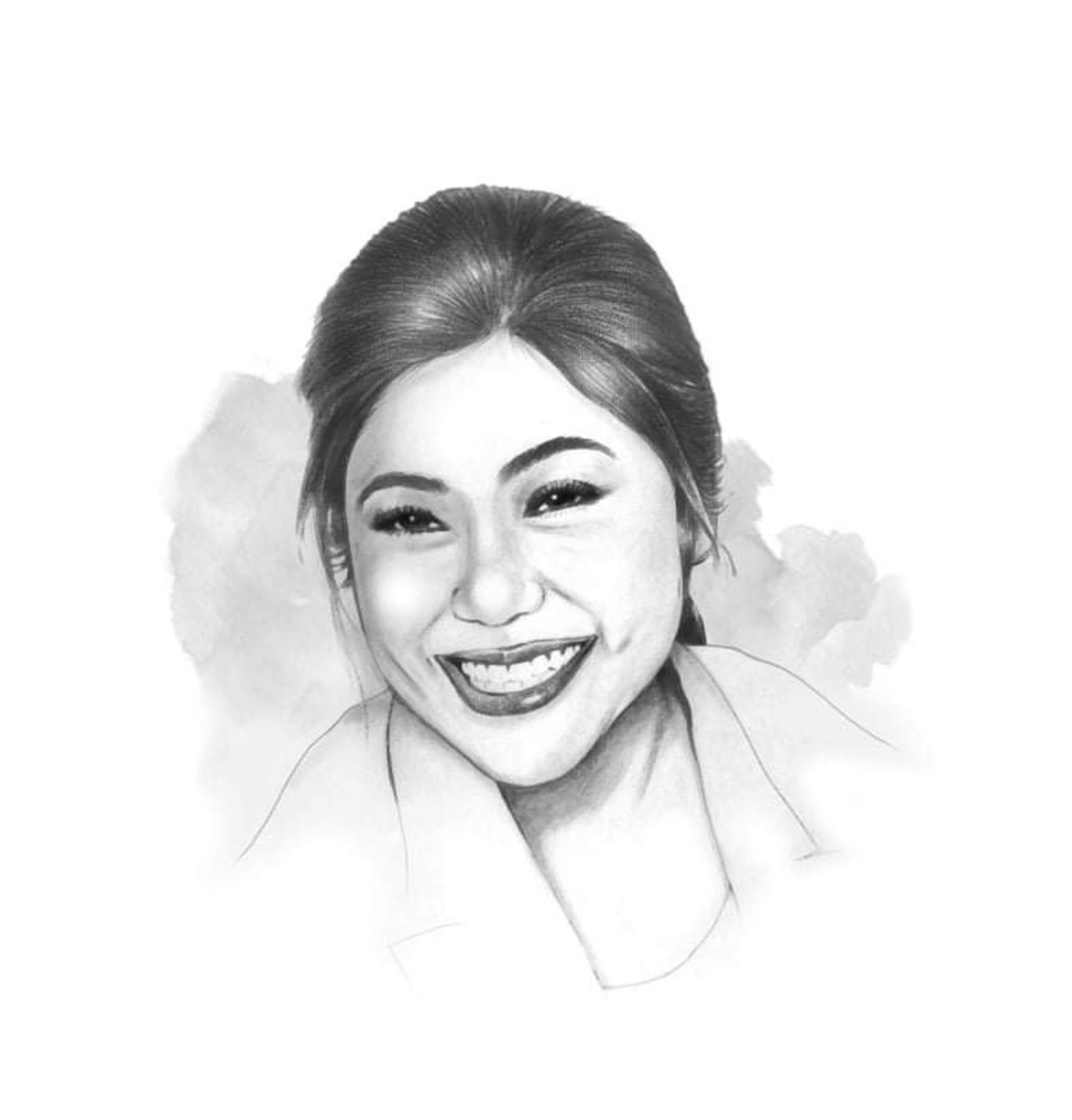
Anna Mae Lamentillo.jpg

We cannot choose the circumstances into which we are born. In fact, we only realize that there are differences in life when we start interacting with other people and see the disparity in our way of living, how we access basic needs, the way we are the treated, the availability and accessibility of opportunities.

Although we all have the capability to tread a different path, such as a better way of life than the one we were born into, our success also depends on the opportunities present in the society we live in.

The United Nations Development Programme (UNDP) says that, “a society, regardless of average income, education and public health, is not truly developed unless all its citizens receive equal opportunities.”

There are four uncontroversial and universal circumstance that impact a person’s circumstances. These are parental income or educational level, ethnicity, gender, and upbringing in a rural versus urban household.

The UNDP argues that while an individual’s circumstances, as well as their choices, determines their success, there is another important factor — the public policy that enables economic and social environments in which an individual can find success despite their circumstances.

While it is true that education is the great equalizer, education alone cannot guarantee success. A child who goes to school hungry will not be able to focus well, and without proper nutrition, may have more difficulty understanding lessons. When he gets sick, it lessens his chances of catching up. 

We need to invest in education and health and ensure that citizens, especially children, have access to these basic services, so that whatever circumstances they are born into, they will have a greater chance to succeed in life because society has provided them with their fundamental needs.

But our policies also need to be fair for all — creating communities that do not discriminate based on color, ethnicity, faith, gender, and ability.

In its 2022 policy brief on “Equality of Opportunity as a Measure of Development,” the UNDP recommends that, aside from investment in public education and public health targeted to low-income families — which will aid human capital formation and alleviate inequalities in human capital — it is also important to have policies that encourage the spread of economic activity across regional geographies. 

We also need anti-discrimination laws that will make it illegal to discriminate on the basis of race, ethnicity and social category. As well as laws and policies that will require minimum quotas for disadvantaged groups in education, politics and the economy.

Moreover, we also need policies that address the inequality of circumstances for those disadvantaged by physical and mental disability by ensuring special needs education, access to mental healthcare, and supportive infrastructure that enables those with physical and mental disabilities to contribute and participate as active members of society.

We must create a society where people would not feel unfair because they are not able to access opportunities that can improve their lives. 

Our hope is that, when a child dreams, he or she can dream of becoming the President of the country, a CEO of a company, a doctor, a teacher, a lawyer, an artist, an athlete, or whoever they want to be. 

Our hope is that we build a society where opportunities will be equal for all, that the only remaining determining factor for an individual to succeed in life is his own choice.

Related Tags

NIGHT OWL Anna Mae Lamentillo
ADVERTISEMENT
.most-popular .layout-ratio{ padding-bottom: 79.13%; } @media (min-width: 768px) and (max-width: 1024px) { .widget-title { font-size: 15px !important; } }

{{ articles_filter_1561_widget.title }}

.most-popular .layout-ratio{ padding-bottom: 79.13%; } @media (min-width: 768px) and (max-width: 1024px) { .widget-title { font-size: 15px !important; } }

{{ articles_filter_1562_widget.title }}

.most-popular .layout-ratio{ padding-bottom: 79.13%; } @media (min-width: 768px) and (max-width: 1024px) { .widget-title { font-size: 15px !important; } }

{{ articles_filter_1563_widget.title }}

{{ articles_filter_1564_widget.title }}

.mb-article-details { position: relative; } .mb-article-details .article-body-preview, .mb-article-details .article-body-summary{ font-size: 17px; line-height: 30px; font-family: "Libre Caslon Text", serif; color: #000; } .mb-article-details .article-body-preview iframe , .mb-article-details .article-body-summary iframe{ width: 100%; margin: auto; } .read-more-background { background: linear-gradient(180deg, color(display-p3 1.000 1.000 1.000 / 0) 13.75%, color(display-p3 1.000 1.000 1.000 / 0.8) 30.79%, color(display-p3 1.000 1.000 1.000) 72.5%); position: absolute; height: 200px; width: 100%; bottom: 0; display: flex; justify-content: center; align-items: center; padding: 0; } .read-more-background a{ color: #000; } .read-more-btn { padding: 17px 45px; font-family: Inter; font-weight: 700; font-size: 18px; line-height: 16px; text-align: center; vertical-align: middle; border: 1px solid black; background-color: white; } .hidden { display: none; }
function initializeAllSwipers() { // Get all hidden inputs with cms_article_id document.querySelectorAll('[id^="cms_article_id_"]').forEach(function (input) { const cmsArticleId = input.value; const articleSelector = '#article-' + cmsArticleId + ' .body_images'; const swiperElement = document.querySelector(articleSelector); if (swiperElement && !swiperElement.classList.contains('swiper-initialized')) { new Swiper(articleSelector, { loop: true, pagination: false, navigation: { nextEl: '#article-' + cmsArticleId + ' .swiper-button-next', prevEl: '#article-' + cmsArticleId + ' .swiper-button-prev', }, }); } }); } setTimeout(initializeAllSwipers, 3000); const intersectionObserver = new IntersectionObserver( (entries) => { entries.forEach((entry) => { if (entry.isIntersecting) { const newUrl = entry.target.getAttribute("data-url"); if (newUrl) { history.pushState(null, null, newUrl); let article = entry.target; // Extract metadata const author = article.querySelector('.author-section').textContent.replace('By', '').trim(); const section = article.querySelector('.section-info ').textContent.replace(' ', ' '); const title = article.querySelector('.article-title h1').textContent; // Parse URL for Chartbeat path format const parsedUrl = new URL(newUrl, window.location.origin); const cleanUrl = parsedUrl.host + parsedUrl.pathname; // Update Chartbeat configuration if (typeof window._sf_async_config !== 'undefined') { window._sf_async_config.path = cleanUrl; window._sf_async_config.sections = section; window._sf_async_config.authors = author; } // Track virtual page view with Chartbeat if (typeof pSUPERFLY !== 'undefined' && typeof pSUPERFLY.virtualPage === 'function') { try { pSUPERFLY.virtualPage({ path: cleanUrl, title: title, sections: section, authors: author }); } catch (error) { console.error('ping error', error); } } // Optional: Update document title if (title && title !== document.title) { document.title = title; } } } }); }, { threshold: 0.1 } ); function showArticleBody(button) { const article = button.closest("article"); const summary = article.querySelector(".article-body-summary"); const body = article.querySelector(".article-body-preview"); const readMoreSection = article.querySelector(".read-more-background"); // Hide summary and read-more section summary.style.display = "none"; readMoreSection.style.display = "none"; // Show the full article body body.classList.remove("hidden"); } document.addEventListener("DOMContentLoaded", () => { let loadCount = 0; // Track how many times articles are loaded const offset = [1, 2, 3, 4, 5, 6, 7, 8, 9, 10]; // Offset values const currentUrl = window.location.pathname.substring(1); let isLoading = false; // Prevent multiple calls if (!currentUrl) { console.log("Current URL is invalid."); return; } const sentinel = document.getElementById("load-more-sentinel"); if (!sentinel) { console.log("Sentinel element not found."); return; } function isSentinelVisible() { const rect = sentinel.getBoundingClientRect(); return ( rect.top < window.innerHeight && rect.bottom >= 0 ); } function onScroll() { if (isLoading) return; if (isSentinelVisible()) { if (loadCount >= offset.length) { console.log("Maximum load attempts reached."); window.removeEventListener("scroll", onScroll); return; } isLoading = true; const currentOffset = offset[loadCount]; window.loadMoreItems().then(() => { let article = document.querySelector('#widget_1690 > div:nth-last-of-type(2) article'); intersectionObserver.observe(article) loadCount++; }).catch(error => { console.error("Error loading more items:", error); }).finally(() => { isLoading = false; }); } } window.addEventListener("scroll", onScroll); });

Sign up by email to receive news.