






 Opinion
Over half of Filipino families consider themselves 'poor'; nearly a third regard themselves 'not poor'
Opinion
Over half of Filipino families consider themselves 'poor'; nearly a third regard themselves 'not poor'
Over half of Filipino families consider themselves 'poor'; nearly a third regard themselves 'not poor'


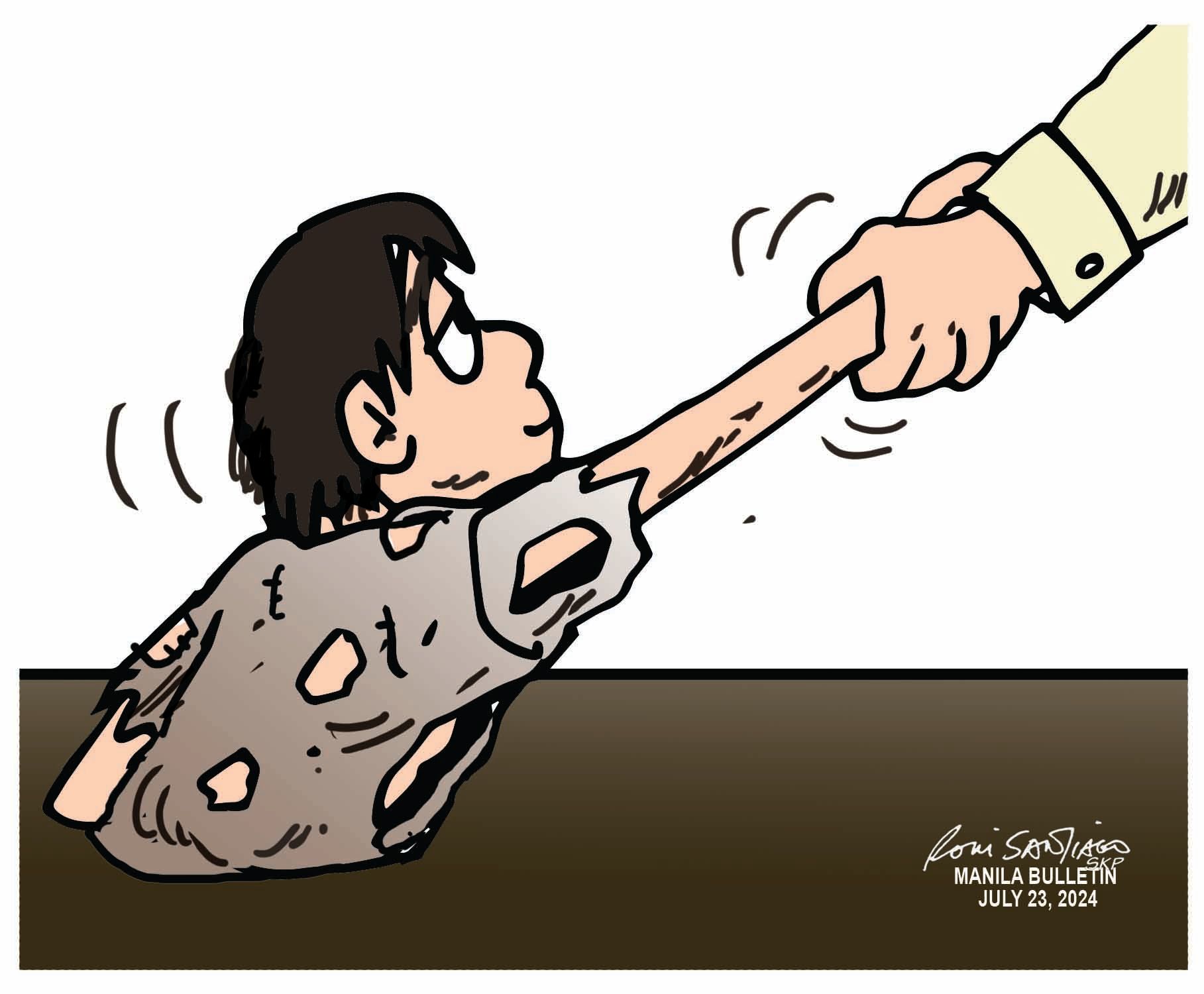
A recent survey conducted by the Social Weather Stations from June 23 to July 1, had two significant findings. First, 58 percent of the respondents rated their families poor, up by 12 percent from the March 2024 figures. Second, 30 percent rated their families “not poor”, up seven points from 23 percent in March 2024.
The number of self-rated “poor” families is the highest recorded level by SWS since June 2008 during the Arroyo administration. In absolute figures, the 58 percent self-rated “poor” number 16 million families, compared to 12.9 families in March 2024.
The number of self-rated “not poor” families at 30 percent matched the highest recorded level obtained in December 2014, during the Aquino administration; it is higher by seven points from the March 2024 level.
These mixed results highlight the uneven outcomes of the administration’s efforts to maintain a high level of economic growth that will enable as many Filipino families to attain a comfortable quality of life.
Simply stated, these results underline the urgency of addressing the plight of those living in the margins. They hover between being “poor” and “not poor” on account of several factors, chief among these is their level of being employed, under-employed or unemployed, as this determines whether or not they have certainty of income and subsequently, assurance of having food on the table.
President Marcos has demonstrated his administration’s concern by going to the countryside to extend assistance to those pushed to the margins by natural exigencies like the El Niño and La Niña phenomena, especially farmers and fisherfolk whose sources of livelihood have been impaired and disrupted.
Beyond providing remedial assistance, the administration has also been laying the institutional framework for ensuring that vital reforms produce lasting benefits. The Department of Labor and Employment has spearheaded a whole-of-society approach that focuses on the creation of quality and decent jobs through the Trabaho Para sa Bayan Plan. Beyond job-skills matching, there is also a Philippine Labor and Employment Plan an a Workforce Development Plan that underpins the massive development plan aimed at creating at least three million new jobs by 2028. These plans include strategies for ensuring workers’ welfare, empowerment, competitiveness, and security
Equally noteworthy is the attainment of an all-time high level of “not poor” self-ratings. This indicates an acknowledgment by those concerned that, by dint of their hard work and perseverance, they have achieved a level of sufficiency in terms of providing for their families’ food, clothing and shelter needs.
If around a third of the nation’s population consider themselves “not poor” and nearly six out of every ten regard themselves as “poor”, then we are looking at the reality that nearly two-thirds of all Filipinos need special attention and support from the government, civil society and other concerned sectors. This also underscores the need for systemic reforms that will enable sustained levels of employment, and assure provision of vital services such as proper nutrition, inclusive health care, efficient mass transportation facilities, and a healthy environment for all.