







DTI empowers MSMEs through dedicated programs on digitalization
By MB Business


The Department of Trade and Industry (DTI) is making significant strides to support micro, small, and medium enterprises (MSMEs) under its thrust of ANGAT Negosyo. These initiatives have a special focus on empowering MSMEs in terms of digitalization efforts, targeting their competitiveness and scalability, and ensuring that they remain vital contributors to the nation’s economy.
ANGAT Negosyo paving the way
In line with the DTI’s ANGAT Negosyo mission, the Department is making digital technologies accessible to MSMEs' operations. This provision aims to lower costs, boost productivity, and widen the business’ market reach. By offering access to advanced technologies and skilled resources, the DTI envisions that MSMEs can effectively adapt to the challenges of the ever-evolving business environment.
Impressive support and accomplishments
From January to December 2023, the DTI has assisted over 500,000 MSMEs nationwide, reflecting the Department's solid commitment to this sector. One of the cornerstone projects of DTI’s MSME Development Group is the Shared Service Facility (SSF) Project. Present in all 17 regions of the country, the SSF Project has established 3,556 facilities as of May 31, 2024. These facilities, valued at P2.78 billion, provide essential equipment and infrastructure to MSMEs across various sectors, benefiting 659,302 existing and potential MSMEs and generating 366,950 jobs.
Digitalization: A path to growth
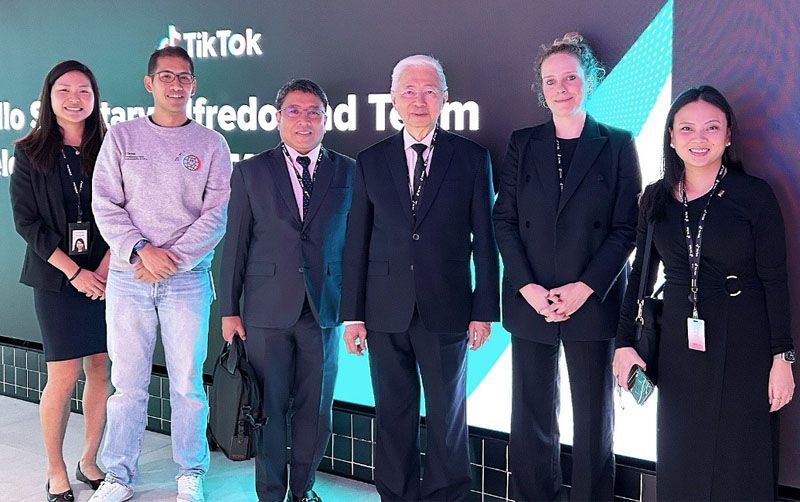
Digitalization is a critical focus for the DTI as it seeks to improve MSMEs’ operational efficiency and market reach. By using digital tools and platforms, MSMEs can now streamline their processes, improve customer engagement, and access new markets. This not only boosts their productivity but also positions them to compete on a larger scale.
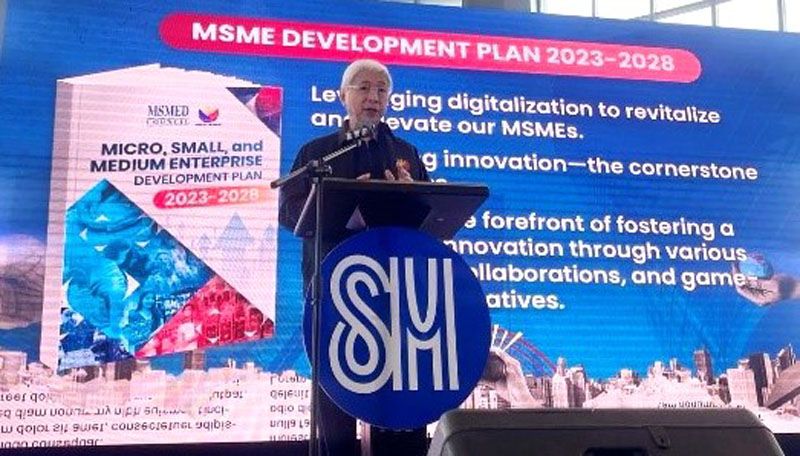
DTI Secretary Fred Pascual emphasized the importance of MSMEs, “MSMEs are the lifeblood of our nation's economy. With over 1.1 million business establishments, they are the unsung heroes who drive innovation, create jobs, and fuel growth across our technology.”
Successful ventures
Badiang Self-Help Multi-Purpose Cooperative (BASHMUCO), based in Anda, Bohol, specializes in banana chip processing. Initially, BASHMUCO faced significant challenges with manual production and limited market reach. The cooperative’s fortune took a turn for the good when DTI Bohol extended support through the Shared Service Facility (SSF) Program, providing essential facilities to enhance its production process.
The SSF Program's intervention proved to help improve the quality of their banana chips. The DTI's assistance was more comprehensive than providing access to facilities. The agency also helped rebrand the cooperative's product. The original BASHMUCO brand was transformed into Andalicious. This name not only reflects the delicious taste of the product but also carries the local charm of Anda, where it is manufactured. The rebranding effort included an upgrade in packaging, featuring a more classic design and larger label size, significantly boosting the product's market appeal.
“It wasn’t only the equipment that helped our banana chips, but also the marketing assistance and training the DTI has given to us,” said Nora Escobido, a BASHMUCO staff member.
With the DTI's support, Andalicious has now penetrated a wide domestic market. Market missions and trade fairs, both within and outside Bohol. This support has played a vital role in increasing the product's visibility and attracting new buyers.
The impact of the DTI's interventions on BASHMUCO has been outstanding. The cooperative's source of income has experienced a significant increase, with 80 percent of its sales now coming from banana chip processing. Its revenue escalated from P1.5 million in 2017 to P2 million in 2019, with average monthly sales reaching P150,000. Employment has also seen a positive change, with the cooperative now employing sixteen individuals, all receiving minimum wage and mandatory benefits.
Another notable transformation was experienced by the Santa Fe Upland Farmers Association of Zamboanga del Norte. There was no proper machinery for their abaca processing; thus, production was slow. Everything was done manually, resulting in limited output. Through the DTI’s effort, decorticating machines, and spindle machines were provided under the Department’s Shared Service Facility (SSF) Project, which increased production from 800-1000 kilograms to 3000-4000kg. Apart from boosting the production capacity, it also generated more jobs and substantially contributed to the increased income of the association members.
The road ahead
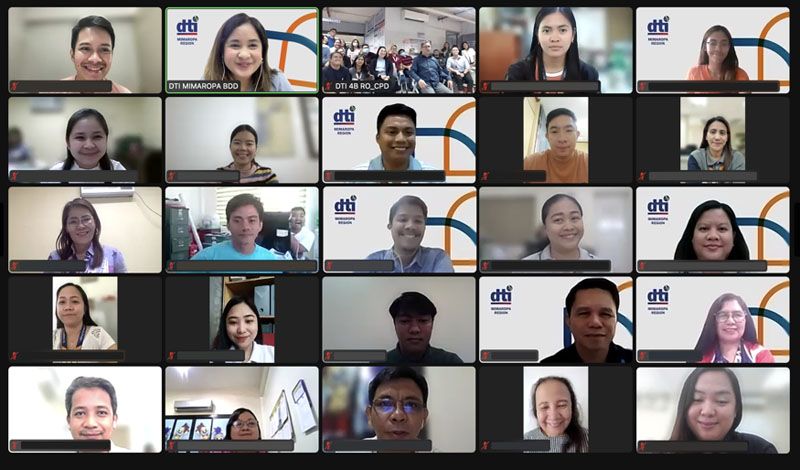
As the digital landscape continues to evolve, the DTI remains dedicated to empowering MSMEs with the tools and knowledge they need to succeed. Through sustainable support, the DTI continues to help MSMEs navigate the challenges of digital transformation and harness its benefits to drive economic growth.
For MSMEs, embracing digitalization is now made easier through the resources provided by the DTI. The future of business is digital, and with the DTI’s support, MSMEs are encouraged to participate and support the DTI’s programs and take advantage of the available resources. Angat Negosyo para sa Bagong Pilipinas!