

ADVERTISEMENT

Economic sabotage, swindling of seniors punished harshly under AFASA--Romualdez 

Published Jul 20, 2024 07:08 am

At A Glance

  • House Speaker Martin Romualdez highlighted on Saturday, July 20 the penalty provision of the Republic Act (RA) No. 12010, which President Marcos signed into law that same morning in Malacañang. 
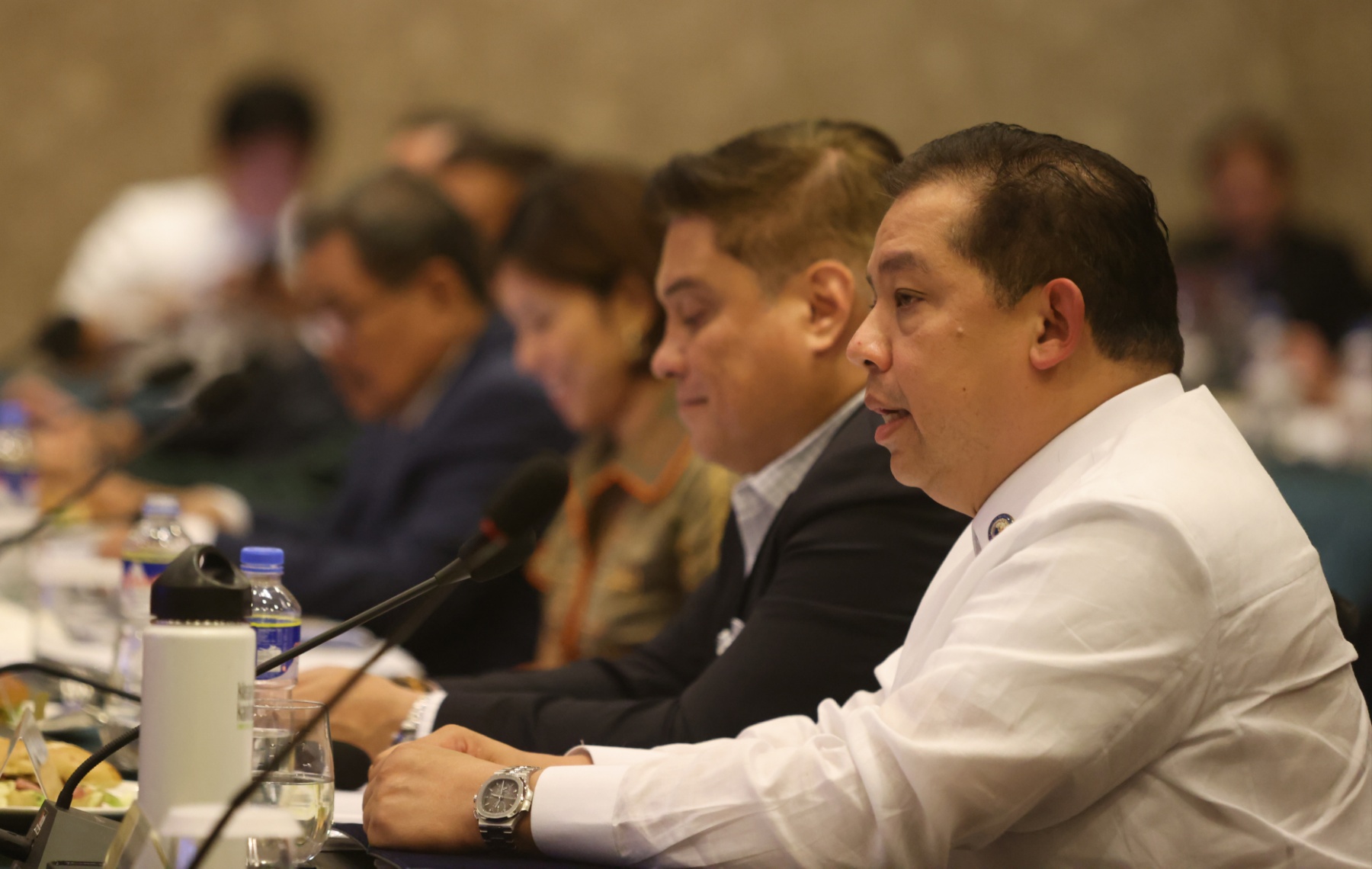
IMG-38c2c313f121aea31c2707bf69cd455c-V.jpgHouse Speaker Martin Romualdez (Speaker’s office)


If harsh penalties can deter people from committing certain crimes, then the newly-enacted Anti-Financial Accounts Scamming Act (AFASA) delivers such punishment in spades. 

House Speaker Martin Romualdez highlighted on Saturday, July 20 the penalty provision of the Republic Act (RA) No. 12010, which President Marcos signed into law that same morning in Malacañang. 

“The penalties under this law are designed to serve as a strong deterrent against financial fraud and cybercrime, reflecting our commitment to upholding justice and protecting our citizens,” he said. 

Economic sabotage under the new law can result to life imprisonment and fines between P1 million and P5 million. 

Money muling under AFASA can result to six to eight years of imprisonment for the violators, plus fines ranging from P100,000 to P500,000. 

Social engineering schemes can lead to a 10 to 12-year jail term and fines between P500,000 and P1 million. Worth noting are the even harsher penalties for individuals who target senior citizens, which is 12 to 14 years of imprisonment plus fines of P1 million to P2 million. 

Other offenses carry various jail terms and fines, including disqualification from holding public office for government officials. 

The Regional Trial Court (RTC) will handle AFASA violations if any part of the offense occurs within the Philippines or affects individuals or accounts within the country. 

The law grants the Bangko Sentral ng Pilipinas (BSP) extensive powers to enforce its provisions, including investigating financial accounts involved in fraudulent activities and applying for cybercrime warrants. 

The BSP is also tasked with promulgating the implementing rules and regulations within one year of the law’s effectivity. 

Speaker Romualdez cited the long-term impact of AFASA on the country’s economic stability and growth. 

“A secure financial system is crucial for sustaining economic development and attracting investment. With AFASA in place, we are sending a strong message that the Philippines is committed to maintaining a safe and transparent financial landscape,” he pointed out. 

“This will not only deter criminal activities but also promote a culture of integrity and accountability across all levels of our financial system,” added the Leyte 1st district congressman. 

The House chief called for continued vigilance and cooperation from all sectors to ensure the successful implementation of AFASA. 

“Our work does not end with the signing of this law. It requires ongoing vigilance, cooperation, and commitment from everyone—government agencies, financial institutions, and the public,” he said. 

“Together, we can create a financial system that is not only secure but also fosters trust and confidence among all Filipinos,”  Romualdez further said. 


Related Tags

Martin Romualdez economic sabotage AFASA
ADVERTISEMENT
.most-popular .layout-ratio{ padding-bottom: 79.13%; } @media (min-width: 768px) and (max-width: 1024px) { .widget-title { font-size: 15px !important; } }

{{ articles_filter_1561_widget.title }}

.most-popular .layout-ratio{ padding-bottom: 79.13%; } @media (min-width: 768px) and (max-width: 1024px) { .widget-title { font-size: 15px !important; } }

{{ articles_filter_1562_widget.title }}

.most-popular .layout-ratio{ padding-bottom: 79.13%; } @media (min-width: 768px) and (max-width: 1024px) { .widget-title { font-size: 15px !important; } }

{{ articles_filter_1563_widget.title }}

{{ articles_filter_1564_widget.title }}

.mb-article-details { position: relative; } .mb-article-details .article-body-preview, .mb-article-details .article-body-summary{ font-size: 17px; line-height: 30px; font-family: "Libre Caslon Text", serif; color: #000; } .mb-article-details .article-body-preview iframe , .mb-article-details .article-body-summary iframe{ width: 100%; margin: auto; } .read-more-background { background: linear-gradient(180deg, color(display-p3 1.000 1.000 1.000 / 0) 13.75%, color(display-p3 1.000 1.000 1.000 / 0.8) 30.79%, color(display-p3 1.000 1.000 1.000) 72.5%); position: absolute; height: 200px; width: 100%; bottom: 0; display: flex; justify-content: center; align-items: center; padding: 0; } .read-more-background a{ color: #000; } .read-more-btn { padding: 17px 45px; font-family: Inter; font-weight: 700; font-size: 18px; line-height: 16px; text-align: center; vertical-align: middle; border: 1px solid black; background-color: white; } .hidden { display: none; }
function initializeAllSwipers() { // Get all hidden inputs with cms_article_id document.querySelectorAll('[id^="cms_article_id_"]').forEach(function (input) { const cmsArticleId = input.value; const articleSelector = '#article-' + cmsArticleId + ' .body_images'; const swiperElement = document.querySelector(articleSelector); if (swiperElement && !swiperElement.classList.contains('swiper-initialized')) { new Swiper(articleSelector, { loop: true, pagination: false, navigation: { nextEl: '#article-' + cmsArticleId + ' .swiper-button-next', prevEl: '#article-' + cmsArticleId + ' .swiper-button-prev', }, }); } }); } setTimeout(initializeAllSwipers, 3000); const intersectionObserver = new IntersectionObserver( (entries) => { entries.forEach((entry) => { if (entry.isIntersecting) { const newUrl = entry.target.getAttribute("data-url"); if (newUrl) { history.pushState(null, null, newUrl); let article = entry.target; // Extract metadata const author = article.querySelector('.author-section').textContent.replace('By', '').trim(); const section = article.querySelector('.section-info ').textContent.replace(' ', ' '); const title = article.querySelector('.article-title h1').textContent; // Parse URL for Chartbeat path format const parsedUrl = new URL(newUrl, window.location.origin); const cleanUrl = parsedUrl.host + parsedUrl.pathname; // Update Chartbeat configuration if (typeof window._sf_async_config !== 'undefined') { window._sf_async_config.path = cleanUrl; window._sf_async_config.sections = section; window._sf_async_config.authors = author; } // Track virtual page view with Chartbeat if (typeof pSUPERFLY !== 'undefined' && typeof pSUPERFLY.virtualPage === 'function') { try { pSUPERFLY.virtualPage({ path: cleanUrl, title: title, sections: section, authors: author }); } catch (error) { console.error('ping error', error); } } // Optional: Update document title if (title && title !== document.title) { document.title = title; } } } }); }, { threshold: 0.1 } ); function showArticleBody(button) { const article = button.closest("article"); const summary = article.querySelector(".article-body-summary"); const body = article.querySelector(".article-body-preview"); const readMoreSection = article.querySelector(".read-more-background"); // Hide summary and read-more section summary.style.display = "none"; readMoreSection.style.display = "none"; // Show the full article body body.classList.remove("hidden"); } document.addEventListener("DOMContentLoaded", () => { let loadCount = 0; // Track how many times articles are loaded const offset = [1, 2, 3, 4, 5, 6, 7, 8, 9, 10]; // Offset values const currentUrl = window.location.pathname.substring(1); let isLoading = false; // Prevent multiple calls if (!currentUrl) { console.log("Current URL is invalid."); return; } const sentinel = document.getElementById("load-more-sentinel"); if (!sentinel) { console.log("Sentinel element not found."); return; } function isSentinelVisible() { const rect = sentinel.getBoundingClientRect(); return ( rect.top < window.innerHeight && rect.bottom >= 0 ); } function onScroll() { if (isLoading) return; if (isSentinelVisible()) { if (loadCount >= offset.length) { console.log("Maximum load attempts reached."); window.removeEventListener("scroll", onScroll); return; } isLoading = true; const currentOffset = offset[loadCount]; window.loadMoreItems().then(() => { let article = document.querySelector('#widget_1690 > div:nth-last-of-type(2) article'); intersectionObserver.observe(article) loadCount++; }).catch(error => { console.error("Error loading more items:", error); }).finally(() => { isLoading = false; }); } } window.addEventListener("scroll", onScroll); });

Sign up by email to receive news.