

ADVERTISEMENT

This business pushes for better access to basic hygiene

Sato, Lixil's social enterprise, develops sanitation products that use less water

Published Jul 18, 2024 03:26 pm

A report by the National Economic and Development Authority states that only 84 percent of Filipino families have access to basic hygiene. This leaves some 17 million Filipinos without toilets and tap water to use for sanitation. But for this social business, access to clean water is possible and can be sustainable.

Sato, Lixil’s first social enterprise, aims to develop affordable sanitation products that require less water usage. It partnered with UNICEF for the "Make a Splash!" initiative, which sought to promote safe sanitation, help increase the supply of hygiene products, and contribute to strengthening their markets.
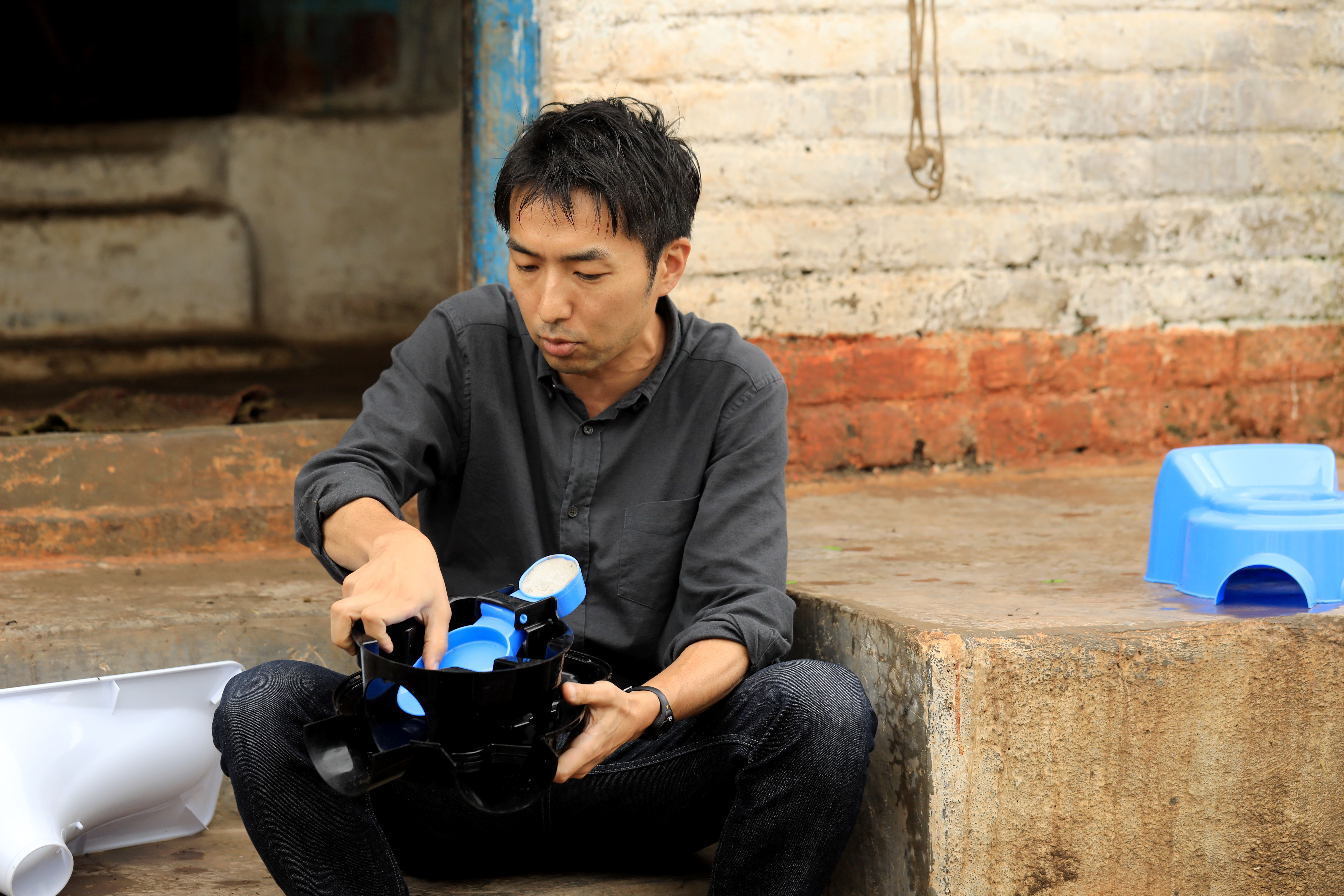
two.jpg
Sato's products help solve problems in places without running water or sewer systems.

Hygiene can be sustainable 

According to the company, its water-saving features have been a vital value proposition integrated into its products, which range from toilet pans to connection systems for taps used in washing. 

The business has designed toilets that use "less than 80 percent of the water used by conventional flush toilets" or “less than one liter per flush,” helping provide access to basic hygiene with sustainability in mind. 

“We’ve applied the same thinking to handwashing. The Sato Tap was developed to maximize water efficiency by using every drop of water it dispenses, allowing handwashing to be done with as little as 100 ml of water,” said Erin McCusker, senior VP and leader at Sato, who was also among the speakers in the recently held 10th World Water Forum.

one.jpg
Erin McCusker

As per McCusker, the water-saving feature has been made possible through Sato’s “R&D expertise and Japanese heritage, as well as leadership in housing products and water technology.” Meanwhile, the social enterprise manufactures locally with its partner Manly Plastic, a provider of end-to-end plastic solutions for over five decades. 

Sato’s social targets and successes 

McCusker highlighted that partnerships play vital roles in their business as they work with local manufacturers, retailers, governments, and NGOs to help improve access to basic sanitation, stating, “We act as a technology partner for national, regional, and local governments wishing to tackle sanitation and hygiene gaps within their community.” 

The company seeks to follow SDG 6.2, a global goal that aims to provide “access to adequate and equitable sanitation and hygiene for all and end open defecation, paying special attention to the needs of women and girls and those in vulnerable situations by 2030.”
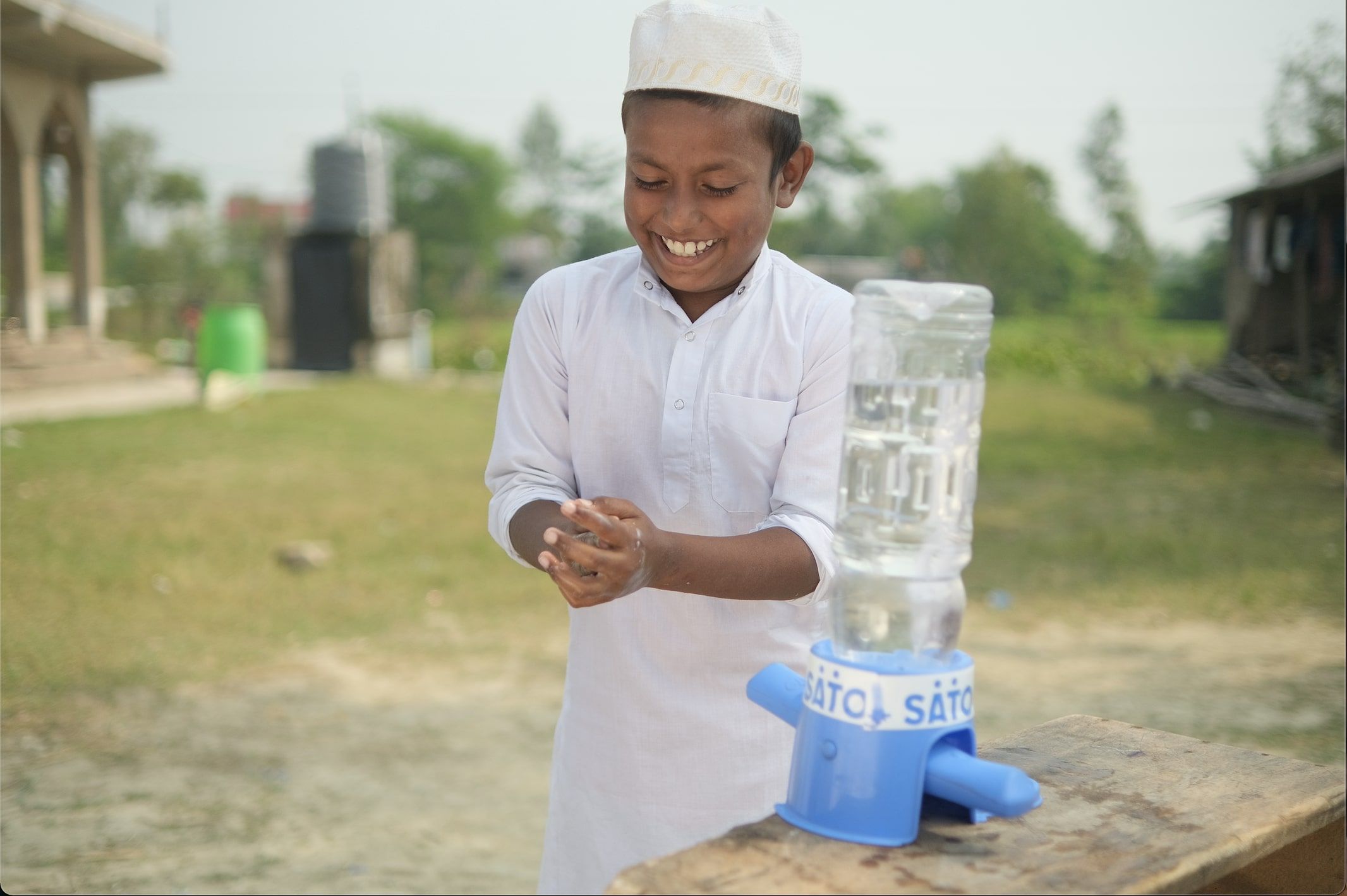
strapi.jpg
A child washes his hands with a Sato tap.

Locally, the business has partnered with Ahon sa Hirap Inc., the Negros Women for Tomorrow Foundation, and other institutions to improve sanitation in communities lacking basic hygiene. Sato's social targets are also evident in its partnerships with international NGOs and inter-governmental organizations, such as USAID and BRAC, which work directly with communities to promote better sanitation. 

“Sato is Lixil’s first social enterprise and is managed like any other Lixil business, operating with a P&L, sales targets, supply chain management, and marketing,” she said. “The only difference between Sato and the more traditional businesses is that it has both financial and social targets to achieve.” 

Established in 2013, Sato said it has supplied basic sanitation and hygiene solutions across 46 countries, including the Philippines, as of June 2024. 

The company is developing products made from 100 percent recycled waste in the pipeline to be launched later in 2024. The products aim to "allow for off-grid safely managed sanitation matching the specific needs of the humanitarian sector."
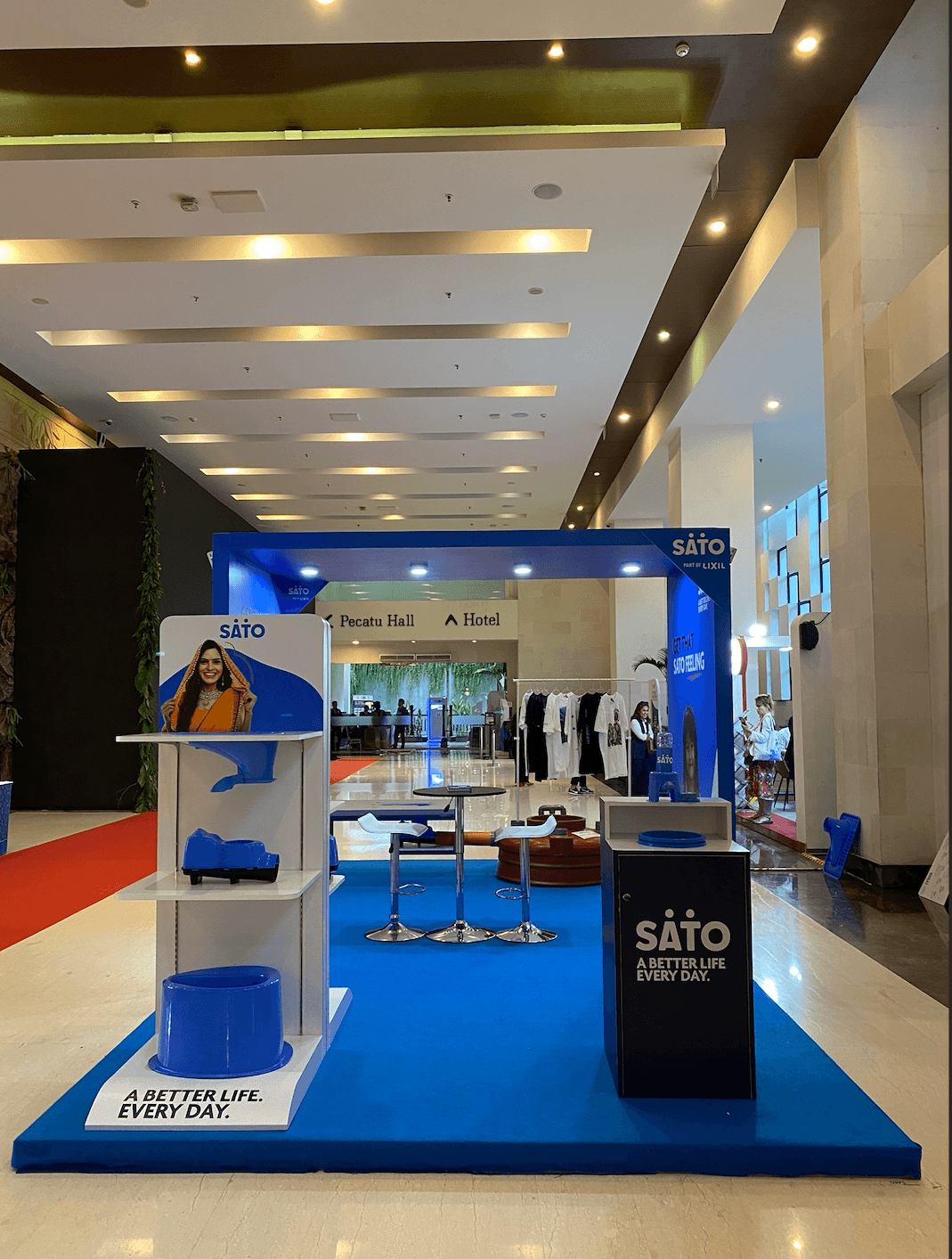
Screen Shot 2024-07-18 at 5.47.05 PM.png
Sato participates at the 10th World Water Forum in Indonesia.

While the lack of access to basic sanitation remains a challenge for millions of Filipinos, collective efforts and initiatives, such as those of Sato and its partnerships, help prove that basic hygiene is achievable and can be eco-friendly. 

May this challenge serve as a reminder of water's finite nature, and that we must do our part to conserve it and practice sustainability; lest we forget, they are needed steps for the Earth to remain habitable in the future.

Related Tags

Lixil MBEnvironment Sato Erin McCusker
ADVERTISEMENT
.most-popular .layout-ratio{ padding-bottom: 79.13%; } @media (min-width: 768px) and (max-width: 1024px) { .widget-title { font-size: 15px !important; } }

{{ articles_filter_1561_widget.title }}

.most-popular .layout-ratio{ padding-bottom: 79.13%; } @media (min-width: 768px) and (max-width: 1024px) { .widget-title { font-size: 15px !important; } }

{{ articles_filter_1562_widget.title }}

.most-popular .layout-ratio{ padding-bottom: 79.13%; } @media (min-width: 768px) and (max-width: 1024px) { .widget-title { font-size: 15px !important; } }

{{ articles_filter_1563_widget.title }}

{{ articles_filter_1564_widget.title }}

.mb-article-details { position: relative; } .mb-article-details .article-body-preview, .mb-article-details .article-body-summary{ font-size: 17px; line-height: 30px; font-family: "Libre Caslon Text", serif; color: #000; } .mb-article-details .article-body-preview iframe , .mb-article-details .article-body-summary iframe{ width: 100%; margin: auto; } .read-more-background { background: linear-gradient(180deg, color(display-p3 1.000 1.000 1.000 / 0) 13.75%, color(display-p3 1.000 1.000 1.000 / 0.8) 30.79%, color(display-p3 1.000 1.000 1.000) 72.5%); position: absolute; height: 200px; width: 100%; bottom: 0; display: flex; justify-content: center; align-items: center; padding: 0; } .read-more-background a{ color: #000; } .read-more-btn { padding: 17px 45px; font-family: Inter; font-weight: 700; font-size: 18px; line-height: 16px; text-align: center; vertical-align: middle; border: 1px solid black; background-color: white; } .hidden { display: none; }
function initializeAllSwipers() { // Get all hidden inputs with cms_article_id document.querySelectorAll('[id^="cms_article_id_"]').forEach(function (input) { const cmsArticleId = input.value; const articleSelector = '#article-' + cmsArticleId + ' .body_images'; const swiperElement = document.querySelector(articleSelector); if (swiperElement && !swiperElement.classList.contains('swiper-initialized')) { new Swiper(articleSelector, { loop: true, pagination: false, navigation: { nextEl: '#article-' + cmsArticleId + ' .swiper-button-next', prevEl: '#article-' + cmsArticleId + ' .swiper-button-prev', }, }); } }); } setTimeout(initializeAllSwipers, 3000); const intersectionObserver = new IntersectionObserver( (entries) => { entries.forEach((entry) => { if (entry.isIntersecting) { const newUrl = entry.target.getAttribute("data-url"); if (newUrl) { history.pushState(null, null, newUrl); let article = entry.target; // Extract metadata const author = article.querySelector('.author-section').textContent.replace('By', '').trim(); const section = article.querySelector('.section-info ').textContent.replace(' ', ' '); const title = article.querySelector('.article-title h1').textContent; // Parse URL for Chartbeat path format const parsedUrl = new URL(newUrl, window.location.origin); const cleanUrl = parsedUrl.host + parsedUrl.pathname; // Update Chartbeat configuration if (typeof window._sf_async_config !== 'undefined') { window._sf_async_config.path = cleanUrl; window._sf_async_config.sections = section; window._sf_async_config.authors = author; } // Track virtual page view with Chartbeat if (typeof pSUPERFLY !== 'undefined' && typeof pSUPERFLY.virtualPage === 'function') { try { pSUPERFLY.virtualPage({ path: cleanUrl, title: title, sections: section, authors: author }); } catch (error) { console.error('ping error', error); } } // Optional: Update document title if (title && title !== document.title) { document.title = title; } } } }); }, { threshold: 0.1 } ); function showArticleBody(button) { const article = button.closest("article"); const summary = article.querySelector(".article-body-summary"); const body = article.querySelector(".article-body-preview"); const readMoreSection = article.querySelector(".read-more-background"); // Hide summary and read-more section summary.style.display = "none"; readMoreSection.style.display = "none"; // Show the full article body body.classList.remove("hidden"); } document.addEventListener("DOMContentLoaded", () => { let loadCount = 0; // Track how many times articles are loaded const offset = [1, 2, 3, 4, 5, 6, 7, 8, 9, 10]; // Offset values const currentUrl = window.location.pathname.substring(1); let isLoading = false; // Prevent multiple calls if (!currentUrl) { console.log("Current URL is invalid."); return; } const sentinel = document.getElementById("load-more-sentinel"); if (!sentinel) { console.log("Sentinel element not found."); return; } function isSentinelVisible() { const rect = sentinel.getBoundingClientRect(); return ( rect.top < window.innerHeight && rect.bottom >= 0 ); } function onScroll() { if (isLoading) return; if (isSentinelVisible()) { if (loadCount >= offset.length) { console.log("Maximum load attempts reached."); window.removeEventListener("scroll", onScroll); return; } isLoading = true; const currentOffset = offset[loadCount]; window.loadMoreItems().then(() => { let article = document.querySelector('#widget_1690 > div:nth-last-of-type(2) article'); intersectionObserver.observe(article) loadCount++; }).catch(error => { console.error("Error loading more items:", error); }).finally(() => { isLoading = false; }); } } window.addEventListener("scroll", onScroll); });

Sign up by email to receive news.