

ADVERTISEMENT

Filipinos prefer services from state-owned healthcare facilities, survey finds

Published Jul 12, 2024 03:42 am

Filipinos are inclined to avail themselves of medicines and other services from government-owned healthcare facilities, breaking a commonly held perception that they would rather choose private clinics as their primary option for healthcare needs.
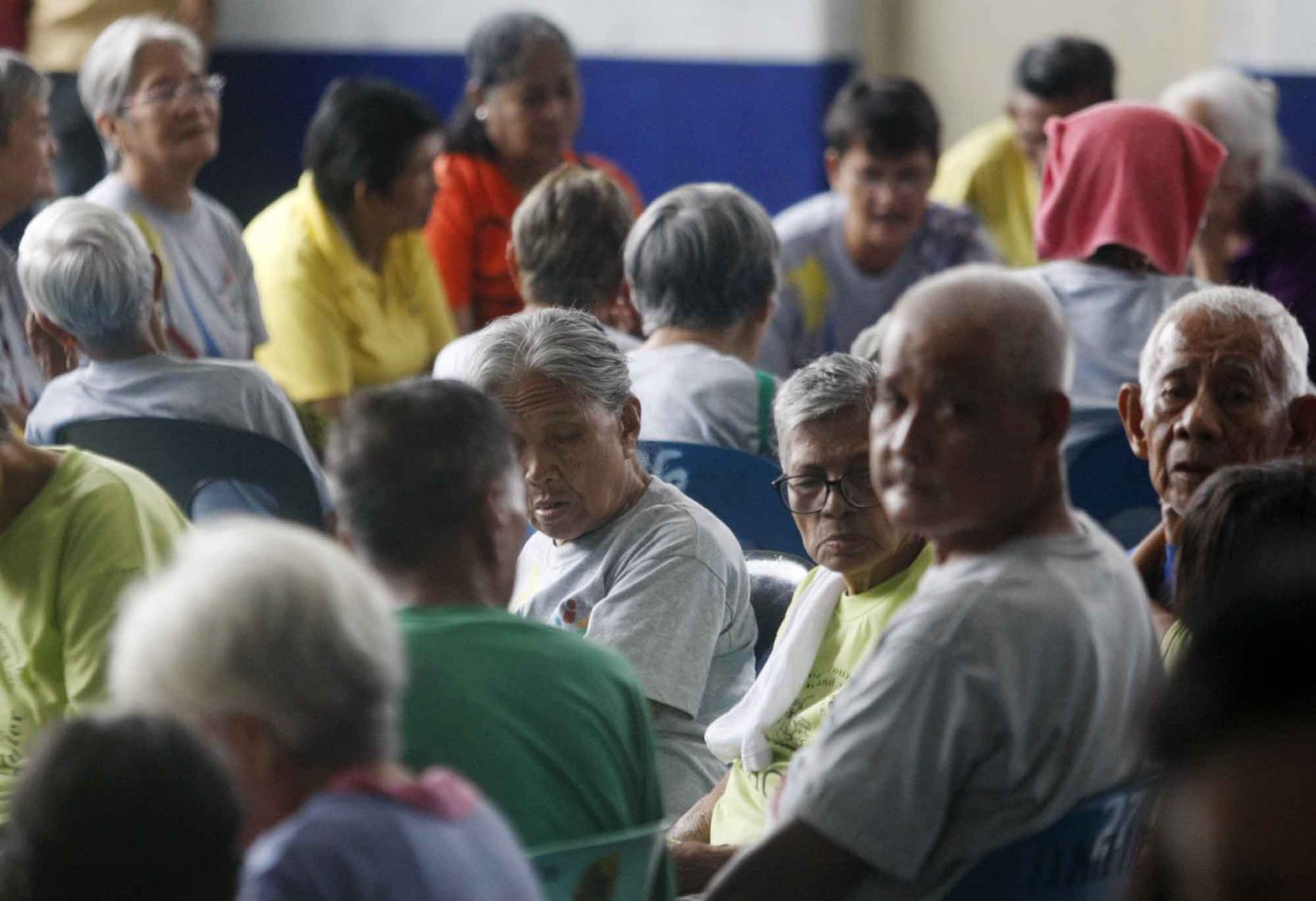
240,000 veterans will make do with P2 daily budget for maintenance medicines -- WMMC

(Manila Bulletin file photo)

This was the finding of a survey by Summa Strategy, a consulting firm based in Makati, and commissioned by RiteMed Phils., Inc. The firm conducted a survey of 3,200 Filipinos throughout the National Capital Region, the rest of Luzon, Visayas, and Mindanao.

Based on the study done on October 13 to November 9, 2023, 73% of the respondents prefer receiving services from government owned facilities, compared to 26% who opt for private healthcare providers. Barangay Health Centers (“BHCs”) and government-owned hospitals were the most commonly cited option for respondents who have availed of services from state-owned facilities, followed by Municipal Healthcare Centers (“MHCs”).

The respondents primarily cited the free services they received and the accessibility of these facilities to their homes. Therefore, the survey notes there are opportunities for possible partnerships between the national government and local government units (“LGUs”) to enhance these strengths of state-owned facilities.

Such partnerships would be ideal given health policy is already devolved to LGUs, the survey added.

Availability of free medicines and vaccines were the most commonly cited reasons for visiting BHCs, while check-ups and consultations for suspected diseases were the cited reasons for visiting MHCs. Respondents who visited government-owned hospitals also mentioned multiple reasons such as giving birth, treatment for common health conditions such as fever and colds, check up of blood pressure, and treatment of injuries.

The results of the survey pointed out that the Department of Health (“DOH”) is on track in the implementation of the Universal Healthcare (“UHC”) Act. The law, signed in 2019, mandates every single Filipino to have equitable access to the healthcare services he/she needs — such as primary healthcare.

To implement the UHC Act, the DOH, led by Sec. Ted Herbosa, bared the administration’s 8-point agenda focusing on:

Bawat Pilipino ramdam ang kalusugan; 
Ligtas, kalidad, at mapagkalingang serbisyo; 
Teknolohiya para sa mabilis na serbisyo; 
Handa sa krisis; 
Pag-iwas sa sakit; 
Ginhawa sa isip at damdamin; 
Kapakanan at karapatan ng mga health workers; and
Proteksyon sa anumang pandemya

Concrete and measurable steps are continuously taken to implement the agenda. The launches of various Bagong Urgent Care and Ambulatory Service (“BUCAS”) Centers throughout the Philippines is just one of the main projects of the agency.

A total of 22 BUCAS Centers can be found throughout Luzon, Visayas, and Mindanao, and there are plans for an additional 70 centers to be established in other places.

Opportunities for PhilHealth to expand membership access

In its survey, Summa Strategy noted that the Philippine Health Insurance Corporation (“PhilHealth”) could improve on its awareness among certain segments of the Filipino public.

Awareness of membership in PhilHealth is high among high-income segments. The study found that 85% of individuals in class ABC1 are aware that they are insured. The number then progressively gets lower — with 70% of individuals in class C2, 64% of individuals in class D, and 51% of individuals in class E saying they are insured by PhilHealth.

The need for collaboration among stakeholders

To expand access to PhilHealth and enhance the capabilities of state-owned healthcare facilities, the survey underscored the need for collaboration among stakeholders in the national government, LGUs, and the private sector to create and implement long-term solutions toward these goals.


ADVERTISEMENT
.most-popular .layout-ratio{ padding-bottom: 79.13%; } @media (min-width: 768px) and (max-width: 1024px) { .widget-title { font-size: 15px !important; } }

{{ articles_filter_1561_widget.title }}

.most-popular .layout-ratio{ padding-bottom: 79.13%; } @media (min-width: 768px) and (max-width: 1024px) { .widget-title { font-size: 15px !important; } }

{{ articles_filter_1562_widget.title }}

.most-popular .layout-ratio{ padding-bottom: 79.13%; } @media (min-width: 768px) and (max-width: 1024px) { .widget-title { font-size: 15px !important; } }

{{ articles_filter_1563_widget.title }}

{{ articles_filter_1564_widget.title }}

.mb-article-details { position: relative; } .mb-article-details .article-body-preview, .mb-article-details .article-body-summary{ font-size: 17px; line-height: 30px; font-family: "Libre Caslon Text", serif; color: #000; } .mb-article-details .article-body-preview iframe , .mb-article-details .article-body-summary iframe{ width: 100%; margin: auto; } .read-more-background { background: linear-gradient(180deg, color(display-p3 1.000 1.000 1.000 / 0) 13.75%, color(display-p3 1.000 1.000 1.000 / 0.8) 30.79%, color(display-p3 1.000 1.000 1.000) 72.5%); position: absolute; height: 200px; width: 100%; bottom: 0; display: flex; justify-content: center; align-items: center; padding: 0; } .read-more-background a{ color: #000; } .read-more-btn { padding: 17px 45px; font-family: Inter; font-weight: 700; font-size: 18px; line-height: 16px; text-align: center; vertical-align: middle; border: 1px solid black; background-color: white; } .hidden { display: none; }
function initializeAllSwipers() { // Get all hidden inputs with cms_article_id document.querySelectorAll('[id^="cms_article_id_"]').forEach(function (input) { const cmsArticleId = input.value; const articleSelector = '#article-' + cmsArticleId + ' .body_images'; const swiperElement = document.querySelector(articleSelector); if (swiperElement && !swiperElement.classList.contains('swiper-initialized')) { new Swiper(articleSelector, { loop: true, pagination: false, navigation: { nextEl: '#article-' + cmsArticleId + ' .swiper-button-next', prevEl: '#article-' + cmsArticleId + ' .swiper-button-prev', }, }); } }); } setTimeout(initializeAllSwipers, 3000); const intersectionObserver = new IntersectionObserver( (entries) => { entries.forEach((entry) => { if (entry.isIntersecting) { const newUrl = entry.target.getAttribute("data-url"); if (newUrl) { history.pushState(null, null, newUrl); let article = entry.target; // Extract metadata const author = article.querySelector('.author-section').textContent.replace('By', '').trim(); const section = article.querySelector('.section-info ').textContent.replace(' ', ' '); const title = article.querySelector('.article-title h1').textContent; // Parse URL for Chartbeat path format const parsedUrl = new URL(newUrl, window.location.origin); const cleanUrl = parsedUrl.host + parsedUrl.pathname; // Update Chartbeat configuration if (typeof window._sf_async_config !== 'undefined') { window._sf_async_config.path = cleanUrl; window._sf_async_config.sections = section; window._sf_async_config.authors = author; } // Track virtual page view with Chartbeat if (typeof pSUPERFLY !== 'undefined' && typeof pSUPERFLY.virtualPage === 'function') { try { pSUPERFLY.virtualPage({ path: cleanUrl, title: title, sections: section, authors: author }); } catch (error) { console.error('ping error', error); } } // Optional: Update document title if (title && title !== document.title) { document.title = title; } } } }); }, { threshold: 0.1 } ); function showArticleBody(button) { const article = button.closest("article"); const summary = article.querySelector(".article-body-summary"); const body = article.querySelector(".article-body-preview"); const readMoreSection = article.querySelector(".read-more-background"); // Hide summary and read-more section summary.style.display = "none"; readMoreSection.style.display = "none"; // Show the full article body body.classList.remove("hidden"); } document.addEventListener("DOMContentLoaded", () => { let loadCount = 0; // Track how many times articles are loaded const offset = [1, 2, 3, 4, 5, 6, 7, 8, 9, 10]; // Offset values const currentUrl = window.location.pathname.substring(1); let isLoading = false; // Prevent multiple calls if (!currentUrl) { console.log("Current URL is invalid."); return; } const sentinel = document.getElementById("load-more-sentinel"); if (!sentinel) { console.log("Sentinel element not found."); return; } function isSentinelVisible() { const rect = sentinel.getBoundingClientRect(); return ( rect.top < window.innerHeight && rect.bottom >= 0 ); } function onScroll() { if (isLoading) return; if (isSentinelVisible()) { if (loadCount >= offset.length) { console.log("Maximum load attempts reached."); window.removeEventListener("scroll", onScroll); return; } isLoading = true; const currentOffset = offset[loadCount]; window.loadMoreItems().then(() => { let article = document.querySelector('#widget_1690 > div:nth-last-of-type(2) article'); intersectionObserver.observe(article) loadCount++; }).catch(error => { console.error("Error loading more items:", error); }).finally(() => { isLoading = false; }); } } window.addEventListener("scroll", onScroll); });

Sign up by email to receive news.