






 Philippines
National
Ignoring malnutrition could cost the Philippines P2.3 trillion by 2030
Philippines
National
Ignoring malnutrition could cost the Philippines P2.3 trillion by 2030
Ignoring malnutrition could cost the Philippines P2.3 trillion by 2030
National Nutrition Council calls for more support to address malnutrition
By Sonny Daanoy


At A Glance
- Philippines could lose close to USD 48 billion or about P2.3 trillion in productivity by 2030 due to child stunting.
- NNC Executive Director Assistant Secretary Azucena Dayanghirang pointed out the importance of breastfeeding in children's nutrition.
The National Nutrition Council (NNC) has called for more support for the Philippine Plan of Action for Nutrition (PPAN) to address malnutrition in the Philippines.
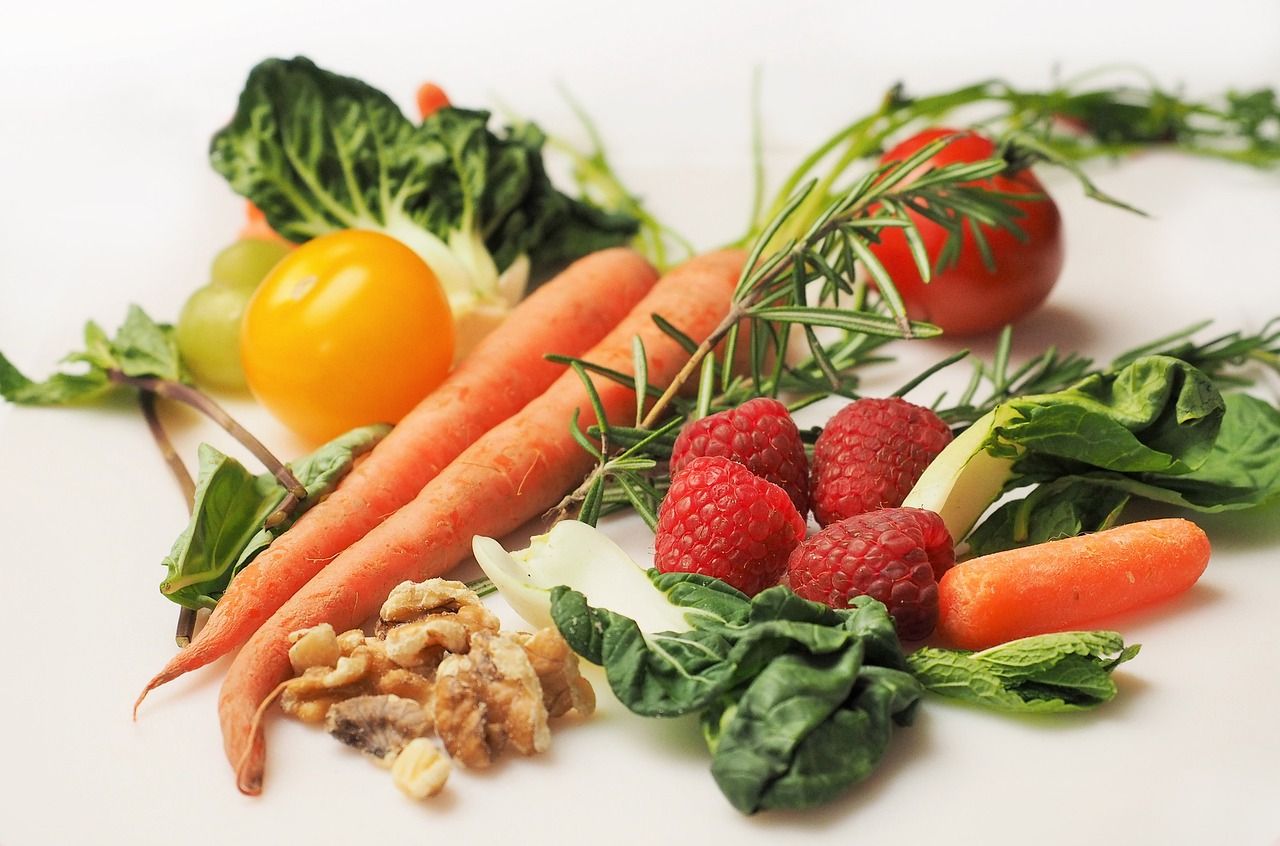
The plea was announced during the launch of the 50th National Nutrition Month, where the potentially severe impacts of unaddressed malnutrition in the Philippines were revealed.
According to estimates by Nutrition International, the Philippines could lose close to USD 48 billion or about P2.3 trillion in productivity by 2030 due to child stunting.
In 2021, approximately 26.7 percent of children under five were found to be stunted.
Due to this, PPAN aims to reduce child stunting to a maximum of 17.9 percent by 2028.
"This translates to a reduction in magnitude from about 4 million children in [2012/2013] to about 2 million children by 2028," NNC said in a statement.
The council then emphasized that the country could avoid about USD 1 billion in productivity losses by reducing the prevalence of low birth weight among infants by 30 percent, from 14.5 percent in 2017 to 10.2 percent in 2025, and further to 8.6 percent by 2028.
Without action, the continued rates of low birth weight could result in an annual loss of approximately 5.1 million Intelligence Quotient (IQ) points.
"This may partly explain why Filipino students perform poorly academically compared to their peers in other countries," NNC said.
"There is poor brain development of the baby when the pregnant mother is deprived of necessary nutrition during pregnancy, and the baby is deprived of optimal nutrition from breastfeeding and appropriate complementary feeding," it added.
READ:
https://mb.com.ph/2023/09/05/ppan-2023-2028-ncc-unveils-plan-to-combat-nutrition-challenges-in-ph
Breastfeeding prevents 5,000 child deaths
Meanwhile, NNC Executive Director Assistant Secretary Azucena Dayanghirang pointed out the importance of breastfeeding in children's nutrition.
“We can prevent as many as 5,000 child deaths and 1,400 maternal deaths annually when optimal breastfeeding is practiced,” Dayanghirang said.
"Breastfeeding should be exclusive in the first six months of life, and continue up to two years or more,” she added.
Annually, families spend approximately USD 360 million on breastmilk substitutes, funds that could otherwise enhance overall family nutrition if mothers successfully breastfeed.
The NNC also noted a concerning trend with 29.5 million Filipinos, across all age groups, affected by overweight or obesity, contributing to non-communicable diseases like heart disease, cancer, and diabetes.
"By prioritizing nutrition on our national agenda, we can ensure it receives the attention and resources necessary for comprehensive and sustainable improvements in nutritional outcomes," Dayanghirang said.
PPAN campaign
The PPAN 2023-2028 campaign is aligned with international commitments such as the United Nations (UN) Sustainable Development Goals and the World Health Assembly targets.
This initiative offers a comprehensive framework for improving the nutritional situation in the Philippines.
Despite being the 11th in a series of action plans since 1974, the PPAN remains relatively unknown to many Filipinos.
According to a 2022 recall survey by the NNC, only 40 percent of respondents had heard, seen, or read anything related to PPAN.
In celebration of nutrition month this year, it will be guided by the theme “Sa PPAN: Sama-Sama Para sa Nutrisyong Sapat Para sa Lahat!” (Through PPAN, let’s collaborate for adequate nutrition security for all!).
The campaign emphasizes PPAN’s comprehensive approach to tackling malnutrition and promoting nutritional security.
Its objectives include facilitating discussions about PPAN, garnering stakeholder support, mobilizing promotional activities to raise awareness of nutritional issues and interventions, and promoting positive nutrition behaviors among the public.
The campaign aims to reach diverse audiences, including legislators, national government agencies, local chief executives, non-governmental organizations, professional associations, educational institutions, workplaces, the food industry, and the general public.
Furthermore, the NNC promotes the adoption of PPAN strategies, which include promoting proper nutrition through diverse media channels, collaborating with various sectors to implement these strategies, advocating for policy and program reforms, and nurturing nutrition initiatives at both national and local levels.
The council also urges all stakeholders to support the campaign by engaging in Nutrition Month activities, distributing campaign materials, aligning investment and action plans with PPAN, and crafting policies and programs that enhance nutrition security.