ADVERTISEMENT

FEU releases guidelines for the use of AI

The guidelines require students to be transparent of the AI tools used in their outputs and assessments

Published Jun 28, 2024 05:35 am
igor-omilaev-eGGFZ5X2LnA-unsplash.jpg
(Unsplash)

According to the 2024 Work Trend Index conducted by Microsoft Philippines and LinkedIn, 86 percent of knowledge workers in the Philippines use AI tools. This signals a growing industry demand for graduates who are equipped with necessary AI skills and therefore calls on its integration in the higher education learning process.

With the growing importance of digital tools in the evolving education landscape, Far Eastern University (FEU) recognizes the need to adapt to innovative technologies such as artificial intelligence (AI) in the academic setting.

To fully utilize its benefits without compromising academic standards, the university updated its Academic Integrity policies with a set of guidelines on the responsible and ethical use of AI for its faculty and students. The guidelines aim to implement policies regarding transparency and limitations of use and place utmost importance on maintaining the institution’s principle of student-centered pedagogy and learning.

Under its new directives, the use of AI as an educational tool is encouraged in so far as it promotes “persuasive communication, intellectual curiosity, critical thinking, creative problem solving, professionalism, and responsible digital citizenship” among students.

While fully acknowledging the opportunities that AI presents to advance quality education, the school warns against the indiscriminate use of the technology and raises awareness of its limitations.
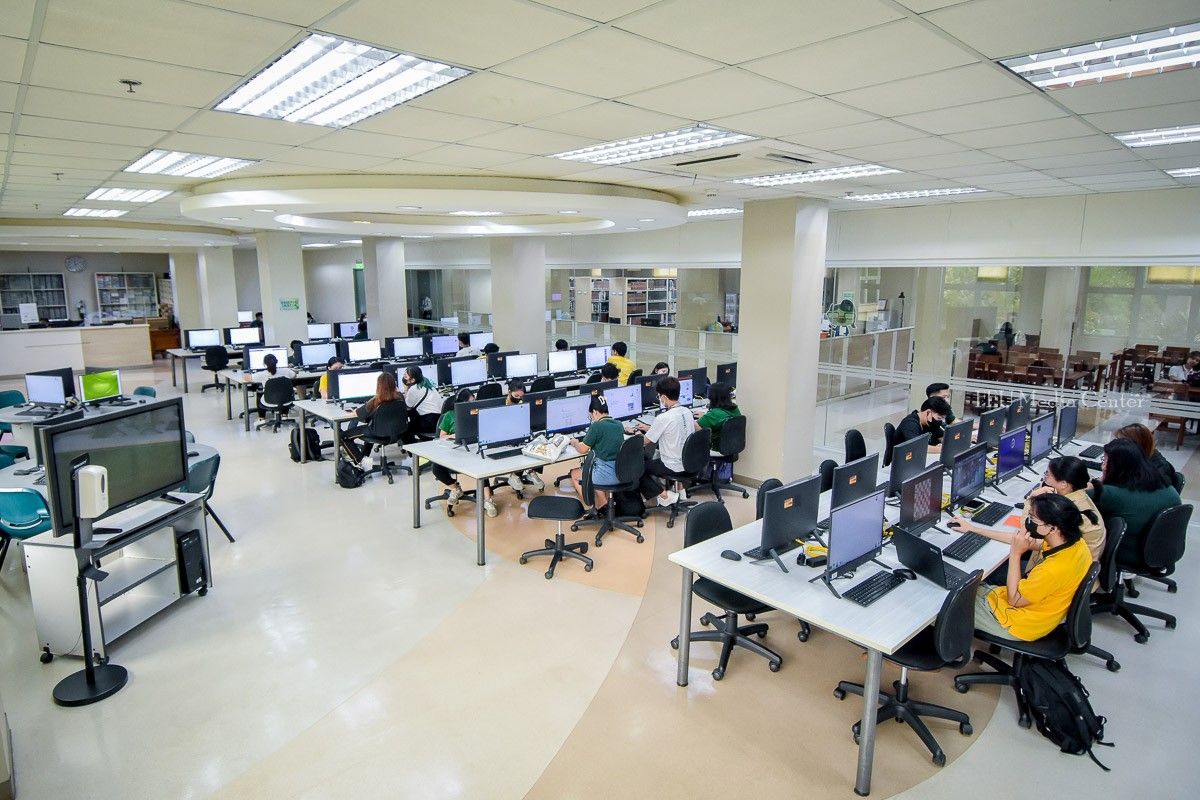
FEU E-Library.jpg

Among its limitations is its tendency for "hallucination," which involves creating false citations, making incorrect calculations, and providing incorrect data, all of which are potentially harmful to students who become overly reliant on the technology.

The guidelines require students to be transparent of the AI tools used in their outputs and assessments. Continued non-compliance may potentially lead to being flagged for academic dishonesty.

In addition, the FEU Center for Learning Enhancement and Research Services conducts academic integrity workshops for students who might need guidance and education when it comes to the responsible use of AI in university.

“AI has been here for a long time, and FEU welcomes its use as an educational tool. However, it should not serve as a replacement for actual students’ performance. That’s why we needed to come up with a policy highlighting academic integrity, and we also conduct workshops to guide students on the proper use of AI tools,” said Maria Teresa Trinidad P. Tinio, FEU senior vice president for Academic Affairs through a press statement.

Meanwhile, the school gives its faculty members training and workshops that increase their familiarity and competence with AI technologies. This equips them to incorporate AI capabilities in designing pedagogical activities and materials and empowers them to effectively guide students in using the tools as well.

This is not the first time that academic institution released their own guidelines for the responsible use of AI. Back in 2023, the University of the Philippines released its own guidelines making he first school in the country to have it and be among the firsts in Asia.

Related Tags

FEU Artificial Intelligence
ADVERTISEMENT
.most-popular .layout-ratio{ padding-bottom: 79.13%; } @media (min-width: 768px) and (max-width: 1024px) { .widget-title { font-size: 15px !important; } }

{{ articles_filter_1561_widget.title }}

.most-popular .layout-ratio{ padding-bottom: 79.13%; } @media (min-width: 768px) and (max-width: 1024px) { .widget-title { font-size: 15px !important; } }

{{ articles_filter_1562_widget.title }}

.most-popular .layout-ratio{ padding-bottom: 79.13%; } @media (min-width: 768px) and (max-width: 1024px) { .widget-title { font-size: 15px !important; } }

{{ articles_filter_1563_widget.title }}

{{ articles_filter_1564_widget.title }}

.mb-article-details { position: relative; } .mb-article-details .article-body-preview, .mb-article-details .article-body-summary{ font-size: 17px; line-height: 30px; font-family: "Libre Caslon Text", serif; color: #000; } .mb-article-details .article-body-preview iframe , .mb-article-details .article-body-summary iframe{ width: 100%; margin: auto; } .read-more-background { background: linear-gradient(180deg, color(display-p3 1.000 1.000 1.000 / 0) 13.75%, color(display-p3 1.000 1.000 1.000 / 0.8) 30.79%, color(display-p3 1.000 1.000 1.000) 72.5%); position: absolute; height: 200px; width: 100%; bottom: 0; display: flex; justify-content: center; align-items: center; padding: 0; } .read-more-background a{ color: #000; } .read-more-btn { padding: 17px 45px; font-family: Inter; font-weight: 700; font-size: 18px; line-height: 16px; text-align: center; vertical-align: middle; border: 1px solid black; background-color: white; } .hidden { display: none; }
function initializeAllSwipers() { // Get all hidden inputs with cms_article_id document.querySelectorAll('[id^="cms_article_id_"]').forEach(function (input) { const cmsArticleId = input.value; const articleSelector = '#article-' + cmsArticleId + ' .body_images'; const swiperElement = document.querySelector(articleSelector); if (swiperElement && !swiperElement.classList.contains('swiper-initialized')) { new Swiper(articleSelector, { loop: true, pagination: false, navigation: { nextEl: '#article-' + cmsArticleId + ' .swiper-button-next', prevEl: '#article-' + cmsArticleId + ' .swiper-button-prev', }, }); } }); } setTimeout(initializeAllSwipers, 3000); const intersectionObserver = new IntersectionObserver( (entries) => { entries.forEach((entry) => { if (entry.isIntersecting) { const newUrl = entry.target.getAttribute("data-url"); if (newUrl) { history.pushState(null, null, newUrl); let article = entry.target; // Extract metadata const author = article.querySelector('.author-section').textContent.replace('By', '').trim(); const section = article.querySelector('.section-info ').textContent.replace(' ', ' '); const title = article.querySelector('.article-title h1').textContent; // Parse URL for Chartbeat path format const parsedUrl = new URL(newUrl, window.location.origin); const cleanUrl = parsedUrl.host + parsedUrl.pathname; // Update Chartbeat configuration if (typeof window._sf_async_config !== 'undefined') { window._sf_async_config.path = cleanUrl; window._sf_async_config.sections = section; window._sf_async_config.authors = author; } // Track virtual page view with Chartbeat if (typeof pSUPERFLY !== 'undefined' && typeof pSUPERFLY.virtualPage === 'function') { try { pSUPERFLY.virtualPage({ path: cleanUrl, title: title, sections: section, authors: author }); } catch (error) { console.error('ping error', error); } } // Optional: Update document title if (title && title !== document.title) { document.title = title; } } } }); }, { threshold: 0.1 } ); function showArticleBody(button) { const article = button.closest("article"); const summary = article.querySelector(".article-body-summary"); const body = article.querySelector(".article-body-preview"); const readMoreSection = article.querySelector(".read-more-background"); // Hide summary and read-more section summary.style.display = "none"; readMoreSection.style.display = "none"; // Show the full article body body.classList.remove("hidden"); } document.addEventListener("DOMContentLoaded", () => { let loadCount = 0; // Track how many times articles are loaded const offset = [1, 2, 3, 4, 5, 6, 7, 8, 9, 10]; // Offset values const currentUrl = window.location.pathname.substring(1); let isLoading = false; // Prevent multiple calls if (!currentUrl) { console.log("Current URL is invalid."); return; } const sentinel = document.getElementById("load-more-sentinel"); if (!sentinel) { console.log("Sentinel element not found."); return; } function isSentinelVisible() { const rect = sentinel.getBoundingClientRect(); return ( rect.top < window.innerHeight && rect.bottom >= 0 ); } function onScroll() { if (isLoading) return; if (isSentinelVisible()) { if (loadCount >= offset.length) { console.log("Maximum load attempts reached."); window.removeEventListener("scroll", onScroll); return; } isLoading = true; const currentOffset = offset[loadCount]; window.loadMoreItems().then(() => { let article = document.querySelector('#widget_1690 > div:nth-last-of-type(2) article'); intersectionObserver.observe(article) loadCount++; }).catch(error => { console.error("Error loading more items:", error); }).finally(() => { isLoading = false; }); } } window.addEventListener("scroll", onScroll); });

Sign up by email to receive news.