ADVERTISEMENT

Waste to Wealth: Mayor Marcy shares how Marikina's waste turn into useful products

Published Jun 27, 2024 05:13 am

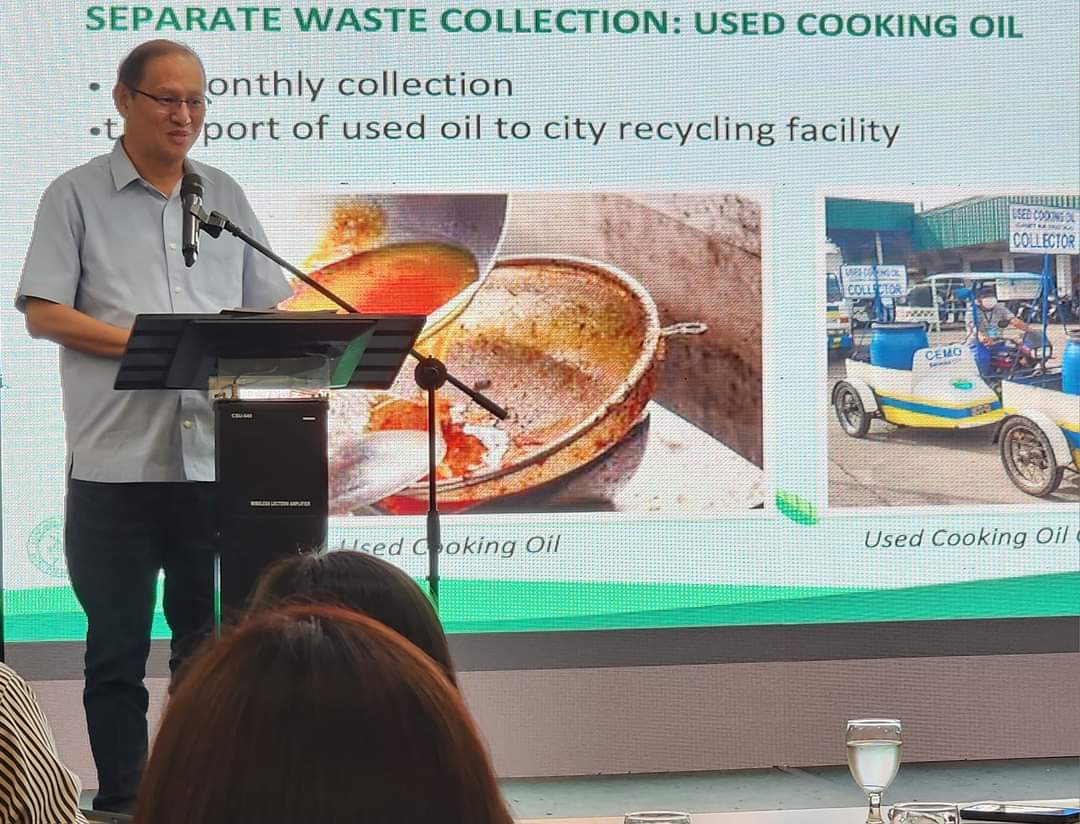
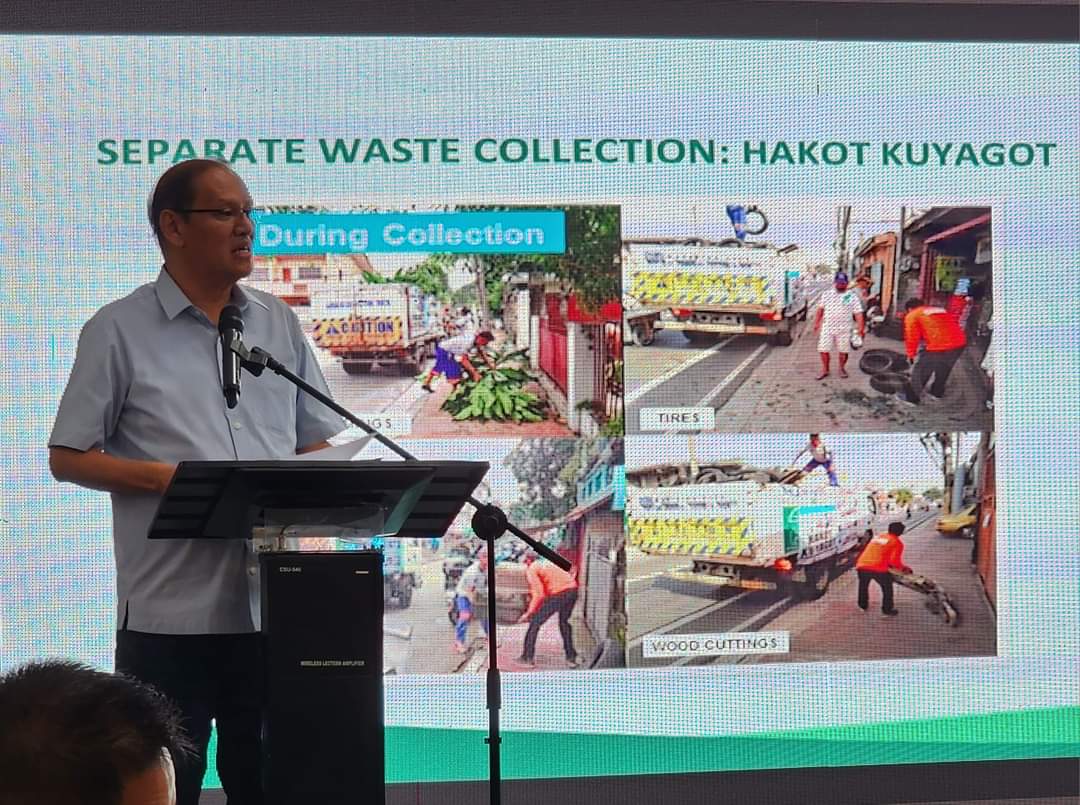
Marikina City Mayor Marcelino “Marcy” Teodoro shared on Wednesday, June 26, how the city efficiently transforms waste into useful products during his speech before the people who attended an event that tackled waste management.
FB_IMG_1719461751995.jpgFB_IMG_1719461747166.jpg

FB_IMG_1719461758462.jpg
Photos from Marikina PIO/MANILA BULLETIN

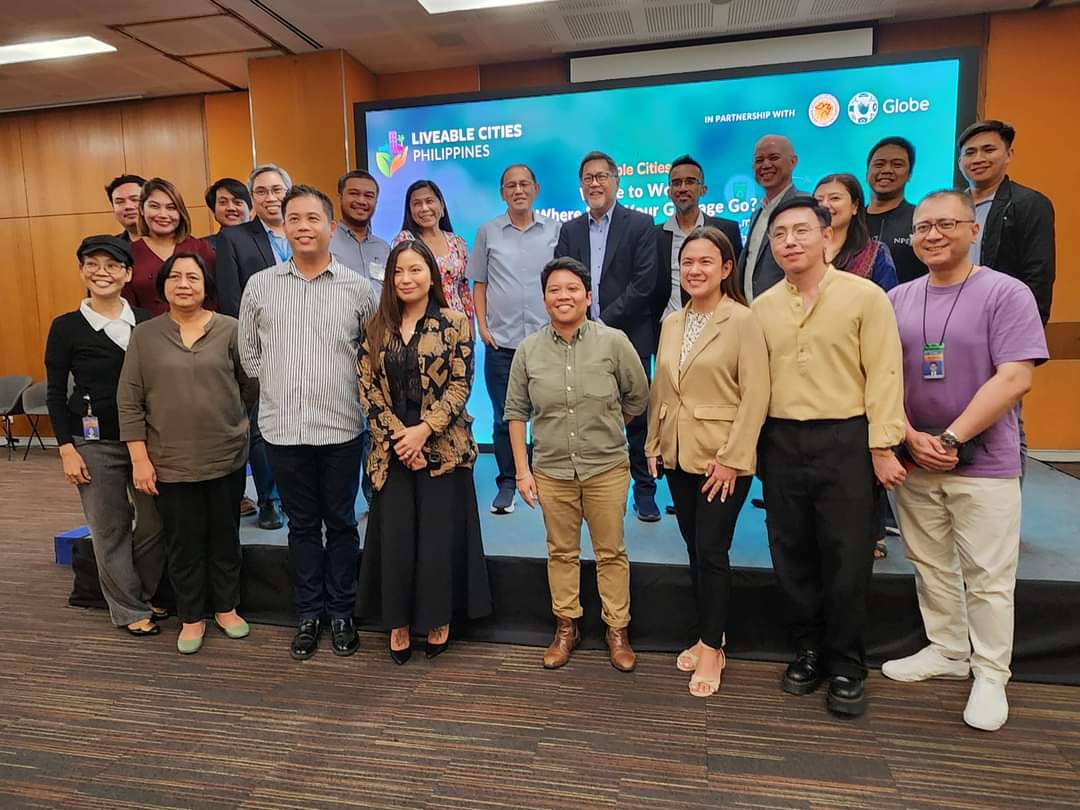
Teodoro served as special guest speaker at an event titled “Waste to Wealth: Where Does Your Garbage Go?,” which was organized by Liveable Cities Philippines.

Teodoro highlighted Marikina's development of comprehensive waste management systems that not only manage waste effectively but also promote sustainability and public health.

Teodoro shared Marikina's Ecological Solid Waste Management (ESWM), which involves implementing regular functions effectively and integrating innovative, sustainable solutions for public waste.

“The Marikina ESWM System encompasses waste reduction, resource conservation, and overall waste management. But to directly answer our primary question this afternoon on where our garbage goes, let me first focus on the responsibility and implementation of a local government unit, which we can encapsulate with: firstly, segregation; secondly, storage and recovery; and lastly, processing, treatment, and disposal,” Teodoro said. 

He elaborated on how segregation, storage and recovery, and processing, treatment, and disposal processes enhance the city and provide usable products.

Segregation

For segregation, Marikina implemented door-to-door segregated garbage collection and transportation systems, where waste remain within household premises until collection trucks arrive. 

Teodoro said they implement scheduled segregation not only by location or barangay but also by waste type to prevent contamination.

The city uses customized trucks for daily food waste collection from eateries, customized tricycles for monthly used cooking oil collection, and a weekly collection called “Hakot Kuyagot” for special waste like furniture, appliances, paint cans, rubber tires, yard waste, and bulky garbage.

Storage and Recovery

After collection, recyclables and recoverable residuals are taken to Marikina's Centralized Materials Recovery Facility (MRF) for sorting and processing. 

Teodoro noted that this facility separates 37 percent of the city's recyclables from residual waste bound for landfills.

He added that biodegradables and special waste are also stored at the MRF.

Processing, Treatment, and Disposal

This stage includes waste recycling, composting, and residual disposal. 

In recycling, recovered materials such as paper, plastic, glass, and metals are sent to external recycling plants or processed internally. 

Also, in using a styro-plastic densifier, they convert materials like used cooking oil, XPS or extruded polystyrene foam (commonly known as styro), and plastic bags into sturdy products such as paving bricks, plant pots, and sacks.

Through a plastic factory, waste like doy packs, sachets, wrappers, straws, and plastic bags were transformed into school chairs that were distributed to public schools.

In composting, organic waste from public markets and food waste collections undergoes processing. Yard waste, like tree trimmings, is shredded using a wood chipper for composting. 

Marikina operates two composting machines: a 1-ton Rotary Composter and a 1-ton Bioreactor Machine, producing organic fertilizer used in LGU greening programs, urban gardening, and sold to private individuals for P15 per kilogram.

For residual waste, a transfer station transports it to landfills, particularly the New San Mateo Sanitary Landfill.

Teodoro emphasized that the long-term goal of these ESWM strategies is to achieve a circular economy, which can be reached easier with the help of the Extended Producer Responsibility (EPR) Law.

“As a local government, a lone transition to a circular economy will prospectively take longer, requiring comprehensive policies and complex implementation… but through the EPR Law, we can do so much more with our concerted efforts. The EPR Law enforces the responsibility of producers throughout the life cycle of their products. This necessitates producers’ accountability and incentivizes their redesign of products and packages to produce less waste,” he said. 

He also emphasized the importance of the role of citizens in improving the community.

“Sa Marikina, may kultura ng malasakit at disiplina. We are disciplined, and we comply because we understand our role in the community and our responsibility towards one another. This is also the only way that we can achieve a circular economy as a country—when every sector and every person understands, collaborates, and involves stakeholders,” the mayor said. 


Related Tags

metro news
ADVERTISEMENT
.most-popular .layout-ratio{ padding-bottom: 79.13%; } @media (min-width: 768px) and (max-width: 1024px) { .widget-title { font-size: 15px !important; } }

{{ articles_filter_1561_widget.title }}

.most-popular .layout-ratio{ padding-bottom: 79.13%; } @media (min-width: 768px) and (max-width: 1024px) { .widget-title { font-size: 15px !important; } }

{{ articles_filter_1562_widget.title }}

.most-popular .layout-ratio{ padding-bottom: 79.13%; } @media (min-width: 768px) and (max-width: 1024px) { .widget-title { font-size: 15px !important; } }

{{ articles_filter_1563_widget.title }}

{{ articles_filter_1564_widget.title }}

.mb-article-details { position: relative; } .mb-article-details .article-body-preview, .mb-article-details .article-body-summary{ font-size: 17px; line-height: 30px; font-family: "Libre Caslon Text", serif; color: #000; } .mb-article-details .article-body-preview iframe , .mb-article-details .article-body-summary iframe{ width: 100%; margin: auto; } .read-more-background { background: linear-gradient(180deg, color(display-p3 1.000 1.000 1.000 / 0) 13.75%, color(display-p3 1.000 1.000 1.000 / 0.8) 30.79%, color(display-p3 1.000 1.000 1.000) 72.5%); position: absolute; height: 200px; width: 100%; bottom: 0; display: flex; justify-content: center; align-items: center; padding: 0; } .read-more-background a{ color: #000; } .read-more-btn { padding: 17px 45px; font-family: Inter; font-weight: 700; font-size: 18px; line-height: 16px; text-align: center; vertical-align: middle; border: 1px solid black; background-color: white; } .hidden { display: none; }
function initializeAllSwipers() { // Get all hidden inputs with cms_article_id document.querySelectorAll('[id^="cms_article_id_"]').forEach(function (input) { const cmsArticleId = input.value; const articleSelector = '#article-' + cmsArticleId + ' .body_images'; const swiperElement = document.querySelector(articleSelector); if (swiperElement && !swiperElement.classList.contains('swiper-initialized')) { new Swiper(articleSelector, { loop: true, pagination: false, navigation: { nextEl: '#article-' + cmsArticleId + ' .swiper-button-next', prevEl: '#article-' + cmsArticleId + ' .swiper-button-prev', }, }); } }); } setTimeout(initializeAllSwipers, 3000); const intersectionObserver = new IntersectionObserver( (entries) => { entries.forEach((entry) => { if (entry.isIntersecting) { const newUrl = entry.target.getAttribute("data-url"); if (newUrl) { history.pushState(null, null, newUrl); let article = entry.target; // Extract metadata const author = article.querySelector('.author-section').textContent.replace('By', '').trim(); const section = article.querySelector('.section-info ').textContent.replace(' ', ' '); const title = article.querySelector('.article-title h1').textContent; // Parse URL for Chartbeat path format const parsedUrl = new URL(newUrl, window.location.origin); const cleanUrl = parsedUrl.host + parsedUrl.pathname; // Update Chartbeat configuration if (typeof window._sf_async_config !== 'undefined') { window._sf_async_config.path = cleanUrl; window._sf_async_config.sections = section; window._sf_async_config.authors = author; } // Track virtual page view with Chartbeat if (typeof pSUPERFLY !== 'undefined' && typeof pSUPERFLY.virtualPage === 'function') { try { pSUPERFLY.virtualPage({ path: cleanUrl, title: title, sections: section, authors: author }); } catch (error) { console.error('ping error', error); } } // Optional: Update document title if (title && title !== document.title) { document.title = title; } } } }); }, { threshold: 0.1 } ); function showArticleBody(button) { const article = button.closest("article"); const summary = article.querySelector(".article-body-summary"); const body = article.querySelector(".article-body-preview"); const readMoreSection = article.querySelector(".read-more-background"); // Hide summary and read-more section summary.style.display = "none"; readMoreSection.style.display = "none"; // Show the full article body body.classList.remove("hidden"); } document.addEventListener("DOMContentLoaded", () => { let loadCount = 0; // Track how many times articles are loaded const offset = [1, 2, 3, 4, 5, 6, 7, 8, 9, 10]; // Offset values const currentUrl = window.location.pathname.substring(1); let isLoading = false; // Prevent multiple calls if (!currentUrl) { console.log("Current URL is invalid."); return; } const sentinel = document.getElementById("load-more-sentinel"); if (!sentinel) { console.log("Sentinel element not found."); return; } function isSentinelVisible() { const rect = sentinel.getBoundingClientRect(); return ( rect.top < window.innerHeight && rect.bottom >= 0 ); } function onScroll() { if (isLoading) return; if (isSentinelVisible()) { if (loadCount >= offset.length) { console.log("Maximum load attempts reached."); window.removeEventListener("scroll", onScroll); return; } isLoading = true; const currentOffset = offset[loadCount]; window.loadMoreItems().then(() => { let article = document.querySelector('#widget_1690 > div:nth-last-of-type(2) article'); intersectionObserver.observe(article) loadCount++; }).catch(error => { console.error("Error loading more items:", error); }).finally(() => { isLoading = false; }); } } window.addEventListener("scroll", onScroll); });

Sign up by email to receive news.