







DOH observes rise in leptospirosis cases amid rains, floods
By Sonny Daanoy


The Department of Health (DOH) has observed an increase in leptospirosis cases due to rains and floods, based on the data released on Thursday, June 27.
In its Morbidity Week 24 report, as of June 15, the DOH recorded 878 cases of leptospirosis.
While the health department noted a weekly increase in cases, the current count remains almost half of last year's total of 1,769 leptospirosis cases during the same period.
From May 5 to 18, six cases were recorded, increasing to 60 cases from May 19 to June 1, and 83 cases from June 2 to 15.
"Case counts may still increase with delayed reports," DOH said.
Except for Zamboanga Peninsula and Northern Mindanao, all regions have reported increases in leptospirosis cases compared to the previous month.
Meanwhile, 84 deaths have been recorded as of June 15.
What is leptospirosis?
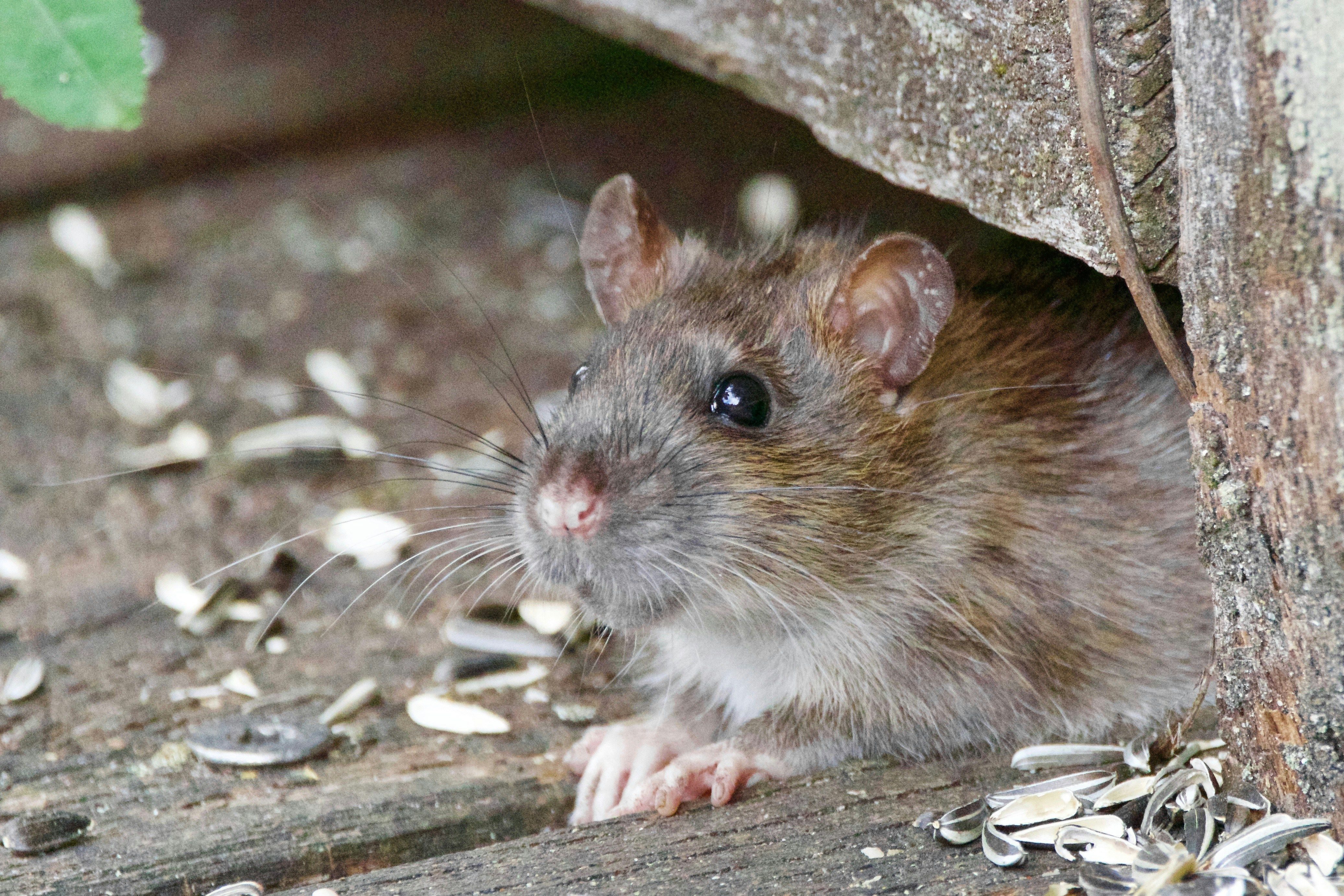
Leptospirosis, which is part of the WILD (water-borne illness, influenza-like illness, leptospirosis, and dengue) group, is a bacterial infection transmitted by animals, particularly rodents and other vermin.
"Leptospirosis is a zoonotic disease (affecting both animals and humans) caused by the Leptospira bacterium found in contaminated water or soil," DOH said.
"Leptospira bacteria can enter the body through breaks in the skin, or through the eyes, nose and mouth," it added.
When flood water mixes with the urine of infected animals, such as rats, it can pose a serious health risk to anyone who comes into contact with it.
Without treatment, leptospirosis can lead to severe complications like kidney damage, meningitis, liver failure, breathing problems, and even death without treatment.
Symptoms
Leptospirosis symptoms include fever, vomiting, nausea, muscle pain, and headache.
Some cases feature distinct calf muscle pain and reddish eyes.
Severe cases may present with jaundice (yellowish skin and eyes), dark-colored urine, light-colored stool, low urine output, and severe headache.
Many of these symptoms can be mistaken for other diseases, and some people may not show any symptoms at all.
"It generally takes two to 30 days to get sick after having contact with the bacteria that cause leptospirosis," DOH said.
"Therefore, people must consult doctors immediately after being exposed to (wading or playing in) flood waters as there is a preventive antibiotic prescription," it added.