ADVERTISEMENT

US Olympic and other teams will bring their own AC units to Paris, undercutting environmental plan

Published Jun 22, 2024 09:34 am
AP24173660751647.jpg
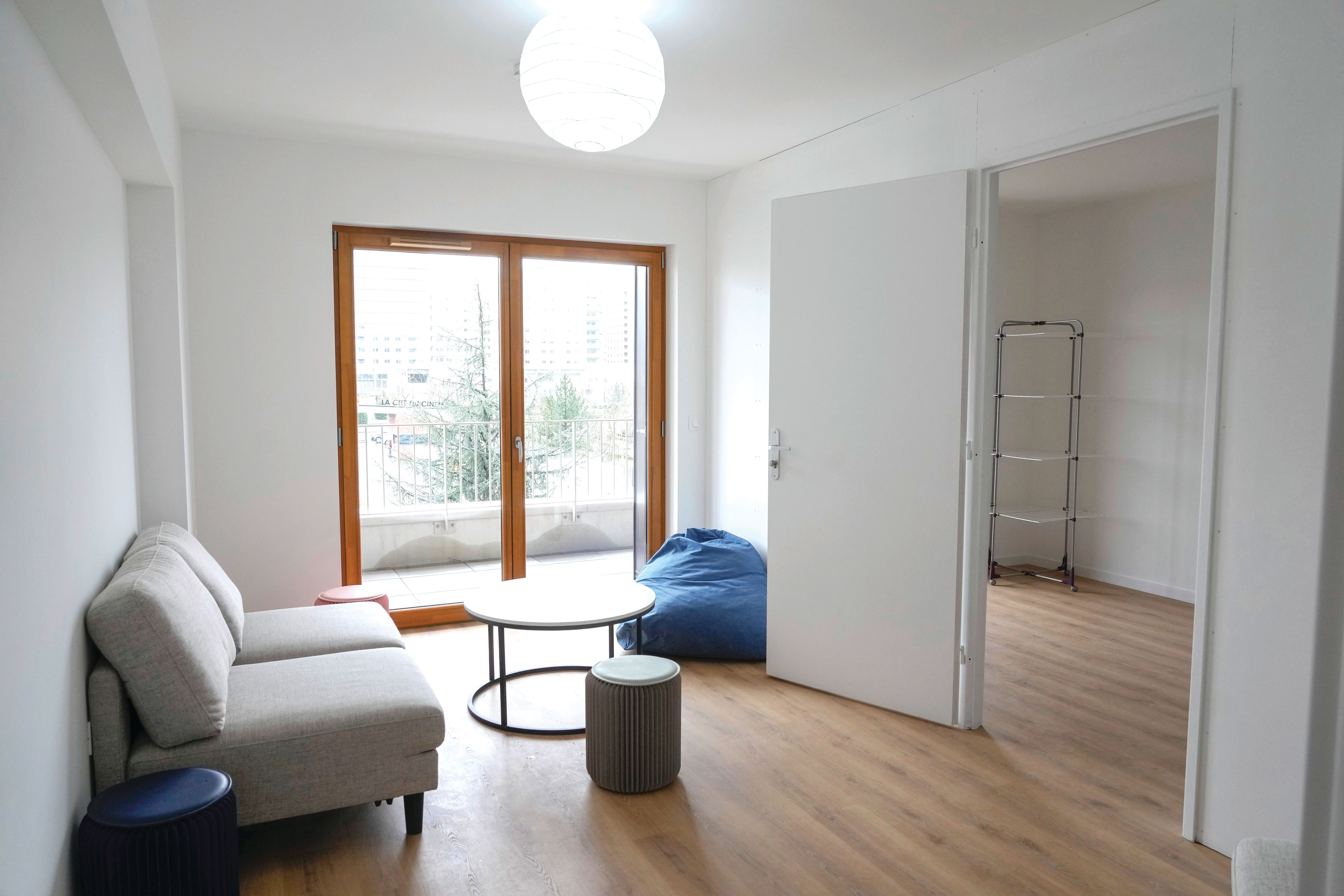
FILE PHOTO shows the living room of the Olympic village in Saint-Denis, north of Paris Wednesday, Feb. 28, 2024. The U.S. Olympic team is one of a handful that will supply air conditioners for their athletes at the Paris Games in a move that undercuts organizers' plans to cut carbon emissions. (AP)


EUGENE, Ore. (AP) — The U.S. Olympic team is one of a handful that will supply air conditioners for their athletes at the Paris Games in a move that undercuts organizers' plans to cut carbon emissions.


U.S. Olympic and Paralympic CEO Sarah Hirshland said Friday that while the U.S. team appreciates efforts aimed at sustainability, the federation would be supplying AC units for what is typically the largest contingent of athletes at the Summer Games.


“As you can imagine, this is a period of time in which consistency and predictability is critical for Team USA’s performance,” Hirshland said. “In our conversations with athletes, this was a very high priority and something that the athletes felt was a critical component in their performance capability.”
The Washington Post reported earlier this month that Germany, Australia, Italy, Canada and Britain were among the other countries with plans to bring air conditioners to France.


Olympic organizers have touted plans to cool rooms in the Athletes Village, which will house more than 15,000 Olympians and sports officials over the course of the games, using a system of cooling pipes underneath the floors.


The average high in Paris on Aug. 1 is 26 degrees Celsius (79 degrees Fahrenheit). The objective is to keep the rooms between 23-26 degrees (73-79 degrees Fahrenheit). The rooms will also be equipped with fans.


“I want the Paris Games to be exemplary from an environmental point of view,” Paris mayor Anne Hidalgo has said about the plans for the Olympics.
According to the International Energy Agency, fewer than one in 10 households in Europe has air conditioning, and the numbers in Paris are lower than that. The study said that of the 1.6 billion AC units in use across the globe in 2016, more than half were in China (570 million) and the United States (375 million). The entire European Union had around 100 million.


The Olympics mark the most important stop on the athletic careers of the 10,500-plus athletes who will descend on Paris, which has led some high-profile countries to undercut environmental efforts for the sake of comfort.


“It’s a high-performance environment,” Australian Olympic Committee spokesman Strath Gordon explained to The Post.
 

Related Tags

Specialstoryonline
ADVERTISEMENT
.most-popular .layout-ratio{ padding-bottom: 79.13%; } @media (min-width: 768px) and (max-width: 1024px) { .widget-title { font-size: 15px !important; } }

{{ articles_filter_1561_widget.title }}

.most-popular .layout-ratio{ padding-bottom: 79.13%; } @media (min-width: 768px) and (max-width: 1024px) { .widget-title { font-size: 15px !important; } }

{{ articles_filter_1562_widget.title }}

.most-popular .layout-ratio{ padding-bottom: 79.13%; } @media (min-width: 768px) and (max-width: 1024px) { .widget-title { font-size: 15px !important; } }

{{ articles_filter_1563_widget.title }}

{{ articles_filter_1564_widget.title }}

.mb-article-details { position: relative; } .mb-article-details .article-body-preview, .mb-article-details .article-body-summary{ font-size: 17px; line-height: 30px; font-family: "Libre Caslon Text", serif; color: #000; } .mb-article-details .article-body-preview iframe , .mb-article-details .article-body-summary iframe{ width: 100%; margin: auto; } .read-more-background { background: linear-gradient(180deg, color(display-p3 1.000 1.000 1.000 / 0) 13.75%, color(display-p3 1.000 1.000 1.000 / 0.8) 30.79%, color(display-p3 1.000 1.000 1.000) 72.5%); position: absolute; height: 200px; width: 100%; bottom: 0; display: flex; justify-content: center; align-items: center; padding: 0; } .read-more-background a{ color: #000; } .read-more-btn { padding: 17px 45px; font-family: Inter; font-weight: 700; font-size: 18px; line-height: 16px; text-align: center; vertical-align: middle; border: 1px solid black; background-color: white; } .hidden { display: none; }
function initializeAllSwipers() { // Get all hidden inputs with cms_article_id document.querySelectorAll('[id^="cms_article_id_"]').forEach(function (input) { const cmsArticleId = input.value; const articleSelector = '#article-' + cmsArticleId + ' .body_images'; const swiperElement = document.querySelector(articleSelector); if (swiperElement && !swiperElement.classList.contains('swiper-initialized')) { new Swiper(articleSelector, { loop: true, pagination: false, navigation: { nextEl: '#article-' + cmsArticleId + ' .swiper-button-next', prevEl: '#article-' + cmsArticleId + ' .swiper-button-prev', }, }); } }); } setTimeout(initializeAllSwipers, 3000); const intersectionObserver = new IntersectionObserver( (entries) => { entries.forEach((entry) => { if (entry.isIntersecting) { const newUrl = entry.target.getAttribute("data-url"); if (newUrl) { history.pushState(null, null, newUrl); let article = entry.target; // Extract metadata const author = article.querySelector('.author-section').textContent.replace('By', '').trim(); const section = article.querySelector('.section-info ').textContent.replace(' ', ' '); const title = article.querySelector('.article-title h1').textContent; // Parse URL for Chartbeat path format const parsedUrl = new URL(newUrl, window.location.origin); const cleanUrl = parsedUrl.host + parsedUrl.pathname; // Update Chartbeat configuration if (typeof window._sf_async_config !== 'undefined') { window._sf_async_config.path = cleanUrl; window._sf_async_config.sections = section; window._sf_async_config.authors = author; } // Track virtual page view with Chartbeat if (typeof pSUPERFLY !== 'undefined' && typeof pSUPERFLY.virtualPage === 'function') { try { pSUPERFLY.virtualPage({ path: cleanUrl, title: title, sections: section, authors: author }); } catch (error) { console.error('ping error', error); } } // Optional: Update document title if (title && title !== document.title) { document.title = title; } } } }); }, { threshold: 0.1 } ); function showArticleBody(button) { const article = button.closest("article"); const summary = article.querySelector(".article-body-summary"); const body = article.querySelector(".article-body-preview"); const readMoreSection = article.querySelector(".read-more-background"); // Hide summary and read-more section summary.style.display = "none"; readMoreSection.style.display = "none"; // Show the full article body body.classList.remove("hidden"); } document.addEventListener("DOMContentLoaded", () => { let loadCount = 0; // Track how many times articles are loaded const offset = [1, 2, 3, 4, 5, 6, 7, 8, 9, 10]; // Offset values const currentUrl = window.location.pathname.substring(1); let isLoading = false; // Prevent multiple calls if (!currentUrl) { console.log("Current URL is invalid."); return; } const sentinel = document.getElementById("load-more-sentinel"); if (!sentinel) { console.log("Sentinel element not found."); return; } function isSentinelVisible() { const rect = sentinel.getBoundingClientRect(); return ( rect.top < window.innerHeight && rect.bottom >= 0 ); } function onScroll() { if (isLoading) return; if (isSentinelVisible()) { if (loadCount >= offset.length) { console.log("Maximum load attempts reached."); window.removeEventListener("scroll", onScroll); return; } isLoading = true; const currentOffset = offset[loadCount]; window.loadMoreItems().then(() => { let article = document.querySelector('#widget_1690 > div:nth-last-of-type(2) article'); intersectionObserver.observe(article) loadCount++; }).catch(error => { console.error("Error loading more items:", error); }).finally(() => { isLoading = false; }); } } window.addEventListener("scroll", onScroll); });

Sign up by email to receive news.