






 Philippines
National
Villafuerte eyes revival of garment, textile industry as investors flee China
Philippines
National
Villafuerte eyes revival of garment, textile industry as investors flee China
Villafuerte eyes revival of garment, textile industry as investors flee China


At A Glance
- Camarines Sur 2nd district Rep. LRay Villafuerte is pushing for the reinvigoration of the country's garment and textile industry to entice foreign investors who are now leaving China to relocate their businesses.
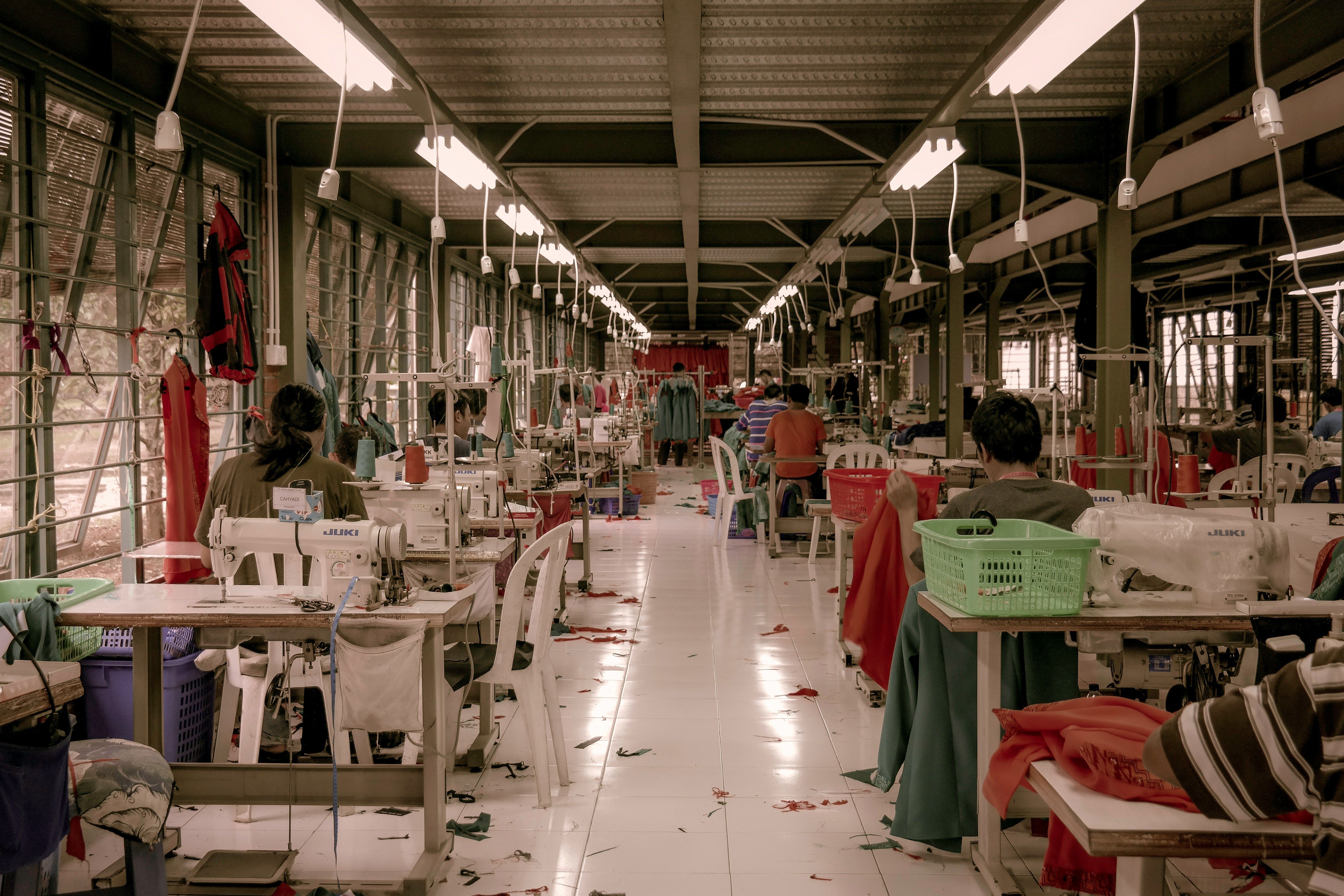 (Unsplash)
Camarines Sur 2nd district Rep. LRay Villafuerte is pushing for the reinvigoration of the country’s garment and textile industry to entice foreign investors who are now leaving China to relocate their businesses.
“The government must take decisive steps to help this once sunshine $3-billion industry regain its footing, and revive the Philippines’ premier position in the lucrative global market, especially at this time when investors and enterprises are leaving No. 1 world garments producer and exporter China,” Villafuerte said in a statement.
The lawmaker appealed to the DTI (Department of Trade and Industry) and the BOI (Board of Investments) to revisit the garment and textile industry roadmap under the Philippine Export Development Plan (PEDP) of the Marcos administration.
He said this roadmap will “sharpen anew our erstwhile global competitiveness in this business and entice foreign investors now leaving China to consider the Philippines as an ideal place in the region to relocate to and set up shop in".
Villafuerte, an entrepreneur in the export business before entering politics, noted that the Marcos administration should also consider the proposal of local industry players for the government to facilitate the construction of new textile factories.
New facilities for the industry are in preparation for an anticipated increase in demand as soon as the Philippines forges a free trade agreement (FTA) with the European Union (EU) on apparel and other similar goods, he said.
He pointed out that Robert Young, president of the Foreign Buyers Association of the Philippines (FOBAP), was quoted as saying that the industry needs to “quickly start something so that these foreign investors will follow suit”.
According to Young, garment exports are currently subjected to a tariff of 12 percent or higher because the Philippines is currently not a beneficiary of the EU’s Generalized Scheme of Preferences (GSP) system.
However, he claims that the EU prefers fabric that is sourced from the Philippines. “So, this is one way of saying the Philippines has to produce its own fabric,” said Young.
Meanwhile, Villafuerte emphasized that carrying out intervention programs to level up the production of exportable products would enable the government to present the country as a “better option” for the relocation of China-based operations instead of places like Vietnam, India, or Bangladesh.
The Bicol solon noted that many of those outsourcing their businesses to China are now looking to relocate or have started moving their operations elsewhere, owing to factors such as rising labor costs, the trade war between China and the United States (US), and supply chain disruptions that saddled China during the Covid-19 pandemic.