






 Philippines
National
Marcos able to articulate Philippines' challenges in WPS in Singapore speech—analysts
Philippines
National
Marcos able to articulate Philippines' challenges in WPS in Singapore speech—analysts
Marcos able to articulate Philippines' challenges in WPS in Singapore speech—analysts


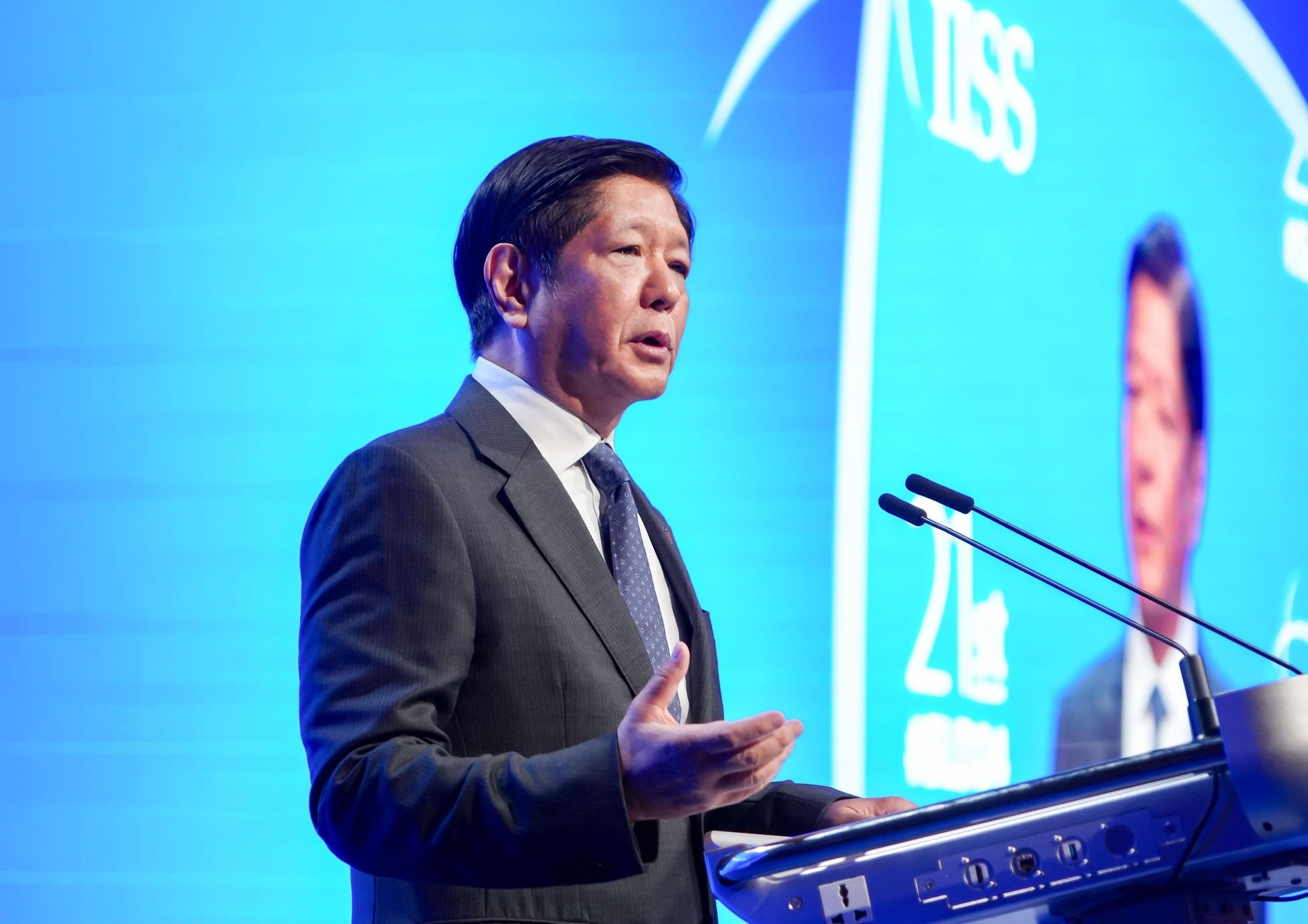
Geopolitical analysts believed President Marcos was able to raise awareness on the issues confronting the South China Sea, and the maritime challenges faced by the Philippines during his historic address at the 21st International Institute for Strategic Studies (IISS) Shangri-La Dialogue in Singapore.
Professor Renato de Castro, a political analyst from the De La Salle University, said Marcos also hit the nail when he talked about US-China rivalry and its effects on the region.
“Ang dating ng ating Presidente, yes, this is something of course that we have to be wary with. Pero at the same time, this is also an opportunity for us na hindi natin ‘to ma-ignore. We have to face it fair and square,” de Castro said in a forum in Quezon City on Saturday, June 1.
“We cannot be like, for example, some ASEAN countries na they don’t want to be involved in this strategic competition in a way the president is saying. You know, it’s happening within our midst. This is something that we have to face’,” he added.
De Castro said the President has articulated well before the global defense forum the security challenges of the Philippines and how it plans to deal with them through international rules-based order.
READ MORE: Marcos defends move to involve international community in WPS talks: It is a world issue
Professor Don McLain Gill, also of the DLSU, also said that Marcos made clear before an international audience the Philippine’s vision on the region by mentioning the “three constants” that would guide its nations in facing the challenges ahead.
“Exactly what Professor de Castro has mentioned, napakaimportante po ang inisyung statement ng ating Pangulo. Na set po ang parameters ng ating bansa sa Indo-Pacific, sa buong international system na hindi na po ito up for debate (the statement issued by the President was very important. It set the parameters of our country in the Indo-Pacific, in the entire international system, that this is not up for debate),” McLain Gill said, referring to the disputes in the West Philippine Sea.
“Our international waters, our exclusive economic zone, our territorial sea are all founded and based and rooted in international law,” he added.
In his speech, the President said the Indo-Pacific’s abiding compass are as follows: first, the sovereign equality of states must remain sacrosanct. Second, ASEAN and ASEAN-led processes must remain central. And third, the rule of law and the integrity of multilateralism must prevail.