






 Philippines
National
APAC-IRIDS 2024: Experts tackle infectious disease diagnostic challenges
Philippines
National
APAC-IRIDS 2024: Experts tackle infectious disease diagnostic challenges
APAC-IRIDS 2024: Experts tackle infectious disease diagnostic challenges


HO CHI MINH CITY, Vietnam — Leading experts, clinicians, and media professionals gathered on Wednesday, June 19, to explore the latest advancements in infectious disease diagnostics, with a special emphasis on hepatitis.
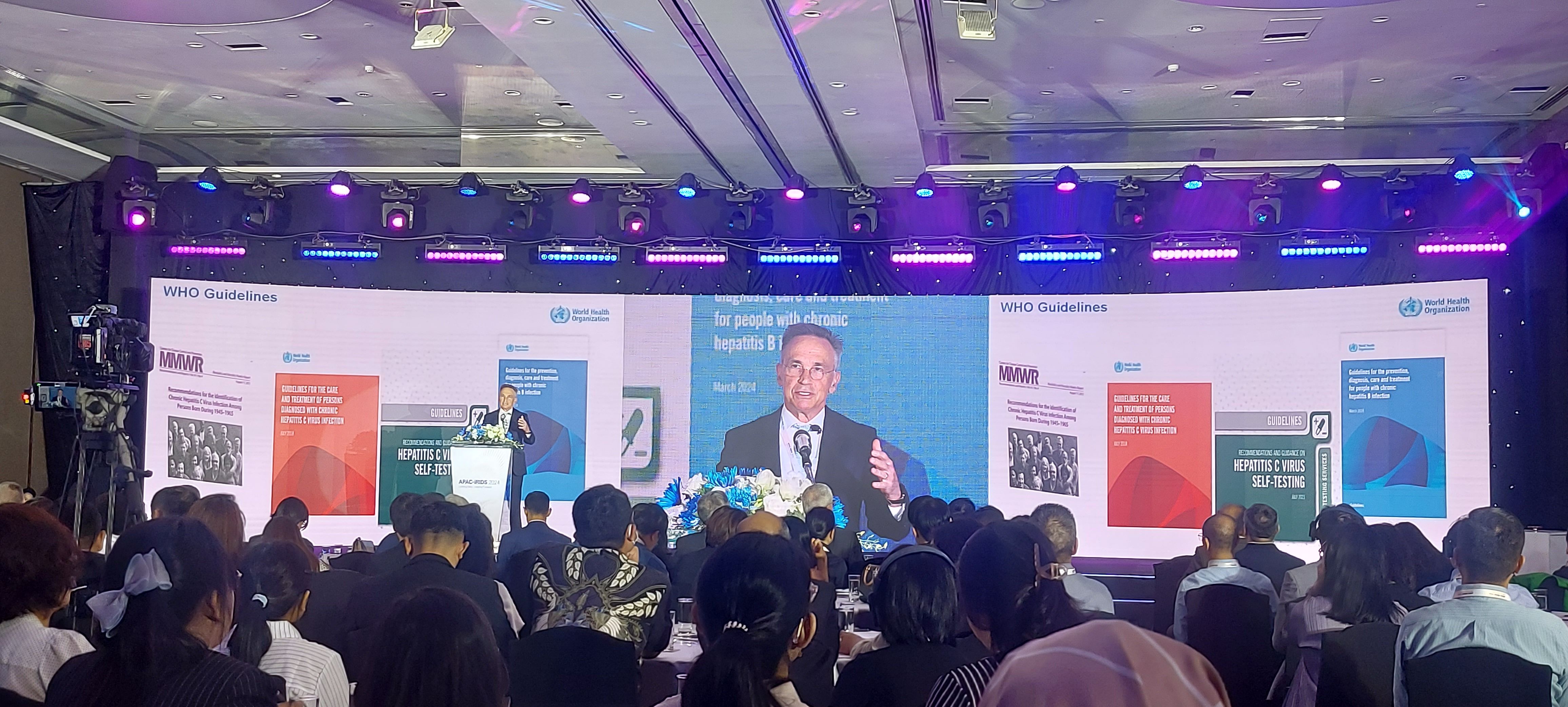
Under the theme “Looking Back, Leaping Forward,” the APAC-IRIDS 2024 - International Roche Infectious Disease Symposium 2024 took place at the Sheraton Saigon Grand Hotel.
The event aimed to foster collaborations and deepen understanding and reporting of health-related topics, particularly in Asia-Pacific.
A key focus of the media event was to uncover the true barriers to hepatitis testing and advanced liver care in the region, with a special emphasis on strategies for hepatitis C elimination.
The World Health Organization (WHO) aims to achieve global hepatitis elimination by 2030, defined as diagnosing 90 percent of infected individuals and initiating treatment for 80 percent of eligible individuals.
Designed to provide insights and networking opportunities, the three-day Diagnostics Media and Policy Forum included a Journalist Masterclass presented by the World Association of News Publishers (WAN-IFRA).
The program also featured a panel discussion hosted by the APAC Liver Disease Alliance, covering topics such as barriers to testing, fostering partnerships in hepatitis management, and gaining valuable insights from individuals living with hepatitis.
Dr. Nguyen Van Vinh Chau, Chairman of the Ho Chi Minh City Infectious Diseases Society, welcomed participants and underscored the event's importance in addressing issues related to the infectious disease community.
In his opening remarks, Dr. Qadeer Raza, General Manager of Roche Dia Vietnam, highlighted the event's aim to empower the infectious disease community. “Each of us has the responsibility to help improve our health communities,” he said.
Dr. John Ward, Director of the Coalition for Global Hepatitis Elimination, delivered the keynote address, “Looking Back, Leaping Forward: Overcoming the Challenges in Infectious Disease Diagnostics.”
He emphasized the importance of testing in addressing infectious diseases and noted how Covid-19 diagnostic systems can be applied to other virologic testing.
Ward also highlighted the importance of quality, equitable access, person-centered delivery, coordination of technology and policy development, and building national and global commitment to testing and diagnostic services.
“With access to infectious disease diagnostics, goals for disease elimination can be achieved,” Ward said.
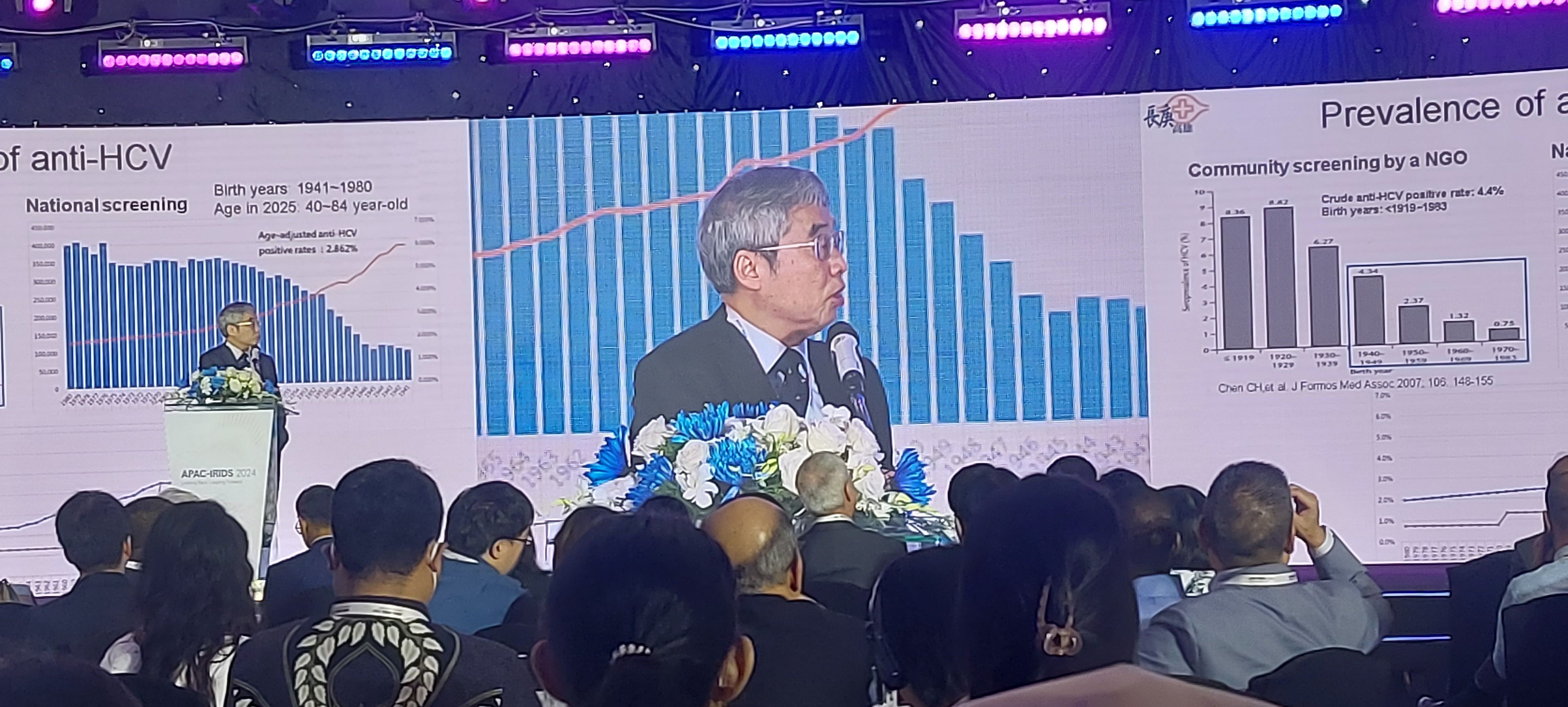
Lu Sheng Nan, a clinical professor from the Division of Hepatogastroenterology at Kaohsiung Chang Gung Memorial Hospital, discussed the national elimination of HCV in Taiwan, noting the success of screening patients in health facilities supported by the government.
Health Reporting Bootcamp
The three-day activity in Vietnam marked the third and final session of the Health Reporting Bootcamp Masterclass.
The first two sessions were conducted online in November 2023 and January 2024.
FATHM CEO Fergus Bell and WAN-IFRA Training & Special Projects Deputy Director Jen Teo led the media workshop.
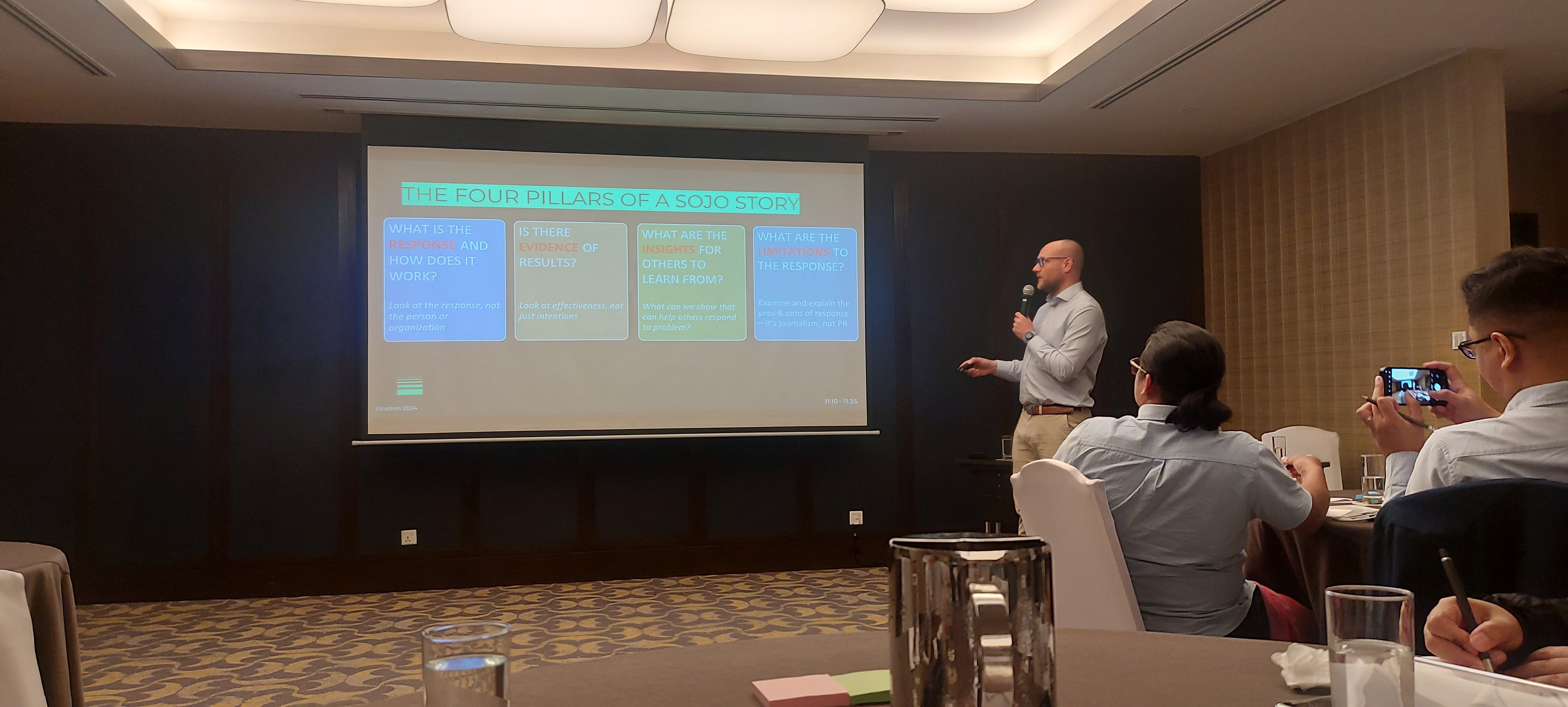
The boot camp tackled health reporting challenges, best practices, and threats.
Participants from China, Hong Kong, India, Indonesia, Malaysia, Philippines, Singapore, Taiwan, Thailand, and Vietnam reflected on the challenges in health reporting, analyzed underlying issues, and brainstormed solutions.
The participants were expected to enhance their understanding of health reporting challenges and collaborate on addressing them, ultimately improving their reporting skills and contributing to better health communication.
They were also briefed on preparing for health conferences, including tips on analyzing complex programs, prioritizing sessions, pre-formulating questions, and maximizing networking opportunities.
Through the Building Health Reporting Toolkit activity, participants synthesized their learnings into a practical resource, reinforcing the importance of reliable information, critical analysis, and solutions-oriented reporting techniques. This process equipped them with the necessary skills and mindset for effective health journalism.
At the end of the first day, the participants were scheduled to meet with Dr. Roberta Sarno, Founder of the APAC Liver Alliance; Dr. Vu Ngoc Bao, Senior Technical Director of HIV/TB/Hepatitis at PATH in Vietnam; and Yuhui Chan, Manager at the Clinton Health Access Initiative in Singapore.