






 Philippines
National
Absolute divorce law to help Philippines achieve gender parity, says Lagman
Philippines
National
Absolute divorce law to help Philippines achieve gender parity, says Lagman
Absolute divorce law to help Philippines achieve gender parity, says Lagman


At A Glance
- Once enacted into law, House Bill (HB) No. 9349 or the Absolute Divorce bill will enable the Philippines to achieve gender parity and bridge the gender gap, says Albay 1st district Rep. Edcel Lagman.
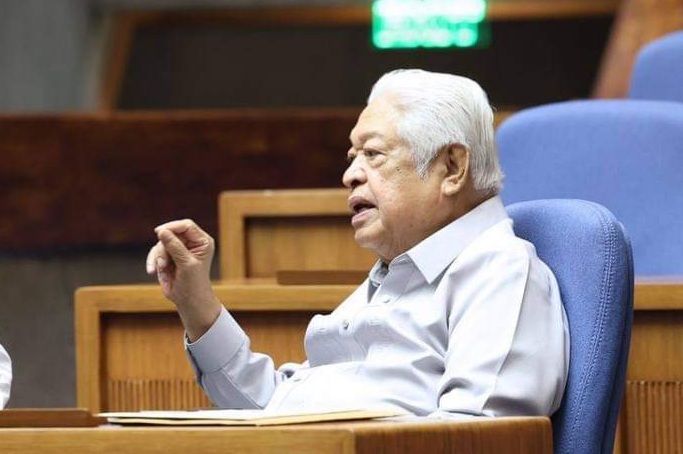 Albay 1st district Rep. Edcel Lagman (Facebook)
Once enacted into law, House Bill (HB) No. 9349 or the Absolute Divorce bill will enable the Philippines to achieve gender parity and bridge the gender gap, says Albay 1st district Rep. Edcel Lagman.
As the foremost crusader for divorce in the 19th Congress, Lagman said this pro-woman measure would give abused and tormented wives the opportunity to “regain their freedom, self-respect, agency and happiness”.
This, alongside their “right to alimony, primary custody of their children and the latter’s support from the offending party, and remarry,” he said in a statement Friday, June 14.
“However, getting married again is the least of the aggrieved wives' prayers as they principally want to be liberated from a long entombed marriage,” Lagman noted.
HB No. 9349, titled “An Act Reinstituting Absolute Divorce as an Alternative Mode for the Dissolution of Marriage” was approved on third and final reading in the House of Representatives on May 22 with a vote of 131-109-20 (yes-no-abstain).
As of June 10, the contentious measure was finally transmitted to the Senate.
Tthe House-approved bill seeks to offer a fourth mode of dissolving dysfunctional marriages through a number of grounds, such as domestic violence, marital infidelity, and abandonment.
At present, the three modes allowed under the Family Code are annulment, legal separation, and declaration of nullity of marriage.
Pro-divorce advocates contend that by pursuing absolute divorce, the country to evolve into a society where men and women are granted equal opportunities, such as what is presented in the Global Gender Gap Report.
Published by the World Economic Forum (WEF), the report benchmarks the current state of gender parity across the globe using four key dimensions: economic participation and opportunity, educational attainment, health and survival, and political empowerment.
When it first launched in 2006, the Philippines ranked sixth. In the latest report, the country slipped to 25th out of 146 nations.
“The enactment of the absolute divorce law will enable the Philippines to improve its ranking in the Global Gender Gap Report,” said Lagman.