ADVERTISEMENT

World Blood Donor Day: Saving life, celebrating humanity

Published Jun 13, 2024 04:09 pm

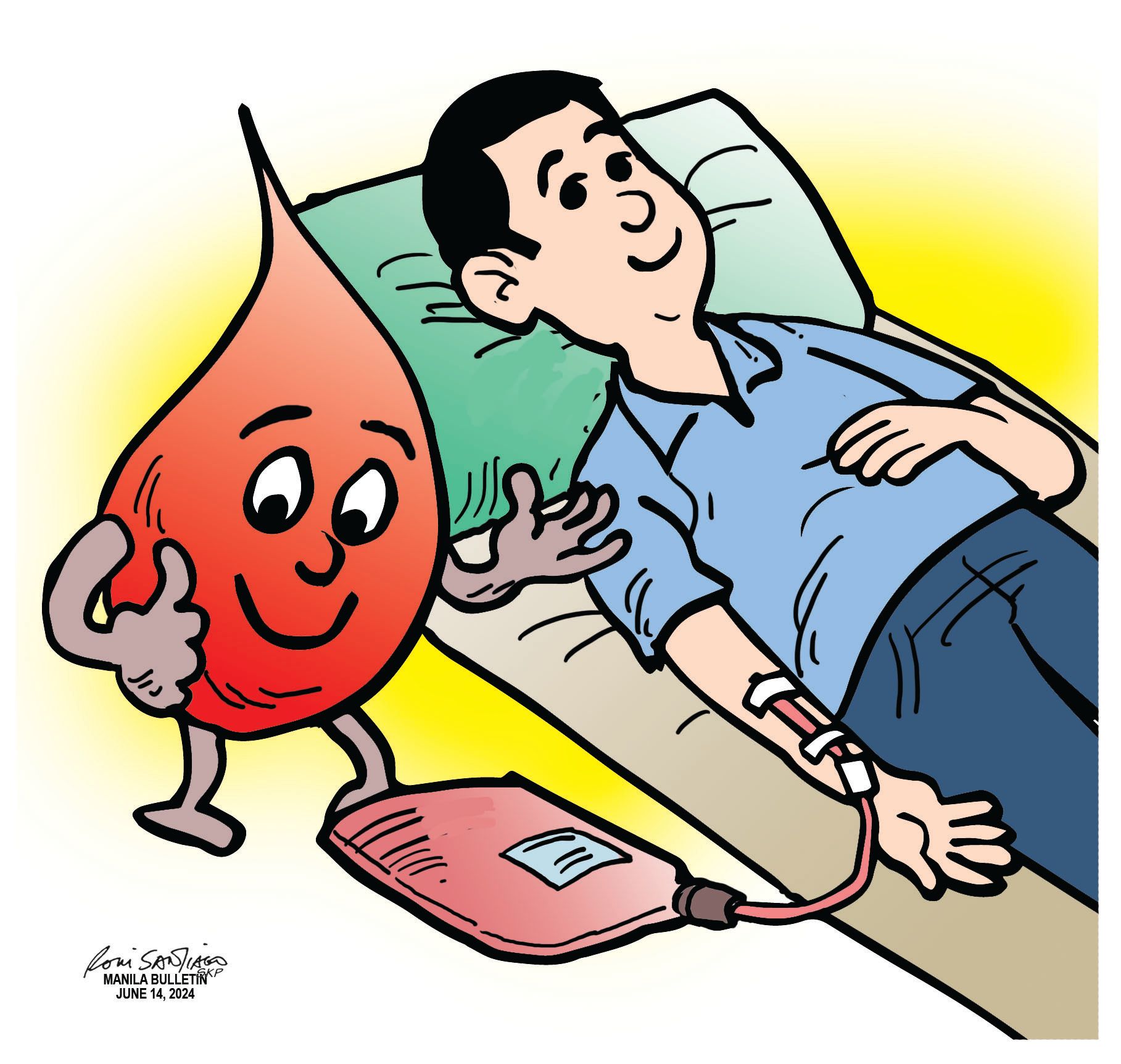
E CARTOON JUN 14, 2024.jpg

Every year on June 14, the world observes World Blood Donor Day (WBDD) to promote the importance of blood donation. This day serves as a powerful reminder of the crucial role blood plays in saving lives and the immense value of blood donors.

The World Blood Donor Day was established by the World Health Organization (WHO) in 2004 to raise awareness about safe blood donation.

This year, as it marks its 20th year, World Blood Donor Day will be observed with the theme, “20 years of celebrating giving: Thank you blood donors!” This celebration is an opportunity to express gratitude to those who selflessly contribute to this life-saving cause.

Blood donation has ancient roots, dating back to the 17th century. English physician Richard Lower reported the first successful blood transfusion among animals in 1665. To keep a dog alive, he transfused blood from other animals.

In 1667, Lower and French physician Jean Baptiste Denis reported successful blood transfusion from animal to human. In 1901, Karl Landsteiner, an American-Austrian immunologist, identified the A, B, and O blood groups. His work revolutionized blood transfusion safety and earned him the Nobel Prize in 1930.

While blood is an essential lifeline, there is a dearth of donors that makes transfusion a challenge in times of emergency.

Many countries still rely on paid donors or family members for blood. Therefore, encouraging voluntary, unpaid blood donation is crucial.

Blood donors play a vital role in helping those in need. Their contributions impact patients’ lives, making blood donation a lifeline for countless individuals.

This is why celebrating World Blood Donor Day is imperative as it aims to create public awareness and builds a culture of voluntary blood donation.

Thanking blood donors and motivating them to donate regularly help ensure a steady supply of safe blood for emergencies, surgeries, and medical treatments.

Donating blood isn’t just impactful for recipients; it benefits donors, too. Regular blood donation helps maintain donors’ health, including reducing chances of heart diseases and the role it plays in burning calories.

Now, start donating blood to save lives.

According to WHO, one is qualified to donate blood if he or she is 18 to 65 years old and in good health condition, weighs at least 50 kg, passes initial blood sampling screening, and is well rested and hydrated.

Those who do not qualify are persons who had been tested positive for HIV, hepatitis, and other infectious diseases; have a cold or flu or any other kind of infection; have low or high blood pressure; illegal drug user or are under the influence of drugs/alcohol; one who recently underwent a minor dental procedure; had a tattoo done within the last six months, among others.

So, let’s honor blood donors, continue promoting safe blood donation worldwide, and observe World Blood Donor Day — a celebration of compassion, humanity, and a remarkable gift of life.

Related Tags

Roni Santiago
ADVERTISEMENT
.most-popular .layout-ratio{ padding-bottom: 79.13%; } @media (min-width: 768px) and (max-width: 1024px) { .widget-title { font-size: 15px !important; } }

{{ articles_filter_1561_widget.title }}

.most-popular .layout-ratio{ padding-bottom: 79.13%; } @media (min-width: 768px) and (max-width: 1024px) { .widget-title { font-size: 15px !important; } }

{{ articles_filter_1562_widget.title }}

.most-popular .layout-ratio{ padding-bottom: 79.13%; } @media (min-width: 768px) and (max-width: 1024px) { .widget-title { font-size: 15px !important; } }

{{ articles_filter_1563_widget.title }}

{{ articles_filter_1564_widget.title }}

.mb-article-details { position: relative; } .mb-article-details .article-body-preview, .mb-article-details .article-body-summary{ font-size: 17px; line-height: 30px; font-family: "Libre Caslon Text", serif; color: #000; } .mb-article-details .article-body-preview iframe , .mb-article-details .article-body-summary iframe{ width: 100%; margin: auto; } .read-more-background { background: linear-gradient(180deg, color(display-p3 1.000 1.000 1.000 / 0) 13.75%, color(display-p3 1.000 1.000 1.000 / 0.8) 30.79%, color(display-p3 1.000 1.000 1.000) 72.5%); position: absolute; height: 200px; width: 100%; bottom: 0; display: flex; justify-content: center; align-items: center; padding: 0; } .read-more-background a{ color: #000; } .read-more-btn { padding: 17px 45px; font-family: Inter; font-weight: 700; font-size: 18px; line-height: 16px; text-align: center; vertical-align: middle; border: 1px solid black; background-color: white; } .hidden { display: none; }
function initializeAllSwipers() { // Get all hidden inputs with cms_article_id document.querySelectorAll('[id^="cms_article_id_"]').forEach(function (input) { const cmsArticleId = input.value; const articleSelector = '#article-' + cmsArticleId + ' .body_images'; const swiperElement = document.querySelector(articleSelector); if (swiperElement && !swiperElement.classList.contains('swiper-initialized')) { new Swiper(articleSelector, { loop: true, pagination: false, navigation: { nextEl: '#article-' + cmsArticleId + ' .swiper-button-next', prevEl: '#article-' + cmsArticleId + ' .swiper-button-prev', }, }); } }); } setTimeout(initializeAllSwipers, 3000); const intersectionObserver = new IntersectionObserver( (entries) => { entries.forEach((entry) => { if (entry.isIntersecting) { const newUrl = entry.target.getAttribute("data-url"); if (newUrl) { history.pushState(null, null, newUrl); let article = entry.target; // Extract metadata const author = article.querySelector('.author-section').textContent.replace('By', '').trim(); const section = article.querySelector('.section-info ').textContent.replace(' ', ' '); const title = article.querySelector('.article-title h1').textContent; // Parse URL for Chartbeat path format const parsedUrl = new URL(newUrl, window.location.origin); const cleanUrl = parsedUrl.host + parsedUrl.pathname; // Update Chartbeat configuration if (typeof window._sf_async_config !== 'undefined') { window._sf_async_config.path = cleanUrl; window._sf_async_config.sections = section; window._sf_async_config.authors = author; } // Track virtual page view with Chartbeat if (typeof pSUPERFLY !== 'undefined' && typeof pSUPERFLY.virtualPage === 'function') { try { pSUPERFLY.virtualPage({ path: cleanUrl, title: title, sections: section, authors: author }); } catch (error) { console.error('ping error', error); } } // Optional: Update document title if (title && title !== document.title) { document.title = title; } } } }); }, { threshold: 0.1 } ); function showArticleBody(button) { const article = button.closest("article"); const summary = article.querySelector(".article-body-summary"); const body = article.querySelector(".article-body-preview"); const readMoreSection = article.querySelector(".read-more-background"); // Hide summary and read-more section summary.style.display = "none"; readMoreSection.style.display = "none"; // Show the full article body body.classList.remove("hidden"); } document.addEventListener("DOMContentLoaded", () => { let loadCount = 0; // Track how many times articles are loaded const offset = [1, 2, 3, 4, 5, 6, 7, 8, 9, 10]; // Offset values const currentUrl = window.location.pathname.substring(1); let isLoading = false; // Prevent multiple calls if (!currentUrl) { console.log("Current URL is invalid."); return; } const sentinel = document.getElementById("load-more-sentinel"); if (!sentinel) { console.log("Sentinel element not found."); return; } function isSentinelVisible() { const rect = sentinel.getBoundingClientRect(); return ( rect.top < window.innerHeight && rect.bottom >= 0 ); } function onScroll() { if (isLoading) return; if (isSentinelVisible()) { if (loadCount >= offset.length) { console.log("Maximum load attempts reached."); window.removeEventListener("scroll", onScroll); return; } isLoading = true; const currentOffset = offset[loadCount]; window.loadMoreItems().then(() => { let article = document.querySelector('#widget_1690 > div:nth-last-of-type(2) article'); intersectionObserver.observe(article) loadCount++; }).catch(error => { console.error("Error loading more items:", error); }).finally(() => { isLoading = false; }); } } window.addEventListener("scroll", onScroll); });

Sign up by email to receive news.