







AFP to hold regular patrols in WPS amid China's fishing ban


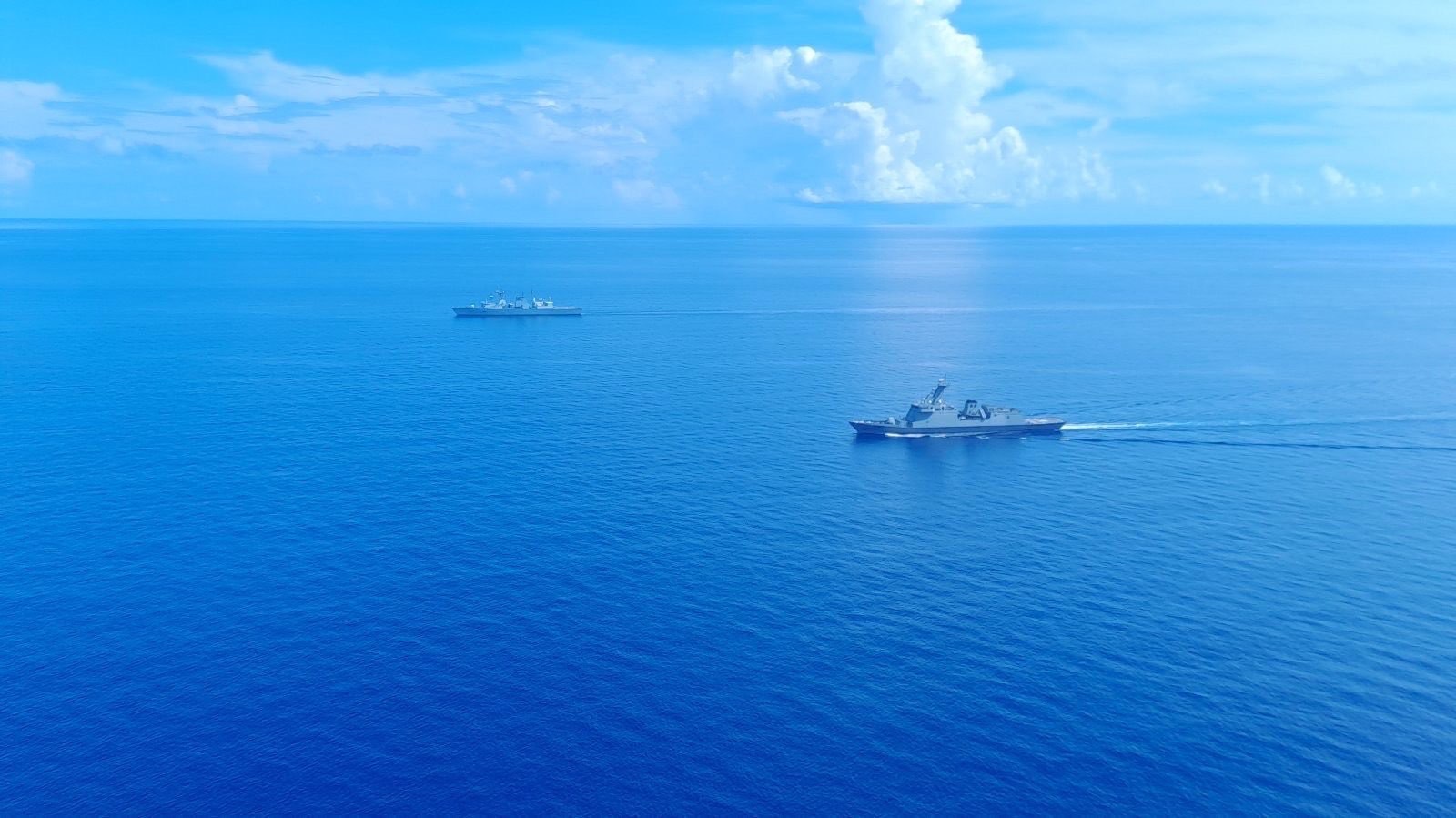
The Armed Forces of the Philippines (AFP) will deploy ships and aircraft for the regular conduct of maritime and aerial patrol in the West Philippine Sea (WPS) amid the fishing ban unilaterally imposed by China in areas it claims in the South China Sea.
This is to ensure the safety and security of Filipino fishermen who will go out in the WPS to do fishing activities, said Col. Francel Margareth Padilla, AFP spokesperson.
"We are continuing with of course our regular activities in the area. We will continuously patrol our waters through the Philippine Navy as well as our Philippine Air Force," she said.
The AFP rejected the fishing moratorium by China which is in effect from May 1 to September 16 which covers areas in South China Sea 12 degrees of the north latitude, including Bajo de Masinloc (Panatag or Scarborough Shoal), a traditional fishing ground for Filipino fishermen.
"The Armed Forces of the Philippines strongly objects to China's unilateral fishing ban in the South China Sea. We assert that it's lacking in legal basis," Padilla said.
"It breaches our rightful maritime claims under the UNCLOS (United Nations Convention on the Law of the Sea) and the 2016 arbitral decision which upholds the fishing privileges of the Filipino fishermen in the West Philippine Sea," she added.
Tension in the WPS remains high as China continues to establish a steady maritime force within the Philippines 200-nautical mile exclusive economic zone.
Just last week, the China Coast Guard's (CCG) vessel CCG 5901, dibned as "Monster Ship" and considered as the world's largest coast guard vessel, was monitored near Bajo de Masinloc.
Padilla said the presence of CCG 5901 in the Philippine waters was part of China's ICAD or "illegal, coercive, aggressive, and deceptive activities" in the South China Sea.
"This vessel just passed by our waters but it's actually part of the ICAD activities by China," she said.
The AFP vowed to protect the territorial integrity of the country by maintaining its presence in the disputed areas through routine patrols, working with "like-minded" nations to preserve peace in the Indo-Pacific region, and keep the waters open and accessible to all nations.
"We are guided by the Constitution and the principles of national sovereignty. We underscore that no foreign entity has the authority to impede the Philippines from exercising our sovereign rights over our exclusive economic zone," Padilla said.