

ADVERTISEMENT

OFWs rejoice! Internet Voting Bill gets penultimate House nod 

Published May 9, 2024 01:24 am

At A Glance

  • The House of Representatives approved on second reading during plenary session late Wednesday afternoon, May 8 the proposed Overseas Electronic Registration and Voting Act, more commonly known as Internet Voting Bill. 

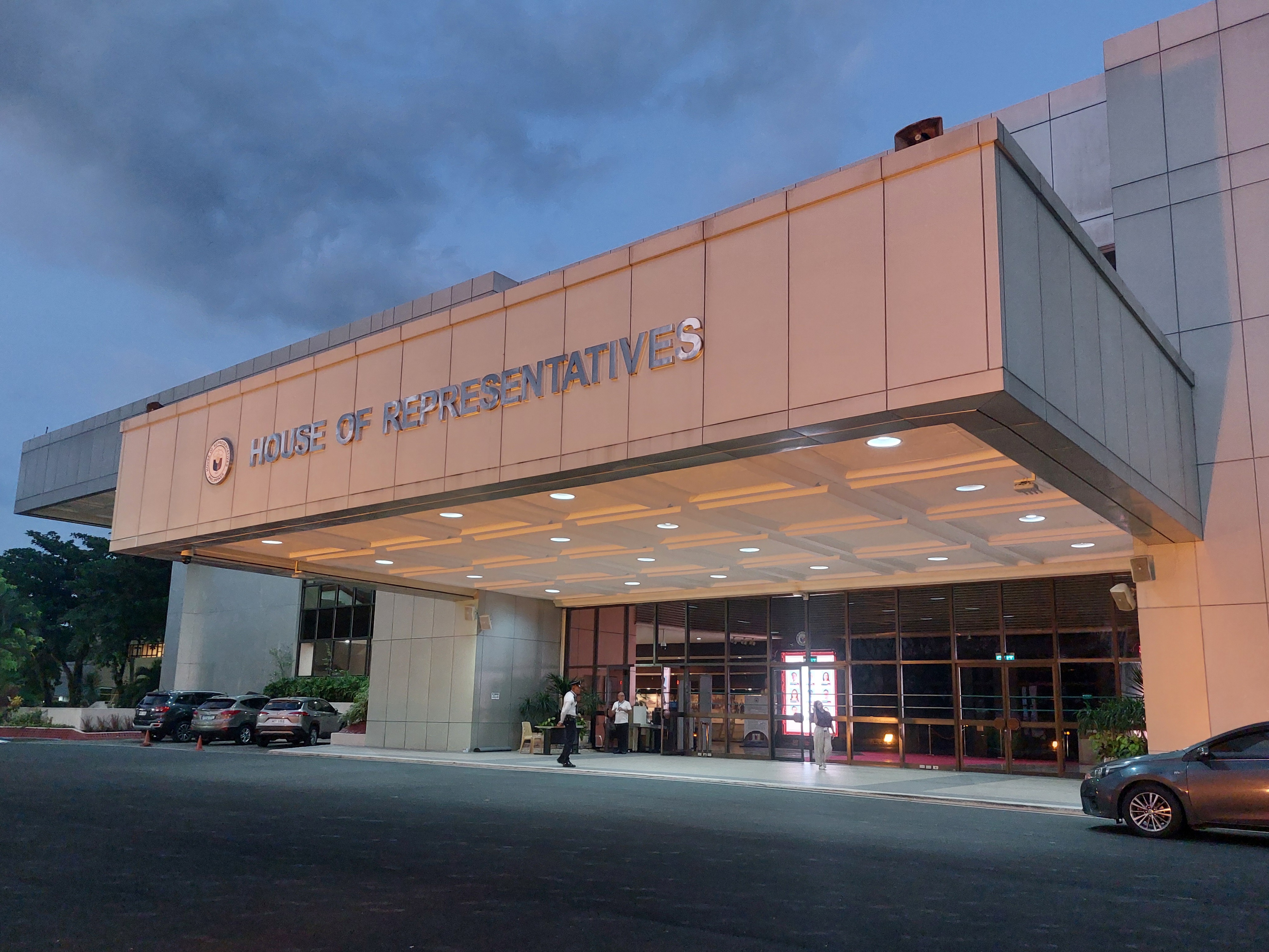
20240401_182237(1).jpgHouse of Representatives (Ellson Quismorio/ MANILA BULLETIN)


The House of Representatives approved on second reading during plenary session late Wednesday afternoon, May 8 the proposed Overseas Electronic Registration and Voting Act, more commonly known as Internet Voting Bill.
The measure, House Bill (HB) No.10178, which substituted HB No.6770, was approved via simple voice vote (ayes vs. nayes).

OFW Party List Rep. Marissa “Del Mar” Magsino, the principal author of HB No.6770, delivered the sponsorship in plenary before the voice vote was carried out.

The Internet Voting Bill seeks to expand the registration and voting methods available to overseas Filipino voters under existing laws to include Internet or electronic registration and voting through available technologies as the Commission on Elections (Comelec) may deem appropriate, as an additional option, to provide greater ease and encourage overseas Filipino Workers (OFWs) and overseas Filipinos (OFs) to exercise their right of suffrage, with due regard to protecting their privacy and the sanctity of their ballots.

Magsino says the measure’s second-reading approval is a triumph for overseas voters, as it will provide them, particularly OFWs, an alternative, viable, convenient, and secured means to exercise their right of suffrage. This will allow them to help shape the future of their families and their motherland, the minority solon said.

“Half the battle is won and I consider this a victory for our overseas voters...We expect this will likewise boost the efforts of our colleagues in the Senate to pass the counterpart bill," said Masgino.

In her sponsorship speech, the party-list lawmaker underscored that low voter turnout among overseas voters remains a challenge. The dilemma is attributable to the considerable physical distance between the overseas voters’ workplaces or residences and the location of the Philippine Posts in their host countries, to the itinerant character of their employment as in the case of Filipino seafarers, and on other restrictive personal circumstances of the overseas voters while at work.

According to the Comelec, of the 1.69 million registered overseas voters, including OFWs, only around 600,000 or 35.5 percent actually voted in the last 2022 National and Local Elections (NLEs).

“The low voter turnout of overseas voters is a case of electoral disenfranchisement, regardless whether of voluntary or involuntary nature," Magsino said.

While Comelec has shown progress in implementing Internet voting for the 2025 mid-term elections, Magsino noted in her speech the necessity of a specific statutory basis to solidify and support this initiative.

The poll body had announced that Internet voting will be the primary mode of casting ballots for overseas Filipinos in 2025, except in countries with internet restrictions where mail-in and physical voting will likely be implemented in around 17 Philippine Posts across the world.

“The fact that Comelec is already in the process of employing internet voting as an option for our overseas voters in the coming 2025 national elections does not diminish the importance nor the urgency of enacting the proposed measure.

"To emphasize, the measure will provide a solid statutory basis for the Commission’s current and future undertakings on Internet voting as well as securing budgetary support for the purpose. Moreover, House Bill 10178 will allow Internet voter registration, which the existing law does not provide," explained the lady solon.

She addressed concerns and doubts surrounding Internet voting by referring to global examples like Estonia, Canada, and Australia and by highlighting the security and integrity features of the proposed Online Voting and Counting System (OVCS).

The 300-plus strong House is expected to pass HB No.10178 on third and final reading before sine die adjournment on May 22.

Related Tags

second reading House of Representatives internet voting Marissa "Del Mar" Magsino
ADVERTISEMENT
.most-popular .layout-ratio{ padding-bottom: 79.13%; } @media (min-width: 768px) and (max-width: 1024px) { .widget-title { font-size: 15px !important; } }

{{ articles_filter_1561_widget.title }}

.most-popular .layout-ratio{ padding-bottom: 79.13%; } @media (min-width: 768px) and (max-width: 1024px) { .widget-title { font-size: 15px !important; } }

{{ articles_filter_1562_widget.title }}

.most-popular .layout-ratio{ padding-bottom: 79.13%; } @media (min-width: 768px) and (max-width: 1024px) { .widget-title { font-size: 15px !important; } }

{{ articles_filter_1563_widget.title }}

{{ articles_filter_1564_widget.title }}

.mb-article-details { position: relative; } .mb-article-details .article-body-preview, .mb-article-details .article-body-summary{ font-size: 17px; line-height: 30px; font-family: "Libre Caslon Text", serif; color: #000; } .mb-article-details .article-body-preview iframe , .mb-article-details .article-body-summary iframe{ width: 100%; margin: auto; } .read-more-background { background: linear-gradient(180deg, color(display-p3 1.000 1.000 1.000 / 0) 13.75%, color(display-p3 1.000 1.000 1.000 / 0.8) 30.79%, color(display-p3 1.000 1.000 1.000) 72.5%); position: absolute; height: 200px; width: 100%; bottom: 0; display: flex; justify-content: center; align-items: center; padding: 0; } .read-more-background a{ color: #000; } .read-more-btn { padding: 17px 45px; font-family: Inter; font-weight: 700; font-size: 18px; line-height: 16px; text-align: center; vertical-align: middle; border: 1px solid black; background-color: white; } .hidden { display: none; }
function initializeAllSwipers() { // Get all hidden inputs with cms_article_id document.querySelectorAll('[id^="cms_article_id_"]').forEach(function (input) { const cmsArticleId = input.value; const articleSelector = '#article-' + cmsArticleId + ' .body_images'; const swiperElement = document.querySelector(articleSelector); if (swiperElement && !swiperElement.classList.contains('swiper-initialized')) { new Swiper(articleSelector, { loop: true, pagination: false, navigation: { nextEl: '#article-' + cmsArticleId + ' .swiper-button-next', prevEl: '#article-' + cmsArticleId + ' .swiper-button-prev', }, }); } }); } setTimeout(initializeAllSwipers, 3000); const intersectionObserver = new IntersectionObserver( (entries) => { entries.forEach((entry) => { if (entry.isIntersecting) { const newUrl = entry.target.getAttribute("data-url"); if (newUrl) { history.pushState(null, null, newUrl); let article = entry.target; // Extract metadata const author = article.querySelector('.author-section').textContent.replace('By', '').trim(); const section = article.querySelector('.section-info ').textContent.replace(' ', ' '); const title = article.querySelector('.article-title h1').textContent; // Parse URL for Chartbeat path format const parsedUrl = new URL(newUrl, window.location.origin); const cleanUrl = parsedUrl.host + parsedUrl.pathname; // Update Chartbeat configuration if (typeof window._sf_async_config !== 'undefined') { window._sf_async_config.path = cleanUrl; window._sf_async_config.sections = section; window._sf_async_config.authors = author; } // Track virtual page view with Chartbeat if (typeof pSUPERFLY !== 'undefined' && typeof pSUPERFLY.virtualPage === 'function') { try { pSUPERFLY.virtualPage({ path: cleanUrl, title: title, sections: section, authors: author }); } catch (error) { console.error('ping error', error); } } // Optional: Update document title if (title && title !== document.title) { document.title = title; } } } }); }, { threshold: 0.1 } ); function showArticleBody(button) { const article = button.closest("article"); const summary = article.querySelector(".article-body-summary"); const body = article.querySelector(".article-body-preview"); const readMoreSection = article.querySelector(".read-more-background"); // Hide summary and read-more section summary.style.display = "none"; readMoreSection.style.display = "none"; // Show the full article body body.classList.remove("hidden"); } document.addEventListener("DOMContentLoaded", () => { let loadCount = 0; // Track how many times articles are loaded const offset = [1, 2, 3, 4, 5, 6, 7, 8, 9, 10]; // Offset values const currentUrl = window.location.pathname.substring(1); let isLoading = false; // Prevent multiple calls if (!currentUrl) { console.log("Current URL is invalid."); return; } const sentinel = document.getElementById("load-more-sentinel"); if (!sentinel) { console.log("Sentinel element not found."); return; } function isSentinelVisible() { const rect = sentinel.getBoundingClientRect(); return ( rect.top < window.innerHeight && rect.bottom >= 0 ); } function onScroll() { if (isLoading) return; if (isSentinelVisible()) { if (loadCount >= offset.length) { console.log("Maximum load attempts reached."); window.removeEventListener("scroll", onScroll); return; } isLoading = true; const currentOffset = offset[loadCount]; window.loadMoreItems().then(() => { let article = document.querySelector('#widget_1690 > div:nth-last-of-type(2) article'); intersectionObserver.observe(article) loadCount++; }).catch(error => { console.error("Error loading more items:", error); }).finally(() => { isLoading = false; }); } } window.addEventListener("scroll", onScroll); });

Sign up by email to receive news.