







Rice tariff cut cannot reduce inflation rate—farmers' group
By Jel Santos


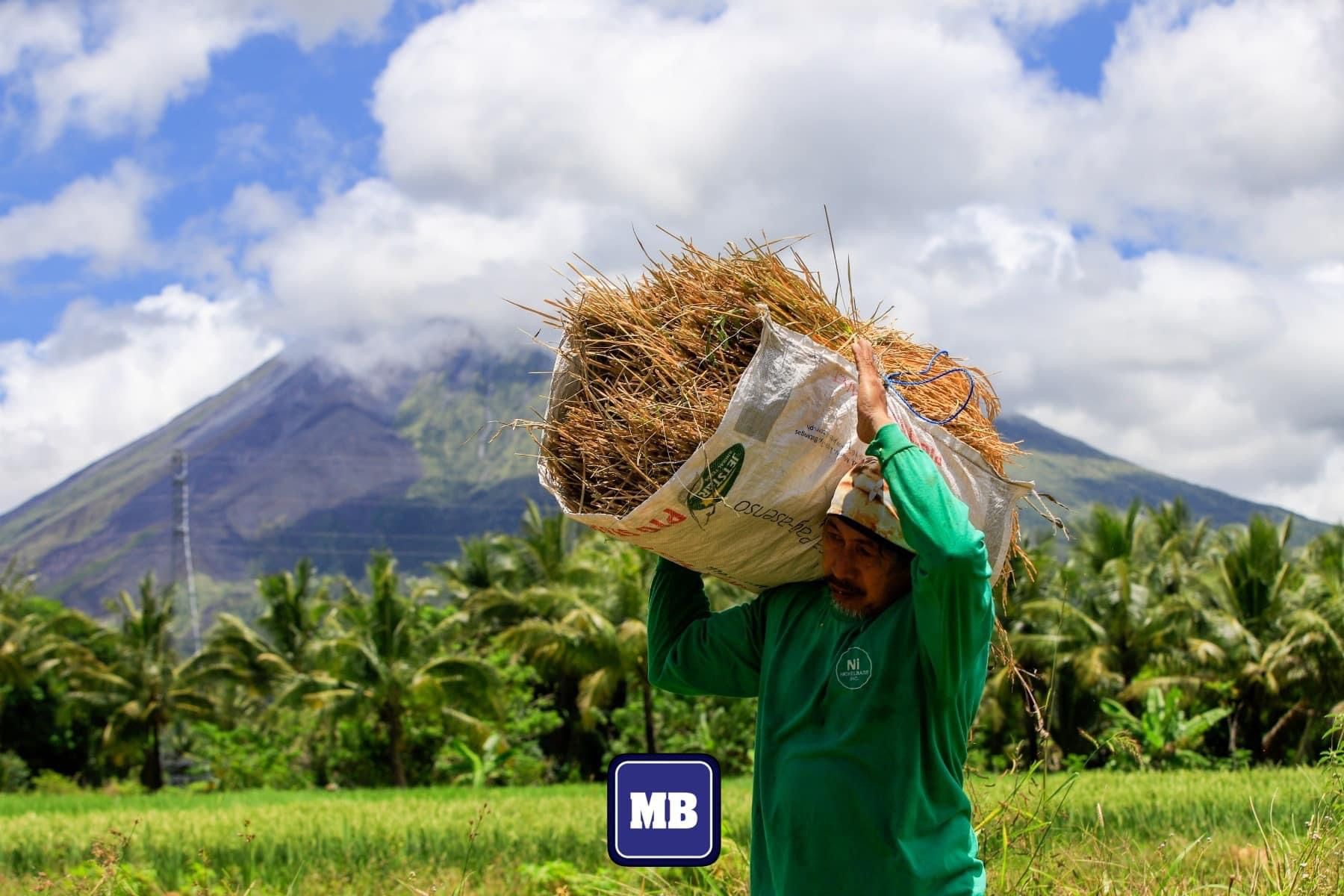
The proposal to implement a tariff cut in a bid to reduce prices of imported rice cannot lower the country’s inflation rate, the Federation of Free Farmers Cooperatives, Inc. (FFFCI) said on Thursday, May 30.
Leonardo Montemayor, the chairperson of the Federation of Free Farmers Cooperatives, Inc. (FFFCI) and former Department of Agriculture (DA) secretary, asserted that the tariff reduction will solely benefit importers and traders, with no advantage to consumers.
“Hindi rin nito mapapababa ang inflation rate (The tariff reduction will not reduce the country’s inflation rate),” he said in a radio interview.
“Anuman ang benepisyo ng reduced tariff rate sa inangkat nating bigas, hindi naman makikinabang ang consumer kasi in effect ganoon pa rin ang magiging presyo. Ang malaking pakinabang diyan ‘yung importer saka trader (Whatever benefits come from the reduced tariff rate on our imported rice, the consumer will not benefit because the price will essentially remain the same. The ones who will gain the most from this are the importers and traders),” he went on.
The former DA secretary said the proposal for tariff reduction is quite alarming.
“Kasi iyong taripa sa bigas, eh, apat na taon nang pinababa ‘yan, ‘yung mga bigas mula India, Pakistan at ibang non-ASEAN countries, ibinaba na ‘yun. Hindi naman nagkaroon ng karampatang pagbaba sa presyo ng bigas para sa ating mga mamimili. Mahal pa rin (Because the tariff on rice has been reduced for four years now, including for rice from India, Pakistan, and other non-ASEAN countries. Despite this, there hasn't been a corresponding decrease in rice prices for our consumers. It’s still expensive,” Montemayor pointed out.
According to the FFFCI, there is no certainty that reducing the tariff rate from 35 percent to 17.5 percent will be effective.
“Eh, ang nangyari nga kasi noong nakaraan ‘di ba ‘yung taripa sa Pakistan. Ang ginawa ng Pakistan, itinaas naman iyong bigas na in-export sa atin wala ring epekto. Patas lang (
(What happened previously with the tariff on rice from Pakistan was that Pakistan increased the price of the rice they exported to us, so there was no effect. It balanced out),” he said.
For the farmers' group Samahang Industriya ng Agrikultura (SINAG, cutting tariffs will “penalize” local producers and promote the interests of a small group of privileged importers and favored traders.
“We have been under a reduced tariff regime for the last four years; and yet rice prices have gone up,” Jayson Cainglet, the executive director of SINAG, noted.
He added: “Reduced tariff resulting in more imported rice have not reduced rice prices.”
Montemayor said the government should fortify the Philippines’ agricultural production.
The DA’s budget, he said, should be significantly increased.
Constructing roads in rural areas is very important, he added.
Earlier, Finance Secretary Ralph G. Recto said a reduction of the tariff on imported rice to 17.5 percent would be more advantageous for consumers and farmers.