







Marcos keen on adopting Brunei's waste-to energy approach


The Philippines intends to adopt the latest state-of-the-art technology used by Brunei's power industry, President Marcos told Bruneian firms.
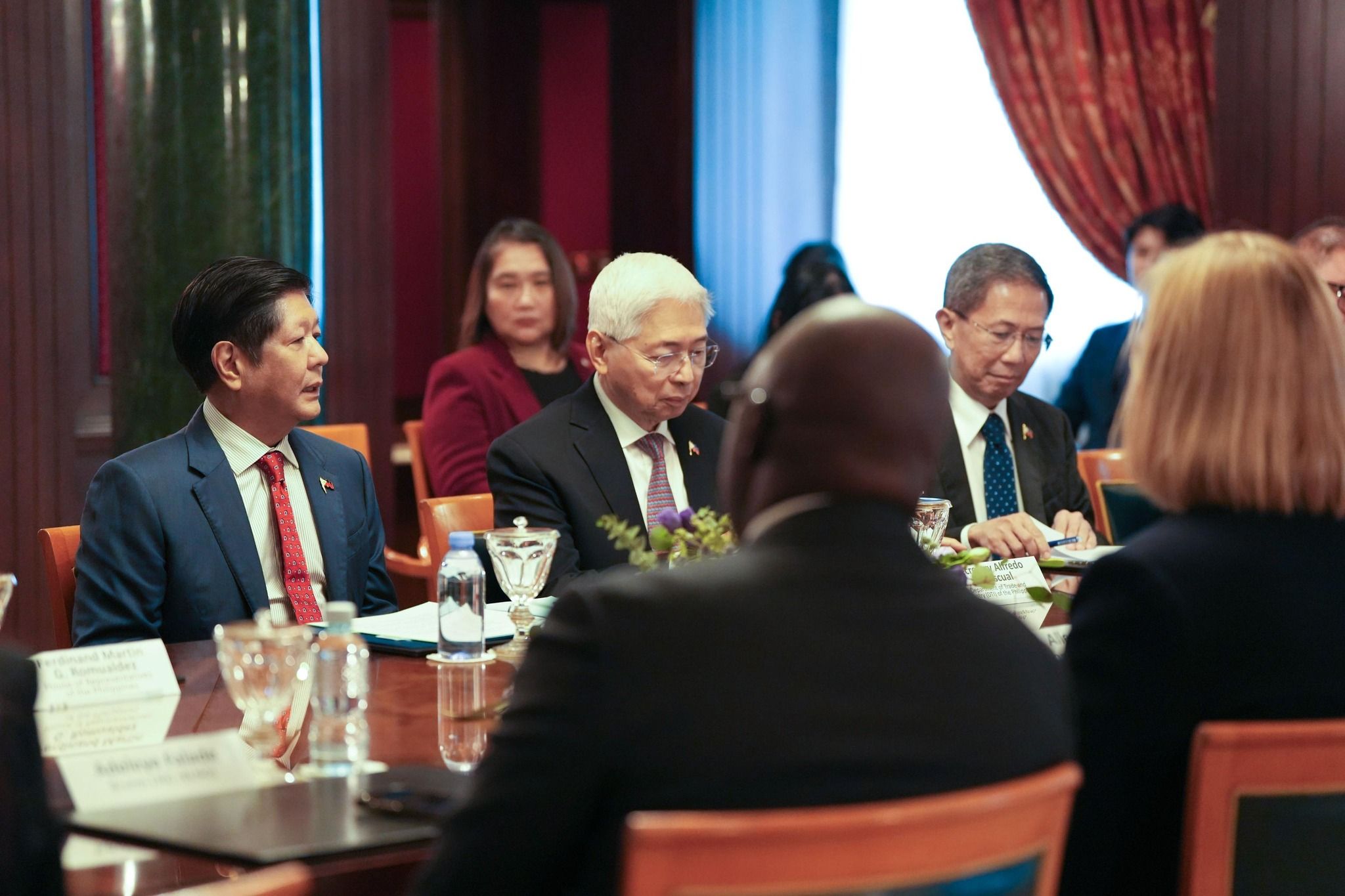
During a high-level meeting with key players in Brunei's energy sector during his state visit in the neighboring country, Marcos emphasized the government's interest in waste-to-energy projects as the country shift from fossil fuels to renewables
He discussed the potential investments in the Philippine renewable energy sector and enhancements on oil and gas collaborations.
“There’s a great deal of interest in that (waste to energy). But right now, it is not at the very macro level. It’s very much at the micro level. Yeah, it’s basically local governments because there is the problem, the attendant problem of what do we do with our waste?” Marcos said.
“The old solution was to ship them somewhere else and pay somebody else to put them in a landfill. Nobody wants it anymore. Nobody is not worth [the] money anymore for anyone. That’s a problem, especially in the big cities. But then that’s also where that solution could be most viable,” he added.
But there must be appropriate infrastructure to harness the energy coming from landfills especially as technology continues to evolve, the President said.
He mentioned several challenges such as legal and regulatory issues and scaling of wastes by local government units (LGUs) to make such venture commercially viable.
“We had to organize garbage collection in half the province to be able to support that technology. And there’s with the problem this politics entered into it. It was just a little difficult. You must be familiar with the problem,” Marcos pointed out.
“But I think the legislators are coming around to the understanding that there actually are viable and clean solutions to the problem of waste disposal. So you take care of two very difficult problems at the same time,” he added.
Among those who met the President were representatives from Brunei Shell Petroleum Company Sdn. Bhd (BSP), Brunei LNG Sdn. Bhd (BLNG), Total Energies in BruneI, Serikandi Oilfield Services Sdn Bhd, and Adinin Group of Companies.
Brunei is actively exploring the potential for renewable energy-based connectivity by establishing interconnections with neighboring countries, while oil and gas will remain integral to the regional energy mix during the ongoing energy transition.
The Philippines has made a commitment to reducing carbon emissions and promoting renewable energy, aligning itself with global efforts to combat climate change.