

ADVERTISEMENT

DOH warns of higher risk of heat stroke as temperatures rise; urges increased hydration

Published May 2, 2024 02:13 am

The Department of Health (DOH) warned of the high likelihood of heat stroke as temperatures soar and reminded the public to remain alert and ensure to stay cool and well-hydrated.
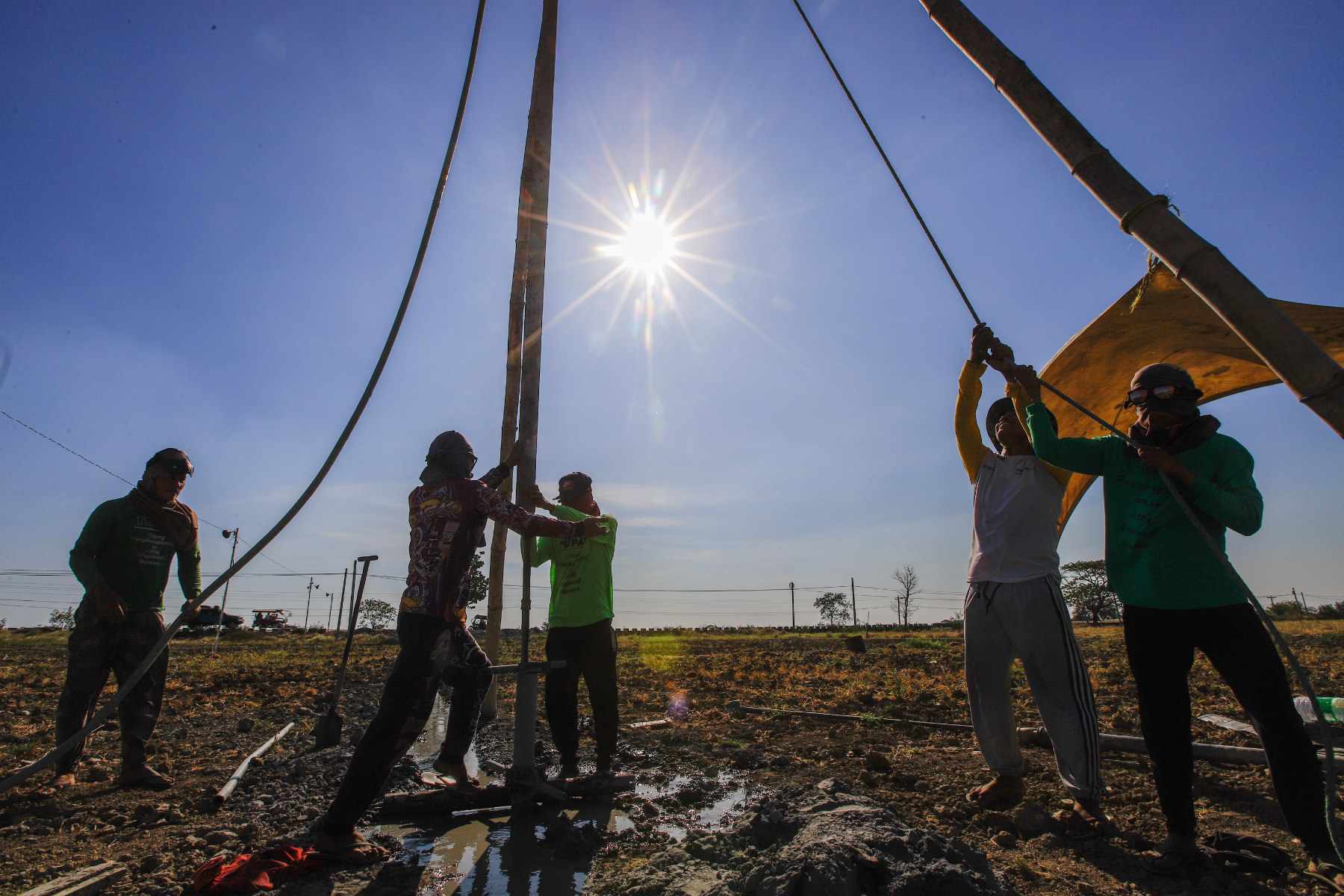
439611360_630341955962115_5904359088601678345_n.jpg
(Noel B. Pabalate / Manila Bulletin)

DOH Assistant Secretary and spokesperson Albert Domingo explained the importance of “thermoregulation” to prevent heat stroke during an interview with Saksi sa Dobol B on Wednesday, May 1.

“Sa madaling salita, ‘yung katawan natin ay hindi kayang alisin 'yung init. Kasi sa sobrang init ng paligid, wala nang pupuntahan yung pinakainit (In simple terms, our bodies can't dissipate the heat. Because of the extreme heat in the surroundings, the excess heat has nowhere to go),” he said.

He explained that common symptoms of heat stroke include loss of consciousness, confusion, and in severe cases, even heart attacks.

“Pero ‘yan na po ‘yung pinakamalala sa tatlong tinatawag na heat-related illnesses. ‘Yung hindi naman ganong kalala, pababa tayo, mula sa heat stroke, meron tinatawag na heat exhaustion yung kapaguran (But those are the most severe among the three heat-related illnesses. The less severe one is heat exhaustion, which is extreme fatigue),” Domingo noted.

“Hindi naman nawawalan ng malay pero napapagod ng sobra ‘yung tao (People don't lose consciousness, but they become extremely tired),” he added.

Meanwhile, Domingo addressed the mildest form of heat-related illness, heat cramps, which manifest as muscle cramps due to dehydration and overheating.

“Namumulikat ‘yung gawing bahagi ng ating mga hita dahil natutuyuan at naiinitan ‘yung katawan (The muscles in our thighs cramp because they're dehydrated and the body is overheated),” he said.

Domingo said “dehydration” is a primary concern in heat stroke cases, highlighting the importance of drinking clean water regularly to stay hydrated.

“Yan ang pinakamalaking problema sa heat stroke. Nawawalan ng tubig kaya ang advice natin is always drink clean water (That's the biggest issue with heat stroke. Dehydration occurs, so our advice is always to drink clean water),” he highlighted.

READ: https://mb.com.ph/2024/5/1/doh-oks-8-to-10-glasses-of-water-daily-amid-hot-weather-condition

Moreover, Domingo said that if a person consumes ample water yet doesn't urinate, it's due to the body's absorption of the ingested water.

"We call that insensible losses. Because, as Joel compared, when it's cold, well relatively cold during Christmas season, we don't sweat that much. So our bodies find a way to release the water," Domingo explained in Filipino.

He likened the body's cooling process to a car radiator, releasing water to mitigate heat.

“Ngayong sa sobrang init ng panahon, kailangan, para tayong ano eh, parang sa kotse ‘yung radiator, binubuhusan ng tubig para lumamig (Now, with the extreme heat of the weather, it's like our body is, well, like a car's radiator, pouring water to cool down),” he added.

In light of these risks, Domingo urged the public to remain vigilant and maintain hydration by consuming at least eight glasses of water daily to mitigate the risk of dehydration and heat-related illnesses.

Related Tags

heat-related illnesses hydration Heat stroke DOH
ADVERTISEMENT
.most-popular .layout-ratio{ padding-bottom: 79.13%; } @media (min-width: 768px) and (max-width: 1024px) { .widget-title { font-size: 15px !important; } }

{{ articles_filter_1561_widget.title }}

.most-popular .layout-ratio{ padding-bottom: 79.13%; } @media (min-width: 768px) and (max-width: 1024px) { .widget-title { font-size: 15px !important; } }

{{ articles_filter_1562_widget.title }}

.most-popular .layout-ratio{ padding-bottom: 79.13%; } @media (min-width: 768px) and (max-width: 1024px) { .widget-title { font-size: 15px !important; } }

{{ articles_filter_1563_widget.title }}

{{ articles_filter_1564_widget.title }}

.mb-article-details { position: relative; } .mb-article-details .article-body-preview, .mb-article-details .article-body-summary{ font-size: 17px; line-height: 30px; font-family: "Libre Caslon Text", serif; color: #000; } .mb-article-details .article-body-preview iframe , .mb-article-details .article-body-summary iframe{ width: 100%; margin: auto; } .read-more-background { background: linear-gradient(180deg, color(display-p3 1.000 1.000 1.000 / 0) 13.75%, color(display-p3 1.000 1.000 1.000 / 0.8) 30.79%, color(display-p3 1.000 1.000 1.000) 72.5%); position: absolute; height: 200px; width: 100%; bottom: 0; display: flex; justify-content: center; align-items: center; padding: 0; } .read-more-background a{ color: #000; } .read-more-btn { padding: 17px 45px; font-family: Inter; font-weight: 700; font-size: 18px; line-height: 16px; text-align: center; vertical-align: middle; border: 1px solid black; background-color: white; } .hidden { display: none; }
function initializeAllSwipers() { // Get all hidden inputs with cms_article_id document.querySelectorAll('[id^="cms_article_id_"]').forEach(function (input) { const cmsArticleId = input.value; const articleSelector = '#article-' + cmsArticleId + ' .body_images'; const swiperElement = document.querySelector(articleSelector); if (swiperElement && !swiperElement.classList.contains('swiper-initialized')) { new Swiper(articleSelector, { loop: true, pagination: false, navigation: { nextEl: '#article-' + cmsArticleId + ' .swiper-button-next', prevEl: '#article-' + cmsArticleId + ' .swiper-button-prev', }, }); } }); } setTimeout(initializeAllSwipers, 3000); const intersectionObserver = new IntersectionObserver( (entries) => { entries.forEach((entry) => { if (entry.isIntersecting) { const newUrl = entry.target.getAttribute("data-url"); if (newUrl) { history.pushState(null, null, newUrl); let article = entry.target; // Extract metadata const author = article.querySelector('.author-section').textContent.replace('By', '').trim(); const section = article.querySelector('.section-info ').textContent.replace(' ', ' '); const title = article.querySelector('.article-title h1').textContent; // Parse URL for Chartbeat path format const parsedUrl = new URL(newUrl, window.location.origin); const cleanUrl = parsedUrl.host + parsedUrl.pathname; // Update Chartbeat configuration if (typeof window._sf_async_config !== 'undefined') { window._sf_async_config.path = cleanUrl; window._sf_async_config.sections = section; window._sf_async_config.authors = author; } // Track virtual page view with Chartbeat if (typeof pSUPERFLY !== 'undefined' && typeof pSUPERFLY.virtualPage === 'function') { try { pSUPERFLY.virtualPage({ path: cleanUrl, title: title, sections: section, authors: author }); } catch (error) { console.error('ping error', error); } } // Optional: Update document title if (title && title !== document.title) { document.title = title; } } } }); }, { threshold: 0.1 } ); function showArticleBody(button) { const article = button.closest("article"); const summary = article.querySelector(".article-body-summary"); const body = article.querySelector(".article-body-preview"); const readMoreSection = article.querySelector(".read-more-background"); // Hide summary and read-more section summary.style.display = "none"; readMoreSection.style.display = "none"; // Show the full article body body.classList.remove("hidden"); } document.addEventListener("DOMContentLoaded", () => { let loadCount = 0; // Track how many times articles are loaded const offset = [1, 2, 3, 4, 5, 6, 7, 8, 9, 10]; // Offset values const currentUrl = window.location.pathname.substring(1); let isLoading = false; // Prevent multiple calls if (!currentUrl) { console.log("Current URL is invalid."); return; } const sentinel = document.getElementById("load-more-sentinel"); if (!sentinel) { console.log("Sentinel element not found."); return; } function isSentinelVisible() { const rect = sentinel.getBoundingClientRect(); return ( rect.top < window.innerHeight && rect.bottom >= 0 ); } function onScroll() { if (isLoading) return; if (isSentinelVisible()) { if (loadCount >= offset.length) { console.log("Maximum load attempts reached."); window.removeEventListener("scroll", onScroll); return; } isLoading = true; const currentOffset = offset[loadCount]; window.loadMoreItems().then(() => { let article = document.querySelector('#widget_1690 > div:nth-last-of-type(2) article'); intersectionObserver.observe(article) loadCount++; }).catch(error => { console.error("Error loading more items:", error); }).finally(() => { isLoading = false; }); } } window.addEventListener("scroll", onScroll); });

Sign up by email to receive news.