ADVERTISEMENT

Toward more proactive, holistic approach to ensure reliable power supply

Published May 16, 2024 04:03 pm

E CARTOON MAY 17 ,2024.jpg


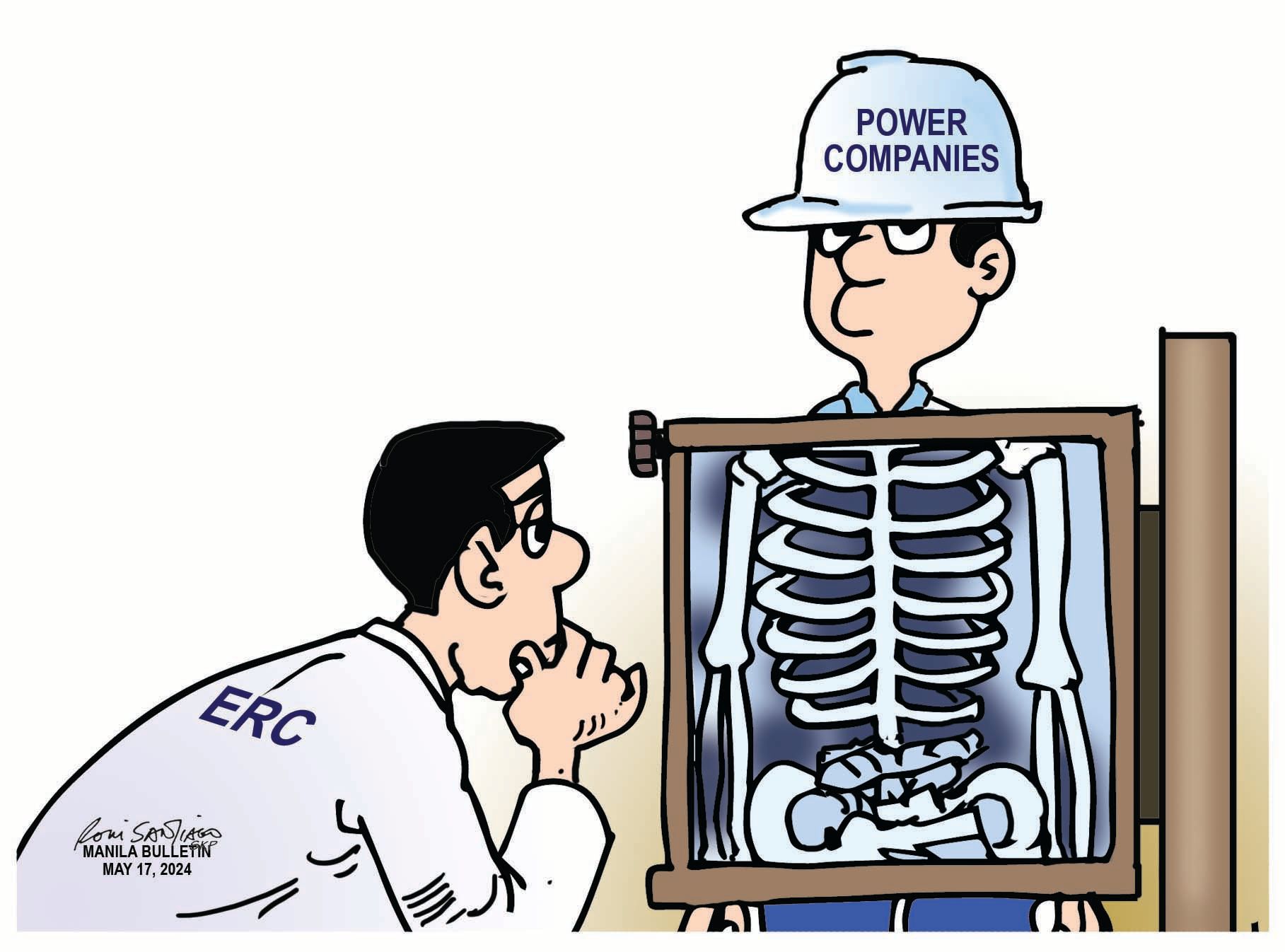
The testimony of an Energy Regulatory Commission (ERC) official before a Senate hearing was quite revealing. The regulatory body primarily relies on desk monitoring—wherein companies are required to submit a report on the conditions of their plants—rather than conducting physical inspections in overseeing power companies. 

This practice, while convenient for the government regulator, may inadvertently contribute to lax compliance with regulatory measures, potentially exacerbating recurring power issues in the country. It could also leave the ERC and the public in the dark on the actual power situation.

No doubt, the country continues to experience frequent power interruptions. On April 16, 2024, for instance, 35 unplanned outages in Luzon, 48 in Visayas, and 10 in Mindanao were logged, with red and yellow alerts hoisted over power grids in Luzon, Visayas, and Mindanao.

The current ERC monitoring practice is risky. As Senator Francis Escudero pointed out during the hearing, no company would ever declare something that is against its interests. “They will say everything is good and dandy. It’s good if they will declare against their interests and say that there’s something wrong with their plant, but they usually don’t,” the senator said.

To address this critical gap and enhance regulatory efficiency, rigorous physical inspections are necessary to ensure reliable power services. Crucial here is the allocation of resources for regular, on-site inspections of power plants, substations, and distribution facilities. These inspections would assess infrastructure conditions, safety protocols, and compliance with environmental standards.

By physically examining power facilities, potential risks, maintenance needs, and operational deficiencies can be identified and immediately addressed. This proactive approach will prevent issues before they escalate.

Risk-based assessment is another crucial measure. Inspection priority should be based on risk factors. High-risk facilities—aging plants or those with a history of non-compliance—should receive more frequent scrutiny. Risk assessments should consider factors like plant age, location, capacity, and historical performance. This targeted approach ensures efficient resource allocation.

Another vital approach to ensure efficient power service is transparent reporting and accountability. Power companies must submit comprehensive reports on their operations, maintenance practices, and compliance status. However, these reports should be publicly accessible to promote transparency. The ERC, on the other hand, should publish an annual report summarizing inspection findings, regulatory actions taken, and areas for improvement. This transparency holds both regulators and power companies accountable.

With the digital environment, leveraging technology is another crucial approach that should be undertaken. Utilizing digital tools can help revolutionize monitoring and reporting. Remote sensors, real-time data analytics, and predictive maintenance systems can identify issues early. Investing in a centralized database for tracking compliance records, inspection schedules, and incident reports is vital. Automation reduces paperwork and streamlines processes.

Efficient regulation requires a holistic transformation—one that combines physical inspections, risk-based assessments, transparency, and technology. By embracing these strategies, safeguarding the nation’s power supply and promoting sustainable economic growth can be attained.

Let’s all keep in mind that a well-regulated power sector benefits not only consumers but also the entire country, thus, ensuring a brighter future for all. So, let us collectively advocate for a resilient and efficient energy landscape.

Related Tags

EDITORIAL
ADVERTISEMENT
.most-popular .layout-ratio{ padding-bottom: 79.13%; } @media (min-width: 768px) and (max-width: 1024px) { .widget-title { font-size: 15px !important; } }

{{ articles_filter_1561_widget.title }}

.most-popular .layout-ratio{ padding-bottom: 79.13%; } @media (min-width: 768px) and (max-width: 1024px) { .widget-title { font-size: 15px !important; } }

{{ articles_filter_1562_widget.title }}

.most-popular .layout-ratio{ padding-bottom: 79.13%; } @media (min-width: 768px) and (max-width: 1024px) { .widget-title { font-size: 15px !important; } }

{{ articles_filter_1563_widget.title }}

{{ articles_filter_1564_widget.title }}

.mb-article-details { position: relative; } .mb-article-details .article-body-preview, .mb-article-details .article-body-summary{ font-size: 17px; line-height: 30px; font-family: "Libre Caslon Text", serif; color: #000; } .mb-article-details .article-body-preview iframe , .mb-article-details .article-body-summary iframe{ width: 100%; margin: auto; } .read-more-background { background: linear-gradient(180deg, color(display-p3 1.000 1.000 1.000 / 0) 13.75%, color(display-p3 1.000 1.000 1.000 / 0.8) 30.79%, color(display-p3 1.000 1.000 1.000) 72.5%); position: absolute; height: 200px; width: 100%; bottom: 0; display: flex; justify-content: center; align-items: center; padding: 0; } .read-more-background a{ color: #000; } .read-more-btn { padding: 17px 45px; font-family: Inter; font-weight: 700; font-size: 18px; line-height: 16px; text-align: center; vertical-align: middle; border: 1px solid black; background-color: white; } .hidden { display: none; }
function initializeAllSwipers() { // Get all hidden inputs with cms_article_id document.querySelectorAll('[id^="cms_article_id_"]').forEach(function (input) { const cmsArticleId = input.value; const articleSelector = '#article-' + cmsArticleId + ' .body_images'; const swiperElement = document.querySelector(articleSelector); if (swiperElement && !swiperElement.classList.contains('swiper-initialized')) { new Swiper(articleSelector, { loop: true, pagination: false, navigation: { nextEl: '#article-' + cmsArticleId + ' .swiper-button-next', prevEl: '#article-' + cmsArticleId + ' .swiper-button-prev', }, }); } }); } setTimeout(initializeAllSwipers, 3000); const intersectionObserver = new IntersectionObserver( (entries) => { entries.forEach((entry) => { if (entry.isIntersecting) { const newUrl = entry.target.getAttribute("data-url"); if (newUrl) { history.pushState(null, null, newUrl); let article = entry.target; // Extract metadata const author = article.querySelector('.author-section').textContent.replace('By', '').trim(); const section = article.querySelector('.section-info ').textContent.replace(' ', ' '); const title = article.querySelector('.article-title h1').textContent; // Parse URL for Chartbeat path format const parsedUrl = new URL(newUrl, window.location.origin); const cleanUrl = parsedUrl.host + parsedUrl.pathname; // Update Chartbeat configuration if (typeof window._sf_async_config !== 'undefined') { window._sf_async_config.path = cleanUrl; window._sf_async_config.sections = section; window._sf_async_config.authors = author; } // Track virtual page view with Chartbeat if (typeof pSUPERFLY !== 'undefined' && typeof pSUPERFLY.virtualPage === 'function') { try { pSUPERFLY.virtualPage({ path: cleanUrl, title: title, sections: section, authors: author }); } catch (error) { console.error('ping error', error); } } // Optional: Update document title if (title && title !== document.title) { document.title = title; } } } }); }, { threshold: 0.1 } ); function showArticleBody(button) { const article = button.closest("article"); const summary = article.querySelector(".article-body-summary"); const body = article.querySelector(".article-body-preview"); const readMoreSection = article.querySelector(".read-more-background"); // Hide summary and read-more section summary.style.display = "none"; readMoreSection.style.display = "none"; // Show the full article body body.classList.remove("hidden"); } document.addEventListener("DOMContentLoaded", () => { let loadCount = 0; // Track how many times articles are loaded const offset = [1, 2, 3, 4, 5, 6, 7, 8, 9, 10]; // Offset values const currentUrl = window.location.pathname.substring(1); let isLoading = false; // Prevent multiple calls if (!currentUrl) { console.log("Current URL is invalid."); return; } const sentinel = document.getElementById("load-more-sentinel"); if (!sentinel) { console.log("Sentinel element not found."); return; } function isSentinelVisible() { const rect = sentinel.getBoundingClientRect(); return ( rect.top < window.innerHeight && rect.bottom >= 0 ); } function onScroll() { if (isLoading) return; if (isSentinelVisible()) { if (loadCount >= offset.length) { console.log("Maximum load attempts reached."); window.removeEventListener("scroll", onScroll); return; } isLoading = true; const currentOffset = offset[loadCount]; window.loadMoreItems().then(() => { let article = document.querySelector('#widget_1690 > div:nth-last-of-type(2) article'); intersectionObserver.observe(article) loadCount++; }).catch(error => { console.error("Error loading more items:", error); }).finally(() => { isLoading = false; }); } } window.addEventListener("scroll", onScroll); });

Sign up by email to receive news.