

ADVERTISEMENT

IF: Fun for kids and kids at heart

Published May 16, 2024 02:05 pm

At A Glance

  • These make-believe comrades of childhood are the topic of John Krasinski's new film, IF, short for, you guessed it, Imaginary Friends. 

IF_VFX_10.jpg
A scene from IF (Images courtesy of Paramount Pictures International)

We often associate imaginary friends with childhood. These pretend playmates, whether human, animal, something in between, or different altogether, help children cope with the harsh realities of life, practice behaving nicely, or simply pass the time. They are the totality of a child’s unfiltered imagination.

But what happens when a child grows up? As a child grows older and older, having an imaginary friend becomes less and less of a necessity and even something looked down on. So, they are eventually forgotten and lost to oblivion.

Or are they?
IF - JAPAN ART - 4X5.jpg

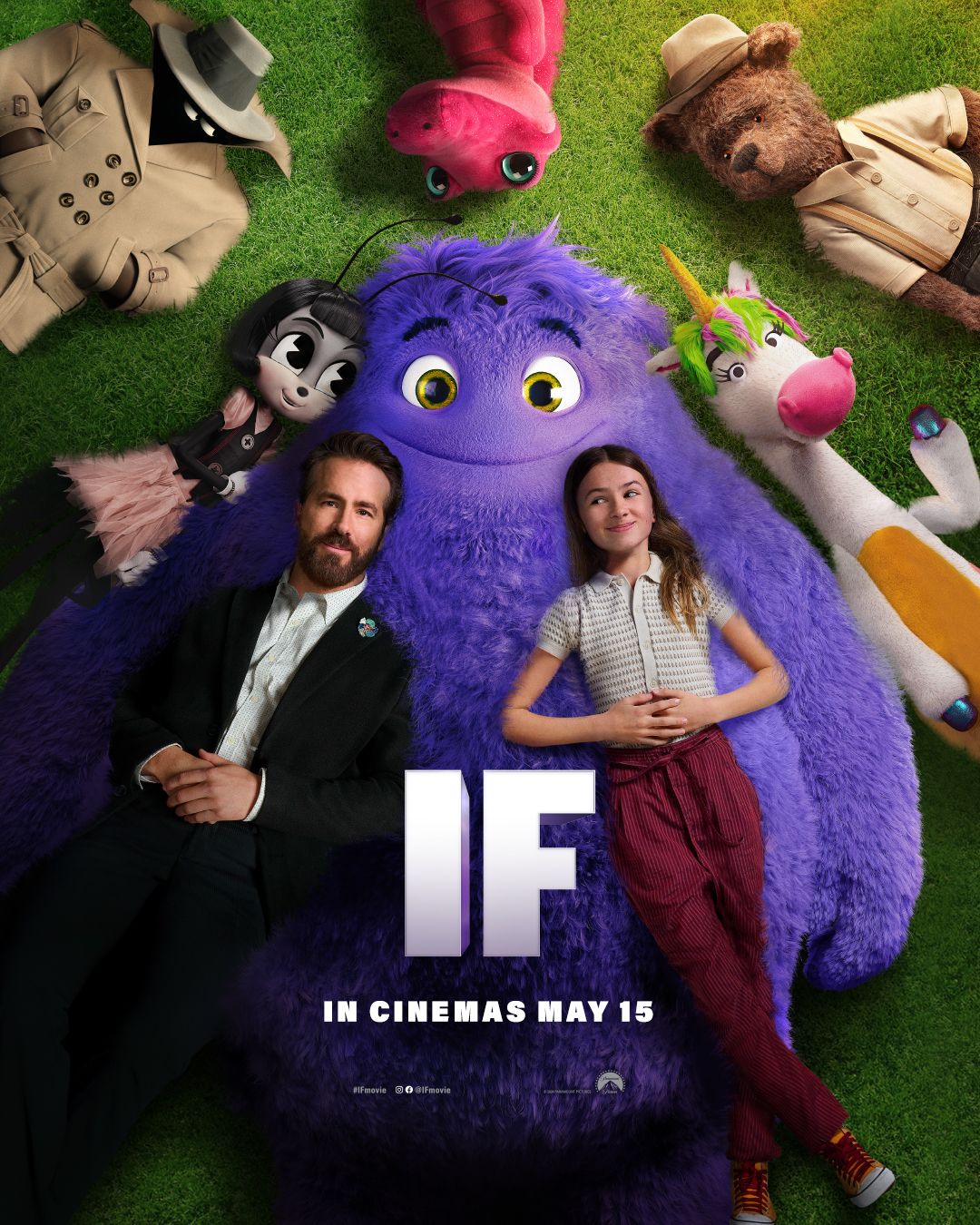
These make-believe comrades of childhood are the topic of John Krasinski’s new film, IF, short for, you guessed it, Imaginary Friends. The film follows a young girl, Bea (Cailey Fleming), who has been dealing with certain hardships in life that have sort of made her grow up faster than she should have. As she herself says in the film, she is no longer a kid.

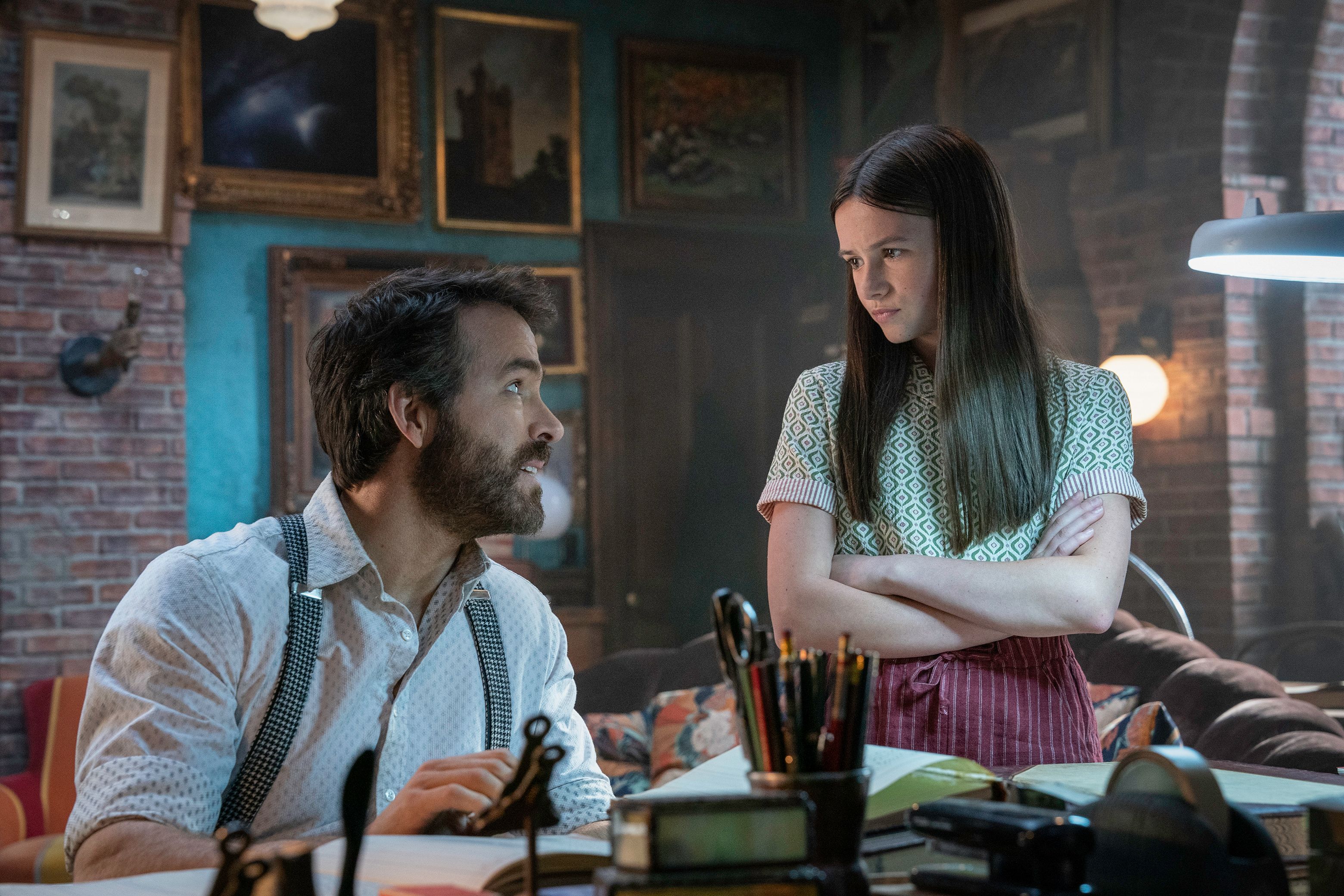
And yet, she suddenly develops the ability to see imaginary friends all around her. While staying with her grandmother (Fiona Shaw), she meets Cal, played by Ryan Reynolds, who is actually trying to help forgotten imaginary friends find a kid to belong to, and they decide to work together.

Well, decide may be a bit of a strong word, as Cal doesn’t really warm up to the idea of Bea helping out right at the start. But once they do, they set out to play matchmaker to the IFs to find children who can see them again.
IF_06519R.jpg

Krasinski wears multiple hats for this film, not only starring as Bea’s dad but also writing and directing it.

Visually, the movie captures the sense of wonder and whimsy of childhood, when the biggest worry in one’s life wasn’t the rent, taxes, or global warming. It was how to defend the pillow fort from the green-spotted purple dragon sent by the evil witch.

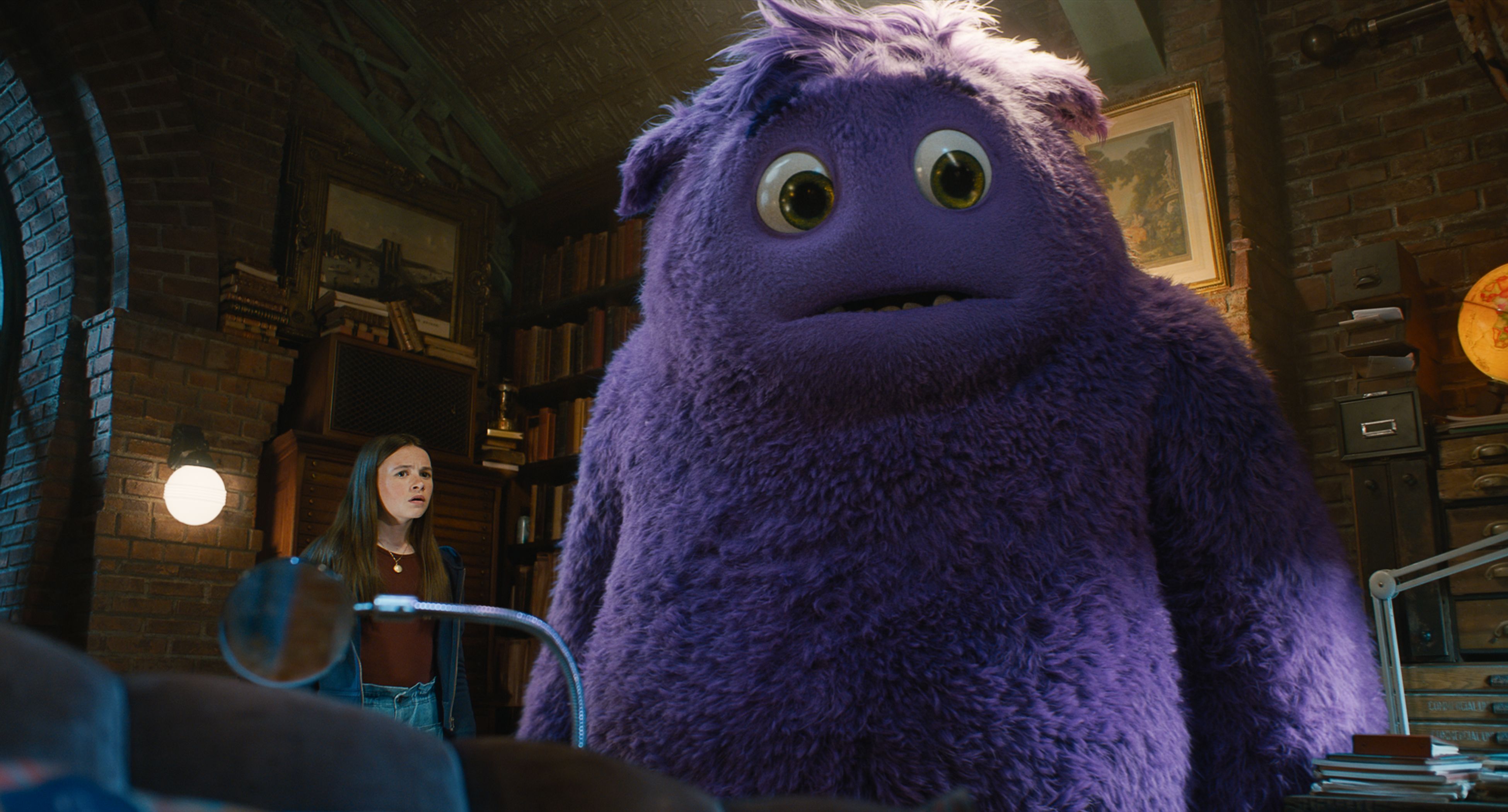
The IFs are a lot of fun, done in different styles, but all seamlessly integrated into the real world. They run the gamut from typical childhood icons like unicorns (Emily Blunt), an astronaut (George Clooney) and dragons (though personally, I would have liked more cats and dinosaurs) to the very out-there ones like a talking glass of ice (Bradley Cooper) and a giant, cuddly purple fluffy monster named Blue (his kid was color blind) played by Steve Carell. The voice work is a large part of selling the idea that these figments of one’s imagination are real, and there are more pretty big names lending their vocal cords to these IFs.
IF_VFX_005.jpg

Maestro Michael Giacchino's score is wonderfully playful, reminiscent of his work in Inside Out or Up, but also melancholy. Pairing the music with some very Speilberg-ish shots creates some sincerely moving moments.

Except for a trippy sequence when Bea goes to meet the other imaginary friends, the movie doesn’t fully dive into the wackiness of a child’s unfettered imagination. There was the potential to dial a few notches to Roger Rabbit or Free Guy levels of crazy, which would have been fun to see. As a result, many of the interesting characters in the ensemble don’t get as much screen time as they could have.

IF_25977R2.jpg

IF comes across as a fun romp of a kid's movie where you forget about your worries for a couple of hours, but it quickly reveals itself as a movie aimed at adults as well, perhaps even more so. It is a coming-of-age story, where Bea does some growing up; at the same time, it also reminds us grown-ups that it is more than ok to let that kid inside us out.

ADVERTISEMENT
.most-popular .layout-ratio{ padding-bottom: 79.13%; } @media (min-width: 768px) and (max-width: 1024px) { .widget-title { font-size: 15px !important; } }

{{ articles_filter_1561_widget.title }}

.most-popular .layout-ratio{ padding-bottom: 79.13%; } @media (min-width: 768px) and (max-width: 1024px) { .widget-title { font-size: 15px !important; } }

{{ articles_filter_1562_widget.title }}

.most-popular .layout-ratio{ padding-bottom: 79.13%; } @media (min-width: 768px) and (max-width: 1024px) { .widget-title { font-size: 15px !important; } }

{{ articles_filter_1563_widget.title }}

{{ articles_filter_1564_widget.title }}

.mb-article-details { position: relative; } .mb-article-details .article-body-preview, .mb-article-details .article-body-summary{ font-size: 17px; line-height: 30px; font-family: "Libre Caslon Text", serif; color: #000; } .mb-article-details .article-body-preview iframe , .mb-article-details .article-body-summary iframe{ width: 100%; margin: auto; } .read-more-background { background: linear-gradient(180deg, color(display-p3 1.000 1.000 1.000 / 0) 13.75%, color(display-p3 1.000 1.000 1.000 / 0.8) 30.79%, color(display-p3 1.000 1.000 1.000) 72.5%); position: absolute; height: 200px; width: 100%; bottom: 0; display: flex; justify-content: center; align-items: center; padding: 0; } .read-more-background a{ color: #000; } .read-more-btn { padding: 17px 45px; font-family: Inter; font-weight: 700; font-size: 18px; line-height: 16px; text-align: center; vertical-align: middle; border: 1px solid black; background-color: white; } .hidden { display: none; }
function initializeAllSwipers() { // Get all hidden inputs with cms_article_id document.querySelectorAll('[id^="cms_article_id_"]').forEach(function (input) { const cmsArticleId = input.value; const articleSelector = '#article-' + cmsArticleId + ' .body_images'; const swiperElement = document.querySelector(articleSelector); if (swiperElement && !swiperElement.classList.contains('swiper-initialized')) { new Swiper(articleSelector, { loop: true, pagination: false, navigation: { nextEl: '#article-' + cmsArticleId + ' .swiper-button-next', prevEl: '#article-' + cmsArticleId + ' .swiper-button-prev', }, }); } }); } setTimeout(initializeAllSwipers, 3000); const intersectionObserver = new IntersectionObserver( (entries) => { entries.forEach((entry) => { if (entry.isIntersecting) { const newUrl = entry.target.getAttribute("data-url"); if (newUrl) { history.pushState(null, null, newUrl); let article = entry.target; // Extract metadata const author = article.querySelector('.author-section').textContent.replace('By', '').trim(); const section = article.querySelector('.section-info ').textContent.replace(' ', ' '); const title = article.querySelector('.article-title h1').textContent; // Parse URL for Chartbeat path format const parsedUrl = new URL(newUrl, window.location.origin); const cleanUrl = parsedUrl.host + parsedUrl.pathname; // Update Chartbeat configuration if (typeof window._sf_async_config !== 'undefined') { window._sf_async_config.path = cleanUrl; window._sf_async_config.sections = section; window._sf_async_config.authors = author; } // Track virtual page view with Chartbeat if (typeof pSUPERFLY !== 'undefined' && typeof pSUPERFLY.virtualPage === 'function') { try { pSUPERFLY.virtualPage({ path: cleanUrl, title: title, sections: section, authors: author }); } catch (error) { console.error('ping error', error); } } // Optional: Update document title if (title && title !== document.title) { document.title = title; } } } }); }, { threshold: 0.1 } ); function showArticleBody(button) { const article = button.closest("article"); const summary = article.querySelector(".article-body-summary"); const body = article.querySelector(".article-body-preview"); const readMoreSection = article.querySelector(".read-more-background"); // Hide summary and read-more section summary.style.display = "none"; readMoreSection.style.display = "none"; // Show the full article body body.classList.remove("hidden"); } document.addEventListener("DOMContentLoaded", () => { let loadCount = 0; // Track how many times articles are loaded const offset = [1, 2, 3, 4, 5, 6, 7, 8, 9, 10]; // Offset values const currentUrl = window.location.pathname.substring(1); let isLoading = false; // Prevent multiple calls if (!currentUrl) { console.log("Current URL is invalid."); return; } const sentinel = document.getElementById("load-more-sentinel"); if (!sentinel) { console.log("Sentinel element not found."); return; } function isSentinelVisible() { const rect = sentinel.getBoundingClientRect(); return ( rect.top < window.innerHeight && rect.bottom >= 0 ); } function onScroll() { if (isLoading) return; if (isSentinelVisible()) { if (loadCount >= offset.length) { console.log("Maximum load attempts reached."); window.removeEventListener("scroll", onScroll); return; } isLoading = true; const currentOffset = offset[loadCount]; window.loadMoreItems().then(() => { let article = document.querySelector('#widget_1690 > div:nth-last-of-type(2) article'); intersectionObserver.observe(article) loadCount++; }).catch(error => { console.error("Error loading more items:", error); }).finally(() => { isLoading = false; }); } } window.addEventListener("scroll", onScroll); });

Sign up by email to receive news.