






 Philippines
National
Angat Dam may reach its minimum operating level in 10 days, PAGASA expert warns
Philippines
National
Angat Dam may reach its minimum operating level in 10 days, PAGASA expert warns
Angat Dam may reach its minimum operating level in 10 days, PAGASA expert warns


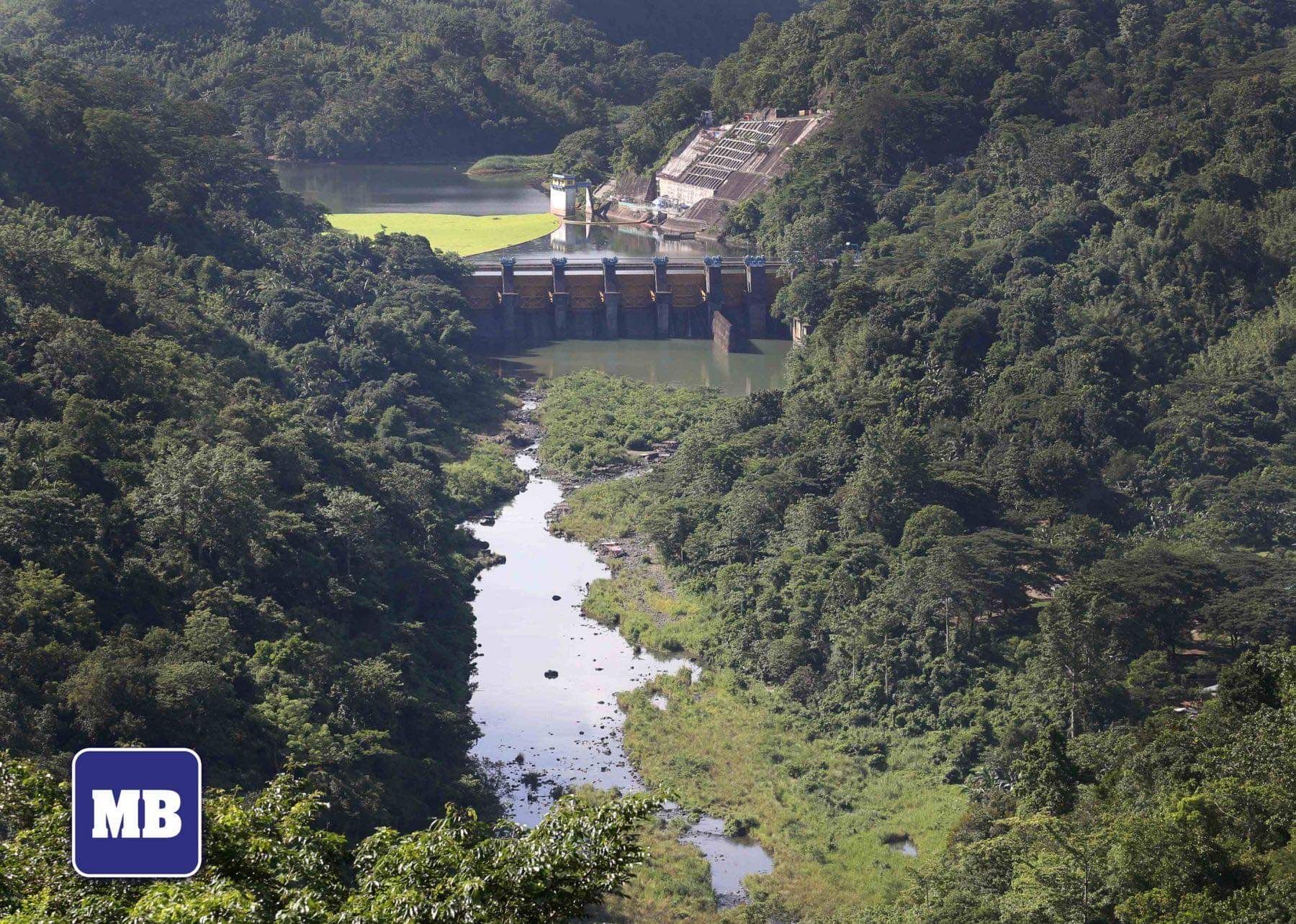
Due to low rainfall in the watershed, a hydrologist from the Philippine Atmospheric, Geophysical and Astronomical Services Administration (PAGASA) said Angat Dam in Bulacan is likely to reach its 180-meter minimum operating level in 10 days.
In an interview on Tuesday, May 14, PAGASA hydrologist Richard Orendain said Angat Dam’s water level has been decreasing at a daily average of 40 centimeters.
He explained that the watershed area receives minimal rainfall, resulting in a small inflow of water into Angat Dam, compared to its significant outflow of 75 cubic meters per second for domestic and irrigation purposes.
Given the current rate of water outflow and inflow, he said Angat Dam’s level is expected to reach 180 meters in 10 days.
Orendain noted that water is still available even after reaching the minimum operating level.
However, he asked the public to use water wisely to keep the Angat Dam from reaching its “critical” water level of 160 meters.
As of 6 a.m., the water level at Angat Dam was 182.63 meters, 0.37 meters lower than the previous day’s level of 183 meters.
Angat Dam is currently 27.37 meters below its normal high water level of 212 meters and approaching its minimum operating level of 180 meters.
July recovery period
Orendain projected that Angat Dam's water level could decrease to between 176 and 178 meters by the end of May.
He added that despite the anticipated onset of the rainy season in June, the water supply of Angat Dam is not expected to be replenished immediately.
Citing PAGASA's 20-year data, he said Angat Dam’s recovery period typically occurs around mid-July, coinciding with the heightened influence of the southwest monsoon, or “habagat,” or the passage of a tropical cyclone near or over its watershed.
Orendain also said rains from the northeast monsoon, or "amihan," and cyclones that form east of Luzon are more beneficial to Angat Dam, which is situated in the eastern part of the island.
PAGASA said one or two tropical cyclones may enter or form within the country’s area of responsibility in May, one or two in June, and two or three in July.
Meanwhile, the habagat season lasts from May to September, and the amihan season runs from October to March.