

ADVERTISEMENT

It's time for you to touch grass

Beware the dangers of a sedentary lifestyle

Published Apr 9, 2024 07:14 am

As you relax this summer season, it can be tempting just to kick back and relax indoors for the most part. After all, why leave the comfort of your room where you can watch whatever is on your TV? Tempting as it may be to live a couch potato life and avoid the heat outside, the cons of a sedentary lifestyle outweigh the coziness it brings. As the Internet puts it, it’s time for you to touch grass. Here are a few of the negative impacts of leading such a life and how to overcome them.
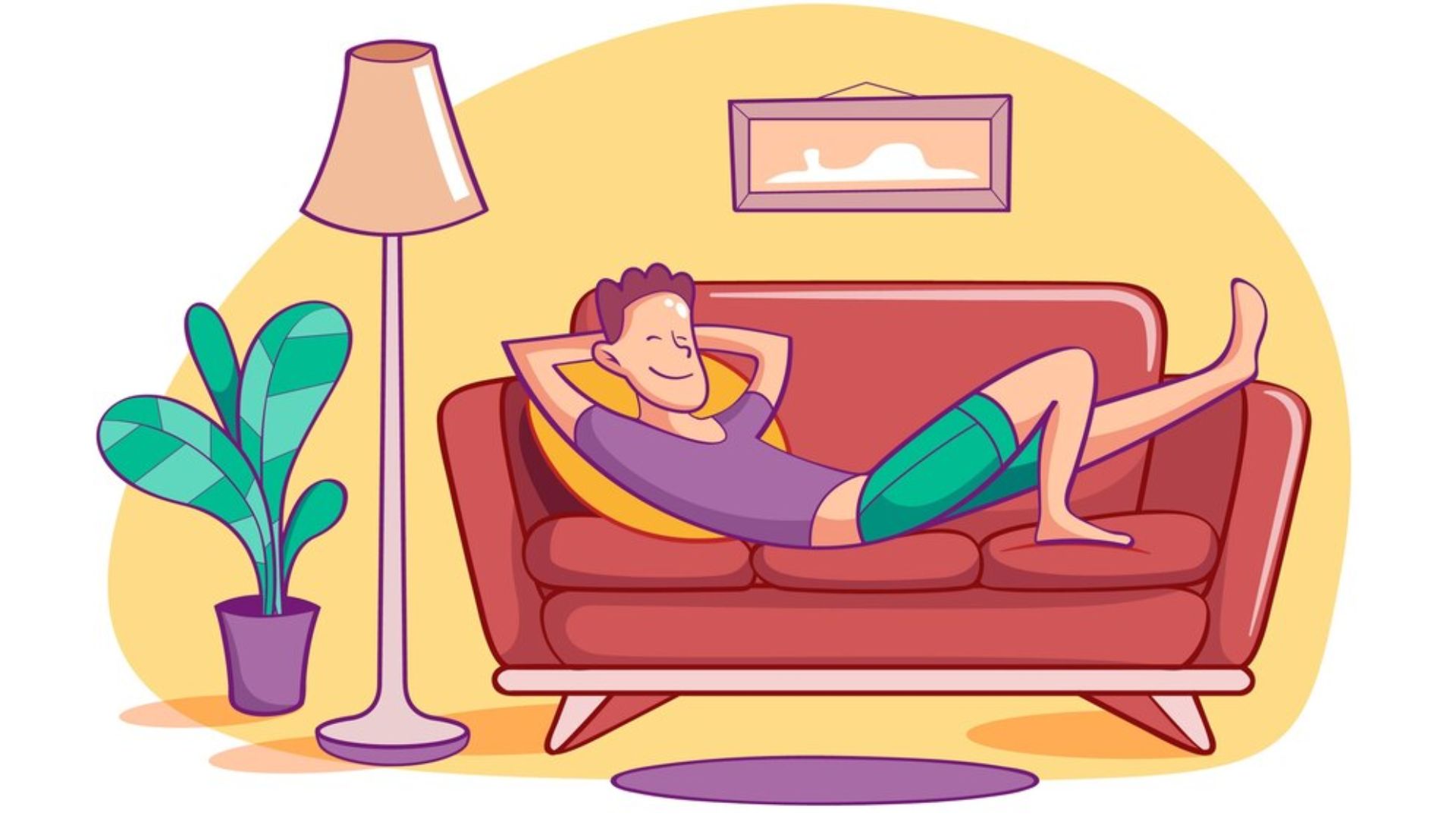
It’s time for you to touch grass
Image by freepik

Inactiveness leads to physical health issues

By staying put for prolonged periods, the body is more prone to a myriad of health issues, including obesity, cardiovascular disease, diabetes, and even certain types of cancer. This is largely due to the amount of energy stored in the body not being burned off. Excess energy is then stored in the body as fat. To avoid this altogether, it’s time to incorporate physical activities into your daily routine. 

One of the simplest ways to incorporate more movement into your daily routine is by making small changes to your environment. For instance, instead of taking the elevator, opt for the stairs whenever possible. Find some time to stand up, stretch, and move around instead of staying seated the entire time. Consider taking up a light exercise routine and allot at least 30 minutes a day to carry it out.

Psychological impact of staying indoors too long

Often it’s tempting to just shut yourself indoors and stay in your room when things get a bit overwhelming. But it could mean that there are some factors affecting you mentally. In Japan, the term hikikomori describes someone experiencing extreme social withdrawal. Usually, these are young folks who confine themselves at home and avoid social interaction or going outdoors for prolonged periods. Common reasons given by the recluse youth are often the burden of societal expectations. So what can we take from this? 

If there’s anything the Covid-19 pandemic taught us, we know that prolonged lockdowns can negatively affect our mental health. By staying in longer, we contribute to feelings of anxiety, depression, and stress. The best way to counter this is to find outdoor activities that can give you a reason to enjoy going outdoors. Find a physical activity like cycling, rock climbing, skating, or dancing with groups to lead you outside. Hit up your friends and set up a hangout at the mall, park, or museum.

Find meaning in your daily tasks

As overwhelming as things can get, there’s always a brighter side to it all. Think of these obstacles in your life as temporary setbacks. Perhaps try outdoor meditation or reading philosophy and spiritual books in a cafe to channel your mind into a better place. Enrich yourself by trying to learn something new every day. It can be as simple
as learning how to draw or solving a crossword puzzle. Keeping our mind active keeps it preoccupied and leads away from any negative thoughts that can cloud the mind when doing nothing. Just remember though, there’s no shame in seeking therapy if you start feeling overwhelmed with your thoughts and feelings. Talking to a psychologist can help you figure out how to go about things and possibly put you
in a better headspace.

Related Tags

Poch Eulalia MB Lifestyle Online Health and Wellbeing
ADVERTISEMENT
.most-popular .layout-ratio{ padding-bottom: 79.13%; } @media (min-width: 768px) and (max-width: 1024px) { .widget-title { font-size: 15px !important; } }

{{ articles_filter_1561_widget.title }}

.most-popular .layout-ratio{ padding-bottom: 79.13%; } @media (min-width: 768px) and (max-width: 1024px) { .widget-title { font-size: 15px !important; } }

{{ articles_filter_1562_widget.title }}

.most-popular .layout-ratio{ padding-bottom: 79.13%; } @media (min-width: 768px) and (max-width: 1024px) { .widget-title { font-size: 15px !important; } }

{{ articles_filter_1563_widget.title }}

{{ articles_filter_1564_widget.title }}

.mb-article-details { position: relative; } .mb-article-details .article-body-preview, .mb-article-details .article-body-summary{ font-size: 17px; line-height: 30px; font-family: "Libre Caslon Text", serif; color: #000; } .mb-article-details .article-body-preview iframe , .mb-article-details .article-body-summary iframe{ width: 100%; margin: auto; } .read-more-background { background: linear-gradient(180deg, color(display-p3 1.000 1.000 1.000 / 0) 13.75%, color(display-p3 1.000 1.000 1.000 / 0.8) 30.79%, color(display-p3 1.000 1.000 1.000) 72.5%); position: absolute; height: 200px; width: 100%; bottom: 0; display: flex; justify-content: center; align-items: center; padding: 0; } .read-more-background a{ color: #000; } .read-more-btn { padding: 17px 45px; font-family: Inter; font-weight: 700; font-size: 18px; line-height: 16px; text-align: center; vertical-align: middle; border: 1px solid black; background-color: white; } .hidden { display: none; }
function initializeAllSwipers() { // Get all hidden inputs with cms_article_id document.querySelectorAll('[id^="cms_article_id_"]').forEach(function (input) { const cmsArticleId = input.value; const articleSelector = '#article-' + cmsArticleId + ' .body_images'; const swiperElement = document.querySelector(articleSelector); if (swiperElement && !swiperElement.classList.contains('swiper-initialized')) { new Swiper(articleSelector, { loop: true, pagination: false, navigation: { nextEl: '#article-' + cmsArticleId + ' .swiper-button-next', prevEl: '#article-' + cmsArticleId + ' .swiper-button-prev', }, }); } }); } setTimeout(initializeAllSwipers, 3000); const intersectionObserver = new IntersectionObserver( (entries) => { entries.forEach((entry) => { if (entry.isIntersecting) { const newUrl = entry.target.getAttribute("data-url"); if (newUrl) { history.pushState(null, null, newUrl); let article = entry.target; // Extract metadata const author = article.querySelector('.author-section').textContent.replace('By', '').trim(); const section = article.querySelector('.section-info ').textContent.replace(' ', ' '); const title = article.querySelector('.article-title h1').textContent; // Parse URL for Chartbeat path format const parsedUrl = new URL(newUrl, window.location.origin); const cleanUrl = parsedUrl.host + parsedUrl.pathname; // Update Chartbeat configuration if (typeof window._sf_async_config !== 'undefined') { window._sf_async_config.path = cleanUrl; window._sf_async_config.sections = section; window._sf_async_config.authors = author; } // Track virtual page view with Chartbeat if (typeof pSUPERFLY !== 'undefined' && typeof pSUPERFLY.virtualPage === 'function') { try { pSUPERFLY.virtualPage({ path: cleanUrl, title: title, sections: section, authors: author }); } catch (error) { console.error('ping error', error); } } // Optional: Update document title if (title && title !== document.title) { document.title = title; } } } }); }, { threshold: 0.1 } ); function showArticleBody(button) { const article = button.closest("article"); const summary = article.querySelector(".article-body-summary"); const body = article.querySelector(".article-body-preview"); const readMoreSection = article.querySelector(".read-more-background"); // Hide summary and read-more section summary.style.display = "none"; readMoreSection.style.display = "none"; // Show the full article body body.classList.remove("hidden"); } document.addEventListener("DOMContentLoaded", () => { let loadCount = 0; // Track how many times articles are loaded const offset = [1, 2, 3, 4, 5, 6, 7, 8, 9, 10]; // Offset values const currentUrl = window.location.pathname.substring(1); let isLoading = false; // Prevent multiple calls if (!currentUrl) { console.log("Current URL is invalid."); return; } const sentinel = document.getElementById("load-more-sentinel"); if (!sentinel) { console.log("Sentinel element not found."); return; } function isSentinelVisible() { const rect = sentinel.getBoundingClientRect(); return ( rect.top < window.innerHeight && rect.bottom >= 0 ); } function onScroll() { if (isLoading) return; if (isSentinelVisible()) { if (loadCount >= offset.length) { console.log("Maximum load attempts reached."); window.removeEventListener("scroll", onScroll); return; } isLoading = true; const currentOffset = offset[loadCount]; window.loadMoreItems().then(() => { let article = document.querySelector('#widget_1690 > div:nth-last-of-type(2) article'); intersectionObserver.observe(article) loadCount++; }).catch(error => { console.error("Error loading more items:", error); }).finally(() => { isLoading = false; }); } } window.addEventListener("scroll", onScroll); });

Sign up by email to receive news.