

ADVERTISEMENT

Dealing with summer maladies

Ways to stay healthy when the heat is unbearable

Published Apr 9, 2024 07:16 am

Summer is fun but the scorching sun and heat is unbearable. To make matters worse, the many health problems that may even be fatal. As you and your loved ones plan your summer adventures, make sure you do not neglect your health. After all, it’s not fun to be sick while on vacation right?

Whenever the issue of heat and health comes up, the first thing that comes to mind is dehydration that could lead to heat stroke. However, this is not the only health concern during the summer months. We should also be vigilant about food poisoning.
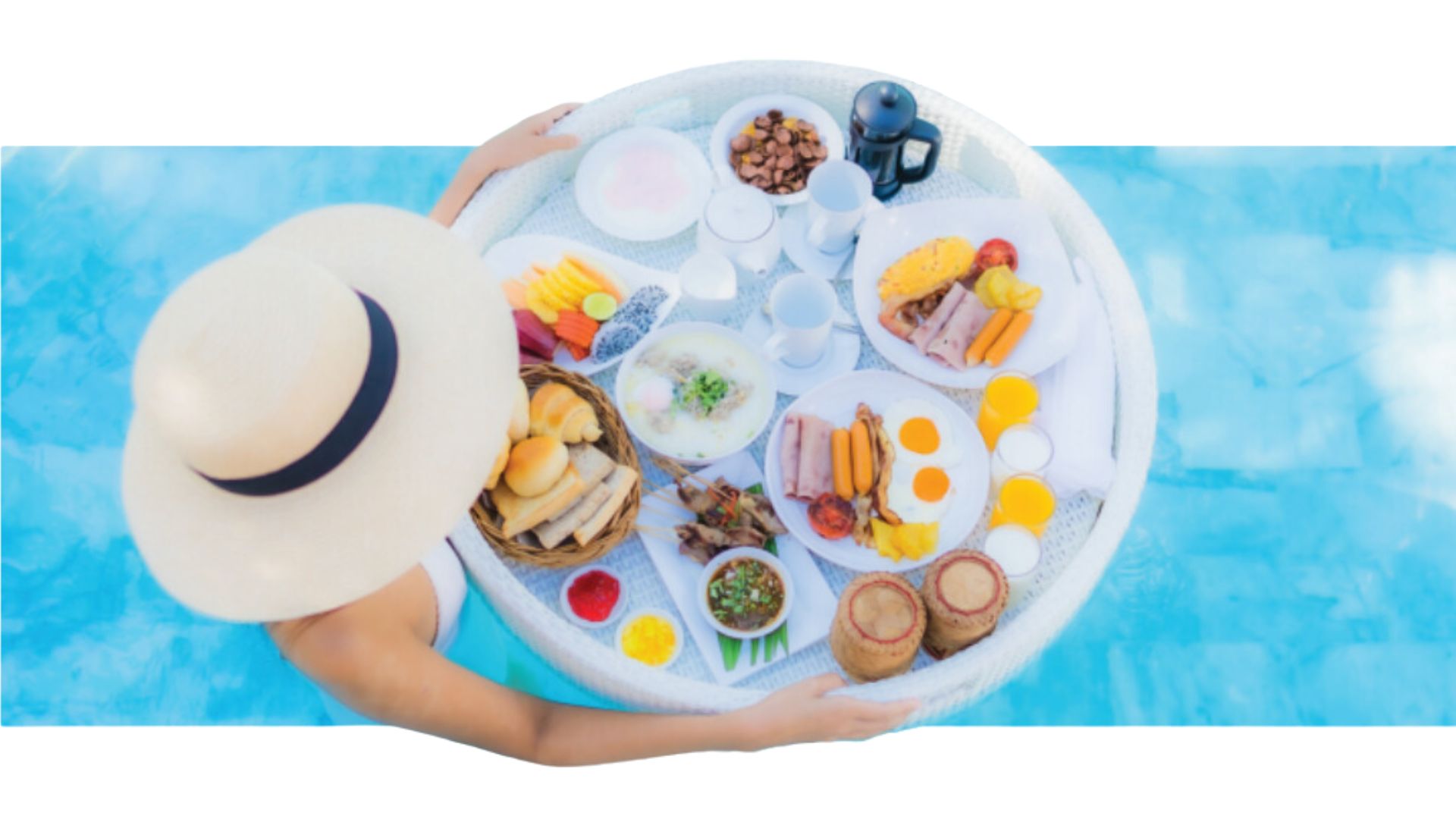
Dealing with summer maladies
Image by lifeforstock on Freepik

Stomach upset due to increased microbial activity on food that may seem unspoiled can happen to anyone. That is why it is important to store food at proper temperatures to prevent food poisoning. Keep cold foods cold and hot foods hot. Do not leave food on the table beyond two hours. Even if the food still tastes good does not have foul odor, harmful microorganisms like bacteria are already prolifrating on your food. This condition is harmful to everyone especially for those who have weakened immune system. If you're going on a picnic, make sure meat products and fresh produce are kept cold. Cook or reheat food before eating. Food poisoning can lead to loose bowel movement and vomiting thus, putting one at risk for dehydration.

Now let's talk about dehydration. This does not just occur with food poisoning. The body is made up of mostly water. It is used in most bodily processes to keep us alive. We lose water through urinating, sweating, and simply breathing. Indeed, the heat will make us perspire more. Therefore, if we don’t replenish our water stores, dehydration will happen.

Did you know that you are in danger when you don’t drink enough water when you fly? And the amount of water they serve during flight is never enough. I specifically mentioned water because if you drink alcoholic beverages, coffee, tea and
other drinks that contain caffeine like hot chocolate while inside an aircraft, you will still be dehydrated as these have diuretic effects. Alcohol and caffeine will make you urinate and lose more water. 

The air inside an airplane cabin is devoid of moisture and has very low level of humidity. This dry air situation has dehydrating effects. Suffice to say, it’s not just the heat that decreases our hydration levels, air travel does that too. This summer or whenever you travel regardless of the season, remember to always bring enough water inside the aircraft. It helps to buy water before you board and also to bring an empty water bottle to be filled before boarding and refilled inside the aircraft. This may be a hassle to most travelers but the benefits of keeping well-hydrated during a long-haul flight will not only prevent you from getting sick that could range from colds to life threatening ones such as electrolyte imbalances. It will also keep your skin supple and beautiful. Furthermore, you won’t feel as fatigued after enduring long hours of waiting in the airport and being cramped inside the plane.

The dehydrating effects of heat can affect your concentration, it can cause headache
and skin dryness. Left unmanaged, these symptoms could get worse. If you get a headache or your skin starts form rashes, immediately hydrate with plain water. Make it a habit to always have water within your reach. Don’t wait until your throat is parched before you drink water. When you get to that point of being thirsty, it means you are already dehydrated. Another way to check your hydration level is through the color of your urine. A good color indicator is light yellow or clear colored urine. Dark colored urine is a sign of dehydration.

We may not have the luxury of having air conditioning 24/7 but we can stay healthy amid the scorching heat of summer by keeping hydrated with water throughout the day. 

[email protected]

Related Tags

cheshire que MB Lifestyle Online Health and Wellbeing
ADVERTISEMENT
.most-popular .layout-ratio{ padding-bottom: 79.13%; } @media (min-width: 768px) and (max-width: 1024px) { .widget-title { font-size: 15px !important; } }

{{ articles_filter_1561_widget.title }}

.most-popular .layout-ratio{ padding-bottom: 79.13%; } @media (min-width: 768px) and (max-width: 1024px) { .widget-title { font-size: 15px !important; } }

{{ articles_filter_1562_widget.title }}

.most-popular .layout-ratio{ padding-bottom: 79.13%; } @media (min-width: 768px) and (max-width: 1024px) { .widget-title { font-size: 15px !important; } }

{{ articles_filter_1563_widget.title }}

{{ articles_filter_1564_widget.title }}

.mb-article-details { position: relative; } .mb-article-details .article-body-preview, .mb-article-details .article-body-summary{ font-size: 17px; line-height: 30px; font-family: "Libre Caslon Text", serif; color: #000; } .mb-article-details .article-body-preview iframe , .mb-article-details .article-body-summary iframe{ width: 100%; margin: auto; } .read-more-background { background: linear-gradient(180deg, color(display-p3 1.000 1.000 1.000 / 0) 13.75%, color(display-p3 1.000 1.000 1.000 / 0.8) 30.79%, color(display-p3 1.000 1.000 1.000) 72.5%); position: absolute; height: 200px; width: 100%; bottom: 0; display: flex; justify-content: center; align-items: center; padding: 0; } .read-more-background a{ color: #000; } .read-more-btn { padding: 17px 45px; font-family: Inter; font-weight: 700; font-size: 18px; line-height: 16px; text-align: center; vertical-align: middle; border: 1px solid black; background-color: white; } .hidden { display: none; }
function initializeAllSwipers() { // Get all hidden inputs with cms_article_id document.querySelectorAll('[id^="cms_article_id_"]').forEach(function (input) { const cmsArticleId = input.value; const articleSelector = '#article-' + cmsArticleId + ' .body_images'; const swiperElement = document.querySelector(articleSelector); if (swiperElement && !swiperElement.classList.contains('swiper-initialized')) { new Swiper(articleSelector, { loop: true, pagination: false, navigation: { nextEl: '#article-' + cmsArticleId + ' .swiper-button-next', prevEl: '#article-' + cmsArticleId + ' .swiper-button-prev', }, }); } }); } setTimeout(initializeAllSwipers, 3000); const intersectionObserver = new IntersectionObserver( (entries) => { entries.forEach((entry) => { if (entry.isIntersecting) { const newUrl = entry.target.getAttribute("data-url"); if (newUrl) { history.pushState(null, null, newUrl); let article = entry.target; // Extract metadata const author = article.querySelector('.author-section').textContent.replace('By', '').trim(); const section = article.querySelector('.section-info ').textContent.replace(' ', ' '); const title = article.querySelector('.article-title h1').textContent; // Parse URL for Chartbeat path format const parsedUrl = new URL(newUrl, window.location.origin); const cleanUrl = parsedUrl.host + parsedUrl.pathname; // Update Chartbeat configuration if (typeof window._sf_async_config !== 'undefined') { window._sf_async_config.path = cleanUrl; window._sf_async_config.sections = section; window._sf_async_config.authors = author; } // Track virtual page view with Chartbeat if (typeof pSUPERFLY !== 'undefined' && typeof pSUPERFLY.virtualPage === 'function') { try { pSUPERFLY.virtualPage({ path: cleanUrl, title: title, sections: section, authors: author }); } catch (error) { console.error('ping error', error); } } // Optional: Update document title if (title && title !== document.title) { document.title = title; } } } }); }, { threshold: 0.1 } ); function showArticleBody(button) { const article = button.closest("article"); const summary = article.querySelector(".article-body-summary"); const body = article.querySelector(".article-body-preview"); const readMoreSection = article.querySelector(".read-more-background"); // Hide summary and read-more section summary.style.display = "none"; readMoreSection.style.display = "none"; // Show the full article body body.classList.remove("hidden"); } document.addEventListener("DOMContentLoaded", () => { let loadCount = 0; // Track how many times articles are loaded const offset = [1, 2, 3, 4, 5, 6, 7, 8, 9, 10]; // Offset values const currentUrl = window.location.pathname.substring(1); let isLoading = false; // Prevent multiple calls if (!currentUrl) { console.log("Current URL is invalid."); return; } const sentinel = document.getElementById("load-more-sentinel"); if (!sentinel) { console.log("Sentinel element not found."); return; } function isSentinelVisible() { const rect = sentinel.getBoundingClientRect(); return ( rect.top < window.innerHeight && rect.bottom >= 0 ); } function onScroll() { if (isLoading) return; if (isSentinelVisible()) { if (loadCount >= offset.length) { console.log("Maximum load attempts reached."); window.removeEventListener("scroll", onScroll); return; } isLoading = true; const currentOffset = offset[loadCount]; window.loadMoreItems().then(() => { let article = document.querySelector('#widget_1690 > div:nth-last-of-type(2) article'); intersectionObserver.observe(article) loadCount++; }).catch(error => { console.error("Error loading more items:", error); }).finally(() => { isLoading = false; }); } } window.addEventListener("scroll", onScroll); });

Sign up by email to receive news.