






 Lifestyle
Health and Wellness
Type 2 diabetes remission is possible with very low-calorie diets, says study
Lifestyle
Health and Wellness
Type 2 diabetes remission is possible with very low-calorie diets, says study
Type 2 diabetes remission is possible with very low-calorie diets, says study
While there is no cure for diabetes, the disease can be controlled and can go into remission


While there is no cure for diabetes, the disease can be controlled and can go into remission.
“We have seen encouraging results when individuals with type 2 diabetes participate in a multifaceted weight management program,” said Osama Hamdy, MD, PhD, Joslin Diabetes Center’s Medical Director, Obesity Clinical Program and Director of Inpatient Diabetes Program, during an Abbott symposium at the American Diabetes Association’s 83rd Scientific Session. “Following a very low-calorie diet and time-restricted fasting for 16 hours helps individuals with type 2 diabetes lose weight, which ultimately can induce diabetes remission.”
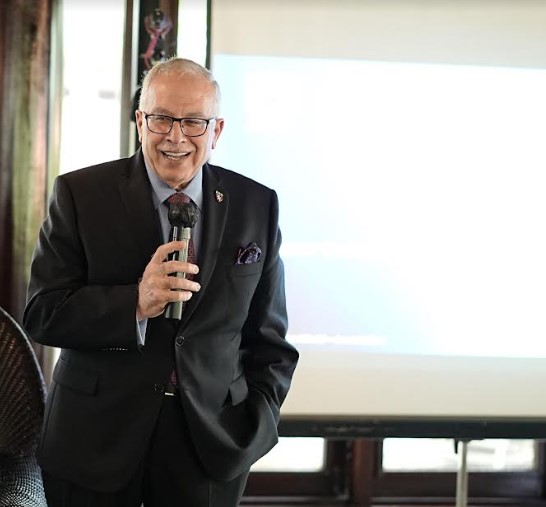
Dr. Hamdy presented the Diabetes Remission Outcome Protocol (DROP), which used this nutrition intervention for 12 weeks—combined with strength training—followed by nine months of a low-calorie diet and exercise. Individuals with diabetes for less than five years had remission from diabetes.
In one study, one year after individuals followed a very low-calorie diet as part of a weight management intervention, almost half were in remission of type 2 diabetes. At two years, nearly one in three remained in remission. Because of this emerging data, very low-calorie diets using meal replacements, including diabetes-specific nutrition formulas, are recommended by diabetes medical societies like Diabetes Canada.
When diabetes goes into remission, the body does not show any signs of diabetes, although the disease is technically still present.
Dr. Hamdy added, “Low-calorie diet can reverse diabetes in a very efficient way. Diabetes is mostly related to certain eating habits, especially with carbohydrates. We must cut down on carbohydrates by 40 to 45 percent. Have more fiber in your diet because it slows the absorption of sugar. Choose good oils such as canola, avocado, and olive oils. Eat more fatty fish because they are rich in omega-3. Diabetic Specific Formula can replace a meal or snack. These can help you lose weight and control your diabetes.”
While very-low-calorie diets may work for some individuals, others with diabetes may benefit from personalized medical nutrition therapy to manage their condition.

“Speaking with a healthcare professional can help individuals develop a nutrition plan that is customized to their needs and lifestyle, but nutrition recommendations can be hard to customize to specific cultures or lifestyles,” said Jose Rodolfo V. Dimaano, Jr. MD, MD, Area Medical Director for Pacific Asia at Abbott. “For this reason, Abbott and an international group of experts developed the transcultural Diabetes Nutrition Algorithm (or tDNA)—a global diabetes nutrition care model that translates nutrition recommendations based on cultural differences in diets and lifestyle to improve diabetes management and outcomes.”
According to Dr. Dimaano, “More than four million Filipino adults are now suffering from diabetes and its complications, and the prevalence of this chronic disease is expected to increase by 30 percent in 2030. Two out of three Filipinos are not diagnosed but may be at risk of having diabetes.” He also added a projected 56 percent growth in diabetic-related expenses by 2045.
Dr. Dimaano also mentioned the following key components in diabetes self-management:
- Nutritional or dietary modification: What we eat affects the body’s metabolism and the manifestation of diabetes. Eating healthy meals and snacks, and including a Diabetic Specific Formula, helps in controlling diabetes.
- Physical Activity: A regular exercise routine should include strength resistance training to maintain muscles, cardiovascular exercises and endurance training, and body stretching. Physical activities have many benefits, not only in diabetes management but also in maintaining overall health.
- Taking oral medication: Whether it is insulin or anti-diabetes drugs, medication should be taken regularly upon consultation with a doctor.
- Glucose monitoring: Continuous glucose monitoring can provide information that could help patients with diabetes better manage their condition.